Ductwork running clean
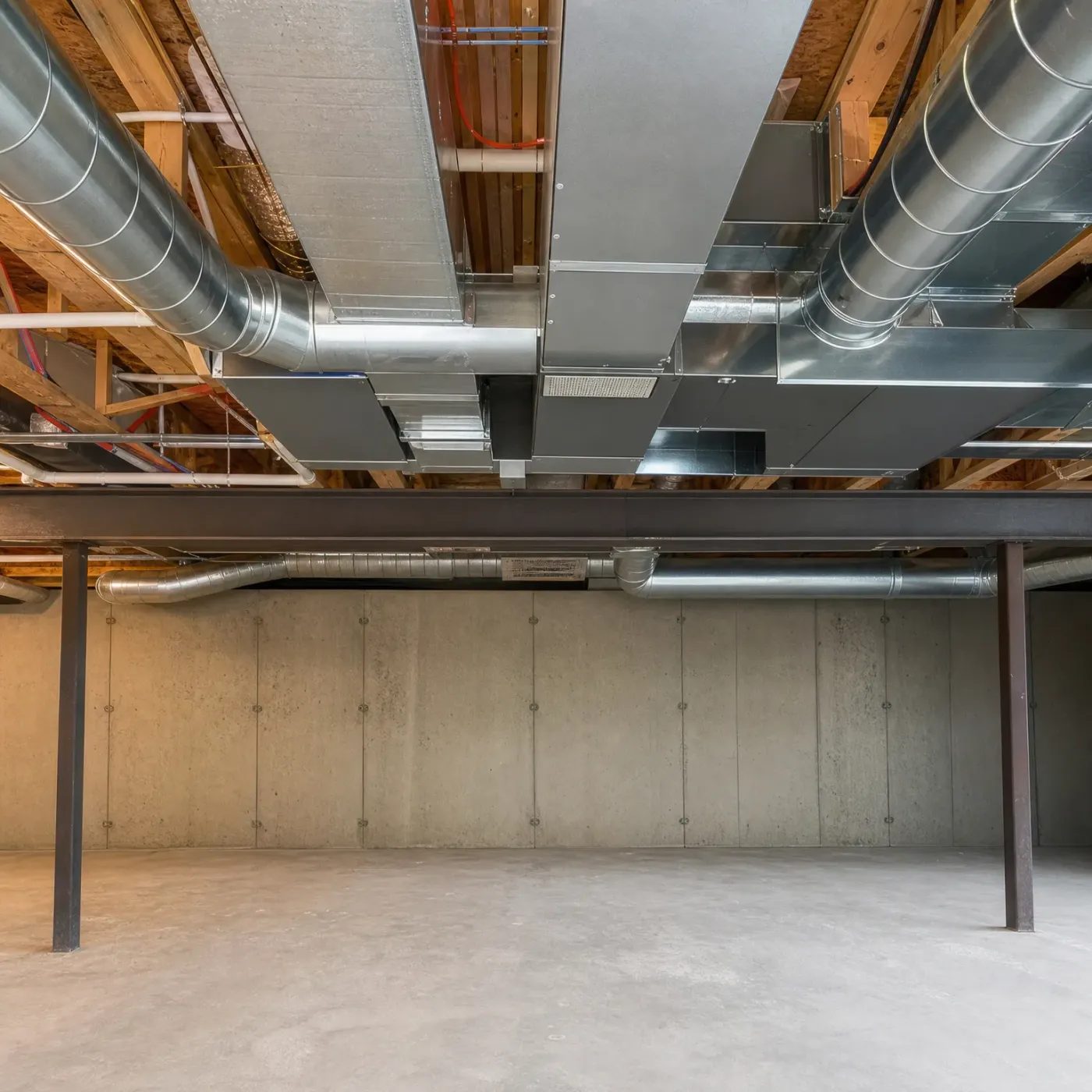
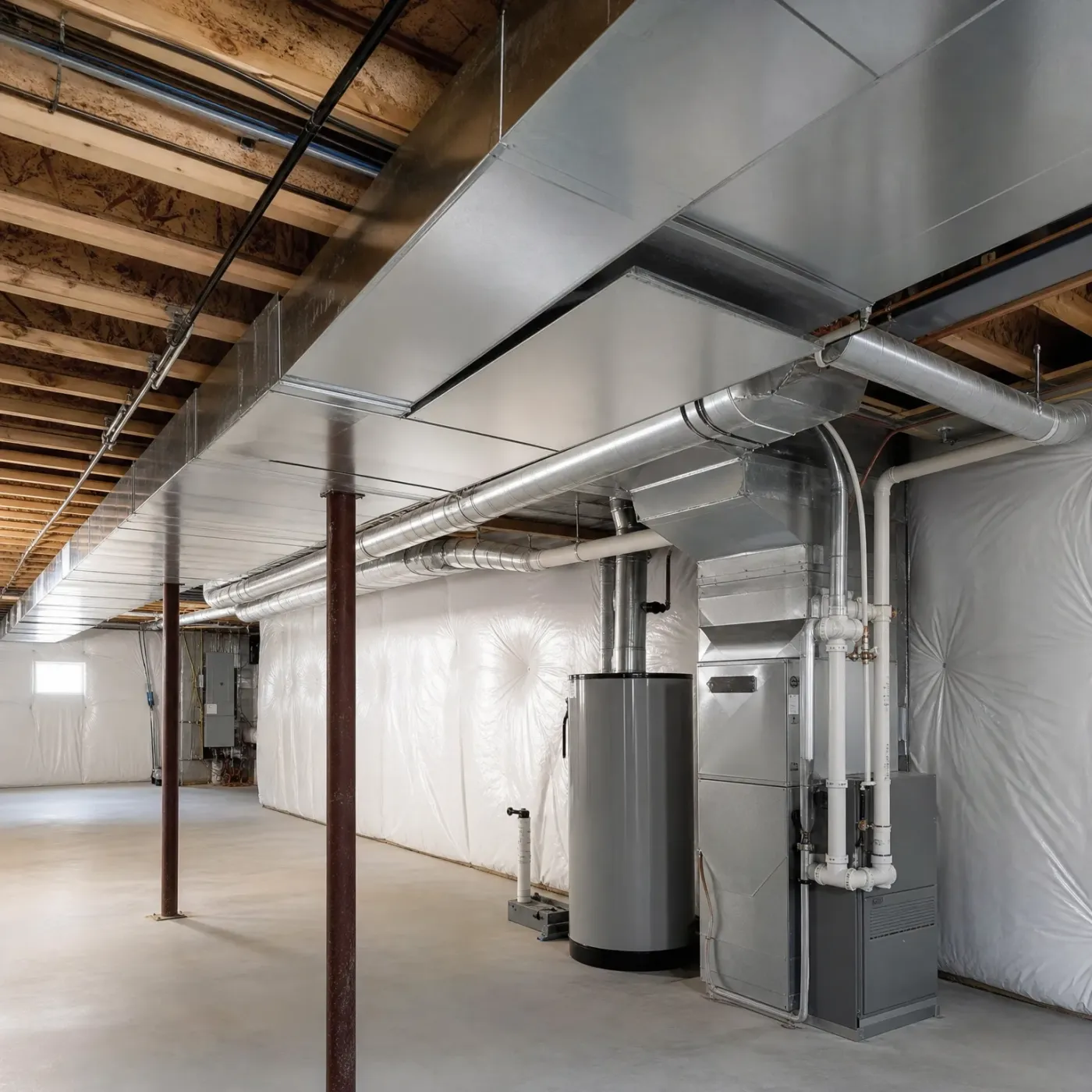
This is what a duct system looks like when it's not the problem. Metal is clean, joints are sealed tight, and the floor below is clear. Air moves through without picking up dust along the way.
Dust coming back out of your vents within a day or two of cleaning, a musty smell when the system kicks on, or more dust settling on furniture than you remember are the clearest signs your ducts need cleaning. Madison County summers run long and sticky, and a system that runs for months straight pulls dust, pollen and the occasional bit of insulation through the ducts and pushes it right back into your rooms. If anyone in the house has started sneezing more or waking up congested once the AC or heat is running most of the day, that's worth paying attention to. Visible dust around the vent covers themselves, or a flashlight check showing buildup just inside the duct, means it has gotten past what the filter alone can catch. None of this means something is broken. It means the air moving through your home all summer and all winter is carrying more than it should, and cleaning the ducts is what clears it out.




A register that goes black within days of dusting isn't about a dirty house. It means the return duct is pulling dust back through the system and spreading it right back out. A musty smell that only shows up when the blower kicks on, then fades, is moisture sitting somewhere in the duct run, not something floating in the air itself. If one or two rooms stay dusty no matter what you do while the rest of the house is fine, check that run for a leak or a joint that's come apart, feeding in attic or crawlspace air. A filter that's clogged again just a week or two after you changed it means the ducts are shedding debris faster than the filter can keep up with. Weak airflow at a single vent, rather than the whole house, points to a blockage in that one run. And if the dust on your furniture has grit or fibers in it, that's not coming from the room. It's coming out of the ductwork.
Every house shows duct problems a little differently, depending on the layout and who lives there. One room, usually the one farthest from the air handler, often collects more dust than the rest of the house because it sits at the end of the duct run where buildup settles last. Pay attention to how you feel at home versus away. If anyone in the house deals with allergies or asthma and symptoms ease up when they're out of the house, then come back once the blower kicks on, that's the ducts telling you something. Pets change the timeline too. Hair and dander get pulled into the return and circulated right back out, so a house with a dog or cat can show buildup sooner than one without. Watch how fast surfaces get dusty again after you clean them. If window sills and furniture need wiping down within a couple of days, and the filter is doing its job, the dust has to be coming from somewhere else in the system. Recent work in the attic or crawlspace is worth thinking back on too. Ducts run through both spaces, and work done near them can knock insulation or debris loose into the line, which shows up as weaker airflow or new noise in a room that was fine before. And if the summer electric bill climbed with the thermostat set no differently than last year, restricted ducts making the system push harder is one explanation worth ruling out.
Half the homes here were built by 1992
Half the homes in Madison County were built in 1992 or earlier, so a lot of duct systems here have run for three decades without ever being cleaned out.
Heat runs October through April
Heat runs October through April here, close to seven months, pushing air through the same ducts every day that buildup sits in.
Cooling runs May through September
Cooling runs May through September, so the other five months push just as much air through those same runs, year after year.
ACS 2020-2024 · NOAA nClimDiv 1991-2020

This is what a duct system looks like when it's not the problem. Metal is clean, joints are sealed tight, and the floor below is clear. Air moves through without picking up dust along the way.

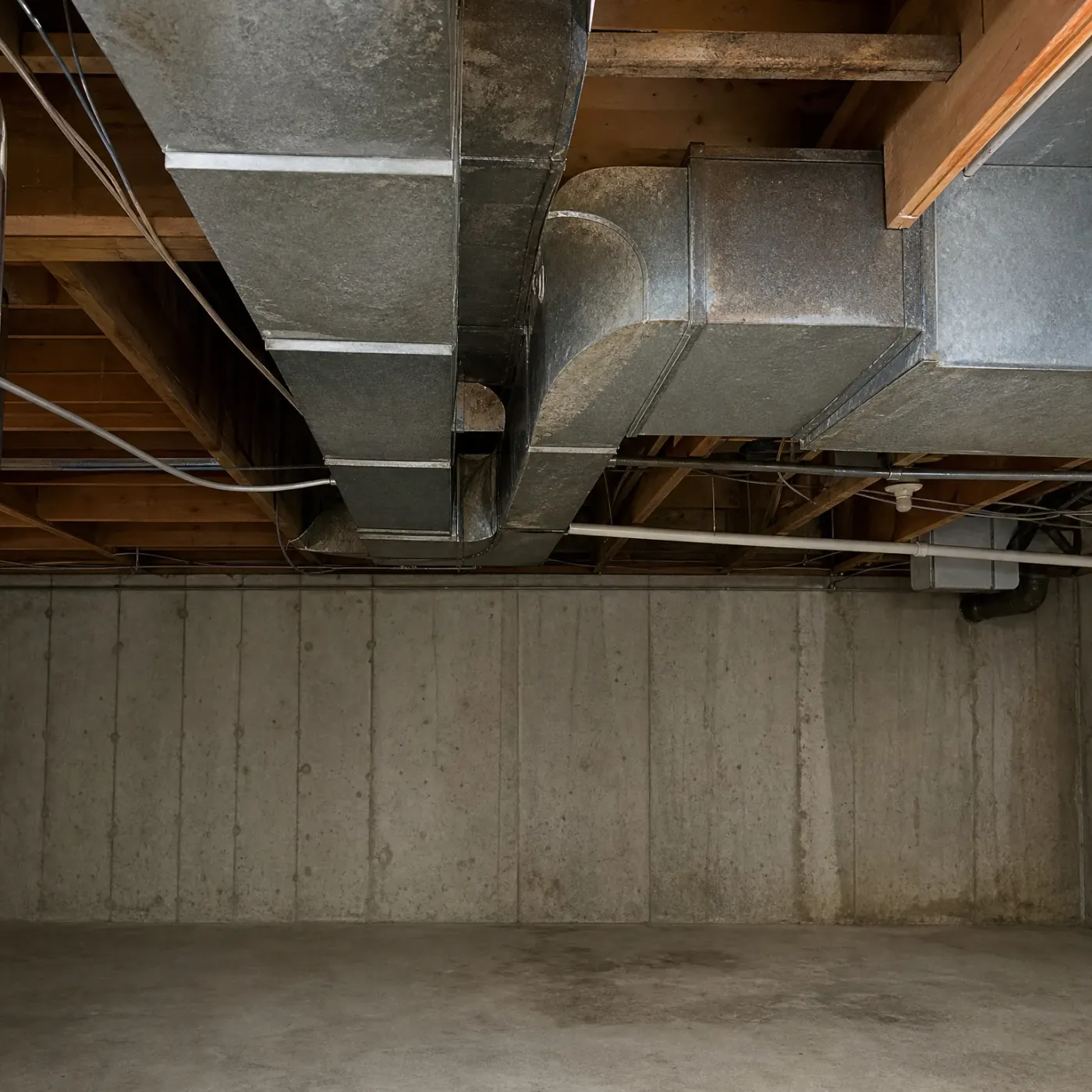
Dust has settled along the seams and sits on the joists above. Every time the blower kicks on, that gets pulled loose and pushed into the rooms it feeds. A duct run like this is usually overdue.


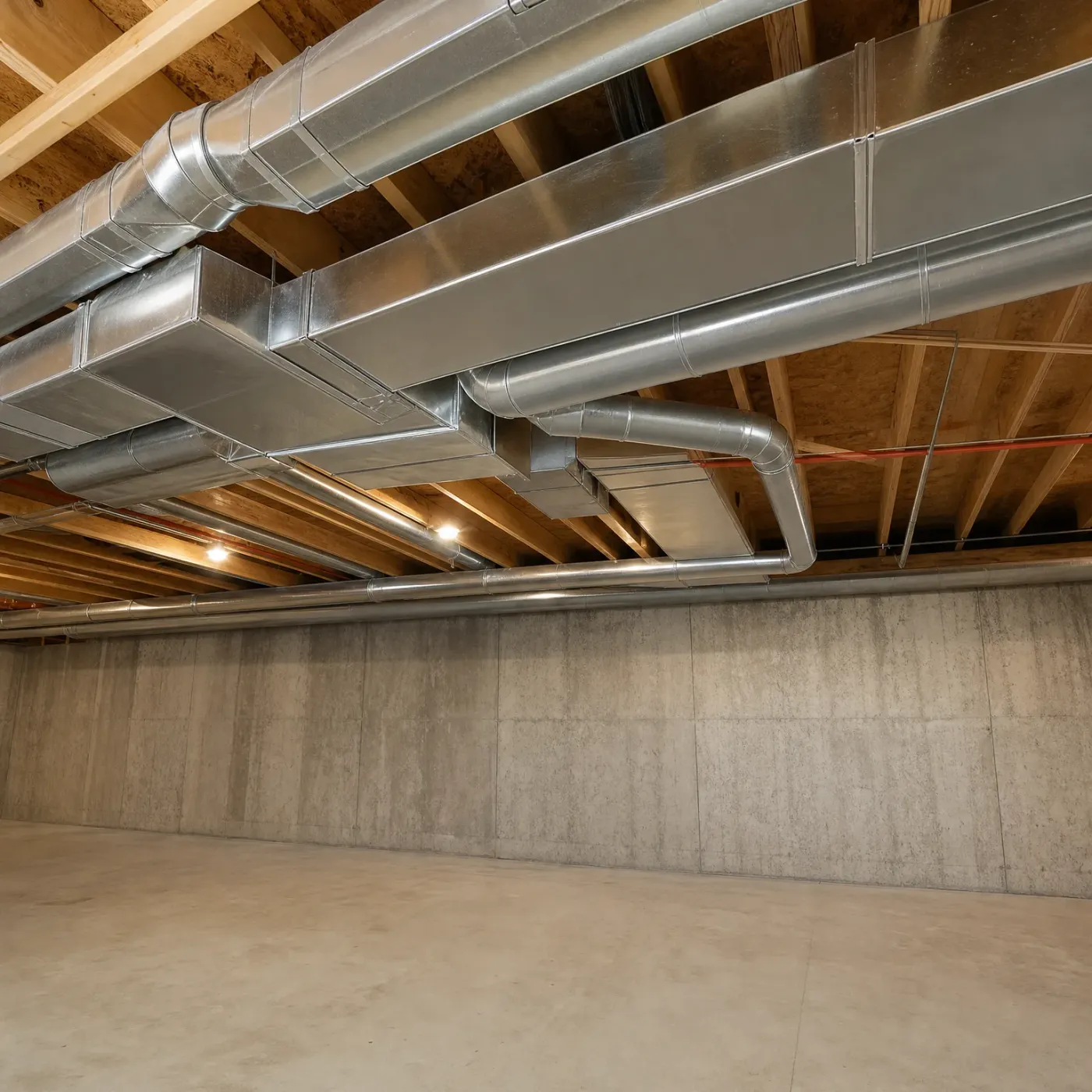
This duct run has clean metal and tight joints, with nothing collecting along the seams. Air moving through picks up nothing extra on the way to the register. A system that looks like this isn't behind the dust you're finding on furniture.
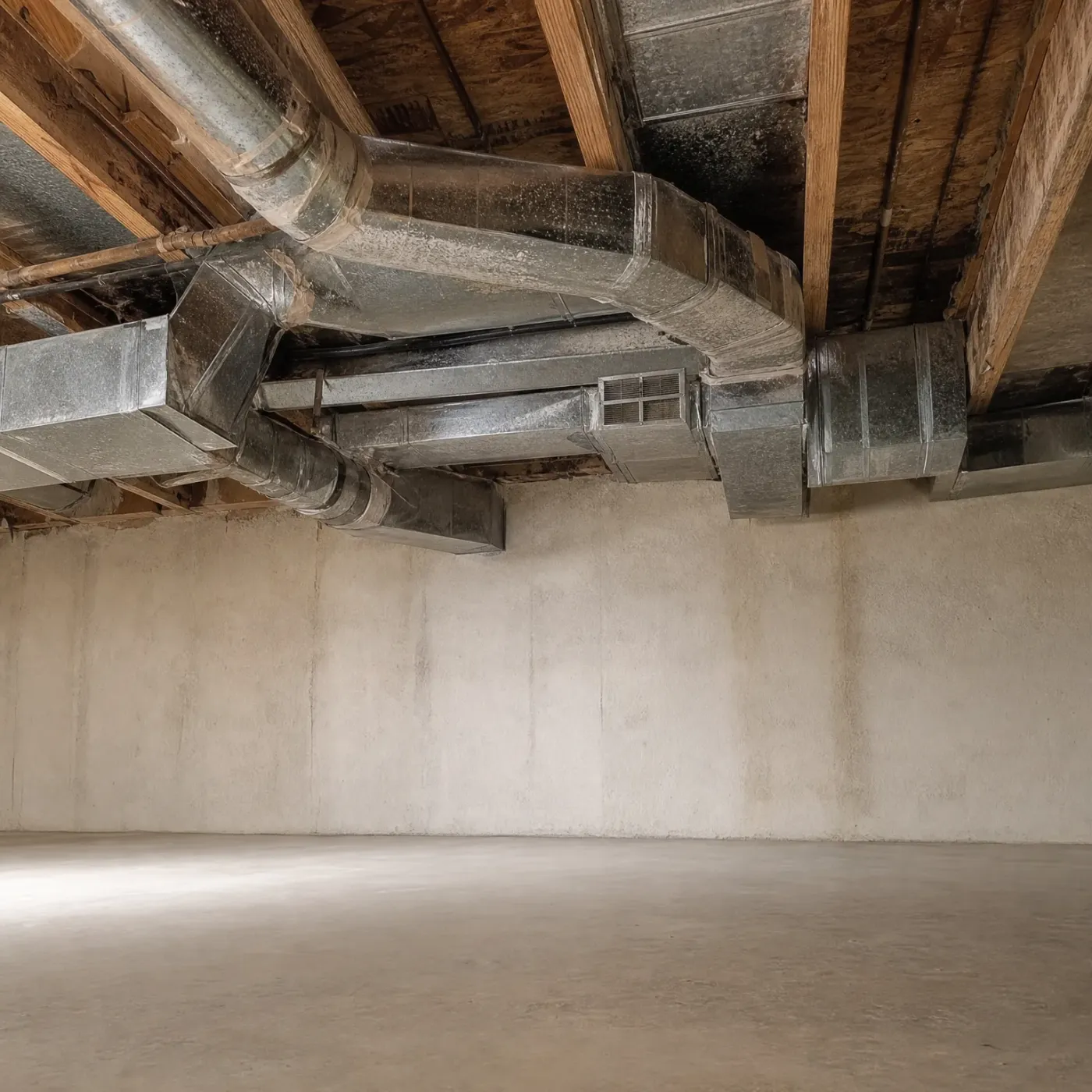
Dust and dark buildup line the seams and the joists above this run. Every cubic foot of air moving through carries some of that into the room it feeds. This is what's usually behind registers that go black again within days of dusting.


Explain the job once and skip repeating it on every call.
Send it once and finding someone is no longer on you.
There's no charge for the request.
At 12.48 cents a kilowatt-hour, running the blower longer than it needs to doesn't hit hard the way it might elsewhere. But a blower working against clogged ducts still pushes air less efficiently, and that shows up as more dust settling faster, not just a bigger bill.
EIA-861 2025
Dust and debris settle inside the ducts over months of regular use.
The blower pulls air across that buildup every time the system runs.
Loosened particles ride the airflow straight out through the supply registers.
A technician's brush and vacuum agitate buildup loose from the duct walls.
You dust the shelves on Saturday and by Wednesday there's a film on them again. The vents look darker around the edges than the wall they're mounted on. Somebody in the house is stuffed up more mornings than not, or reaching for the inhaler more than they used to, and it eases up when they're away for a few days. A room at the back of the house, maybe a bedroom nobody uses much, collects dust faster than the rest even though the door stays shut. None of this is about how often you clean. With Huntsville summers keeping the blower running for months at a stretch, ducts that are feeding this much dust into the air are also making that system work harder than it should to keep the house comfortable.
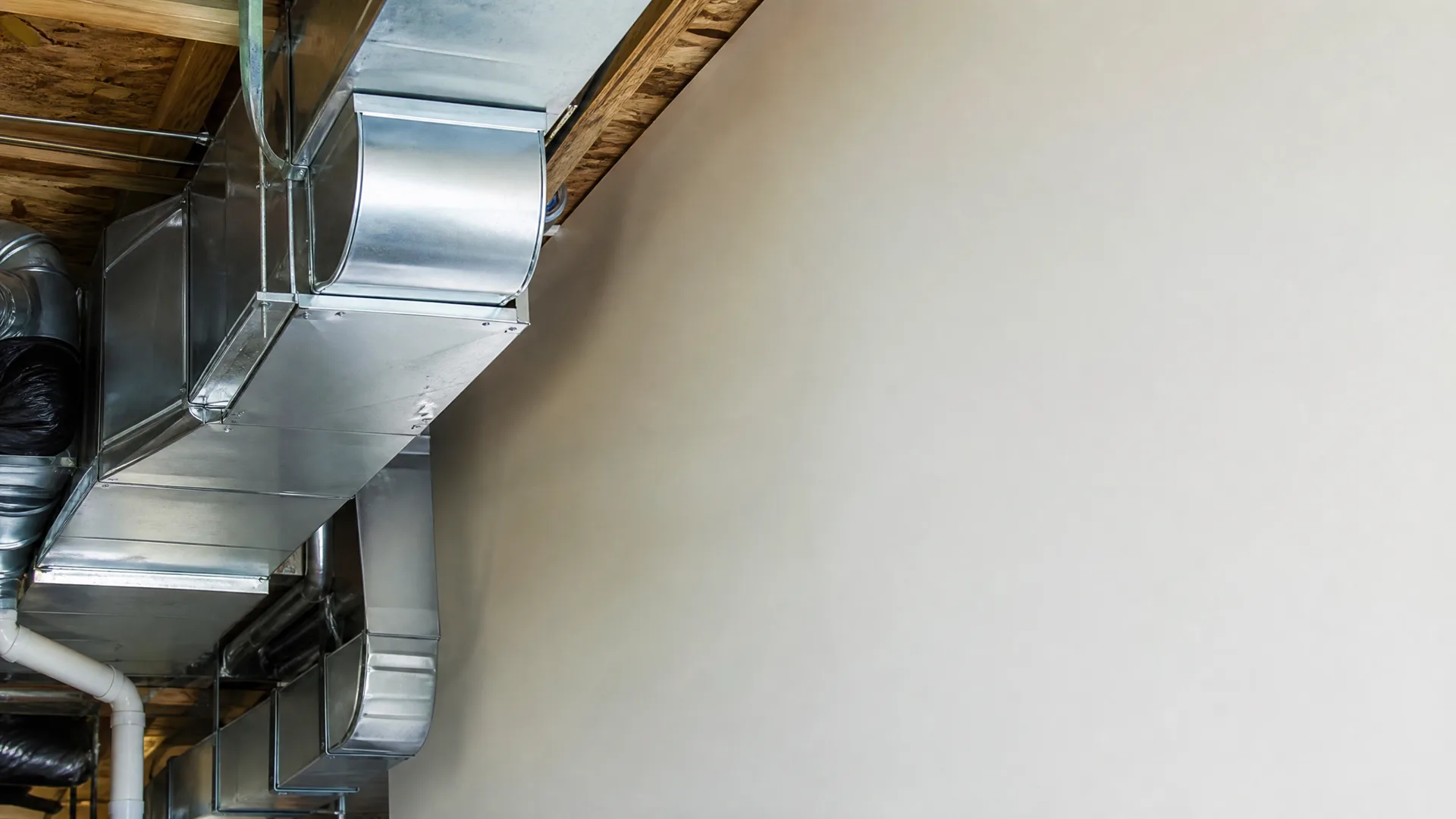
A filter changed every month or two, vents vacuumed when the dust shows, and a system that gets looked at before something breaks. Ducts in a house like this get dirty slower, and when cleaning does come up, it's upkeep, not a fix for something that's already affecting the air. Catching it early usually means a shorter list of problems for whoever comes out to look.
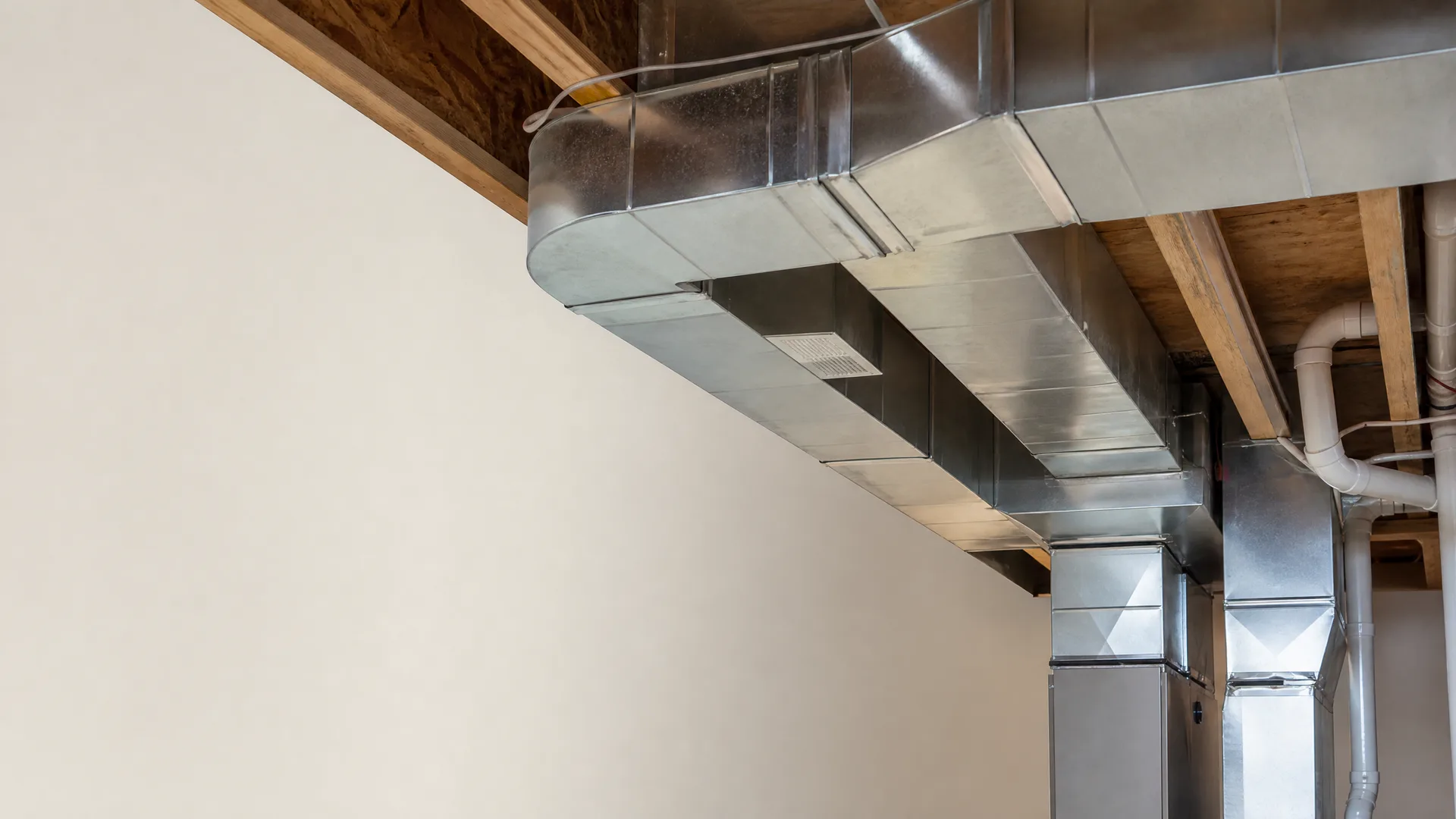
Nothing gets done until the dust on the furniture or the smell from the vents is hard to ignore. By then the buildup has had months, sometimes years, to pack into the duct runs, and pulling it back out takes more work than it would have earlier. Waiting doesn't cost you anything while you wait, but it does mean a bigger job once you finally call someone.

Dust coming back fast, a musty smell at startup, a room that collects more than the rest of the house. Any one of those is reason enough to get your ducts looked at. A house built before 1992, which is half of Madison County, has had plenty of time to build up what you're seeing now.
Finding someone to do this right still means sorting through names, calling around, and explaining the same thing to each one before you get a quote worth comparing. Send the form on this page and that part is done. You'll be matched with a contractor who handles duct cleaning, and the search ends there.


It's off your list after this