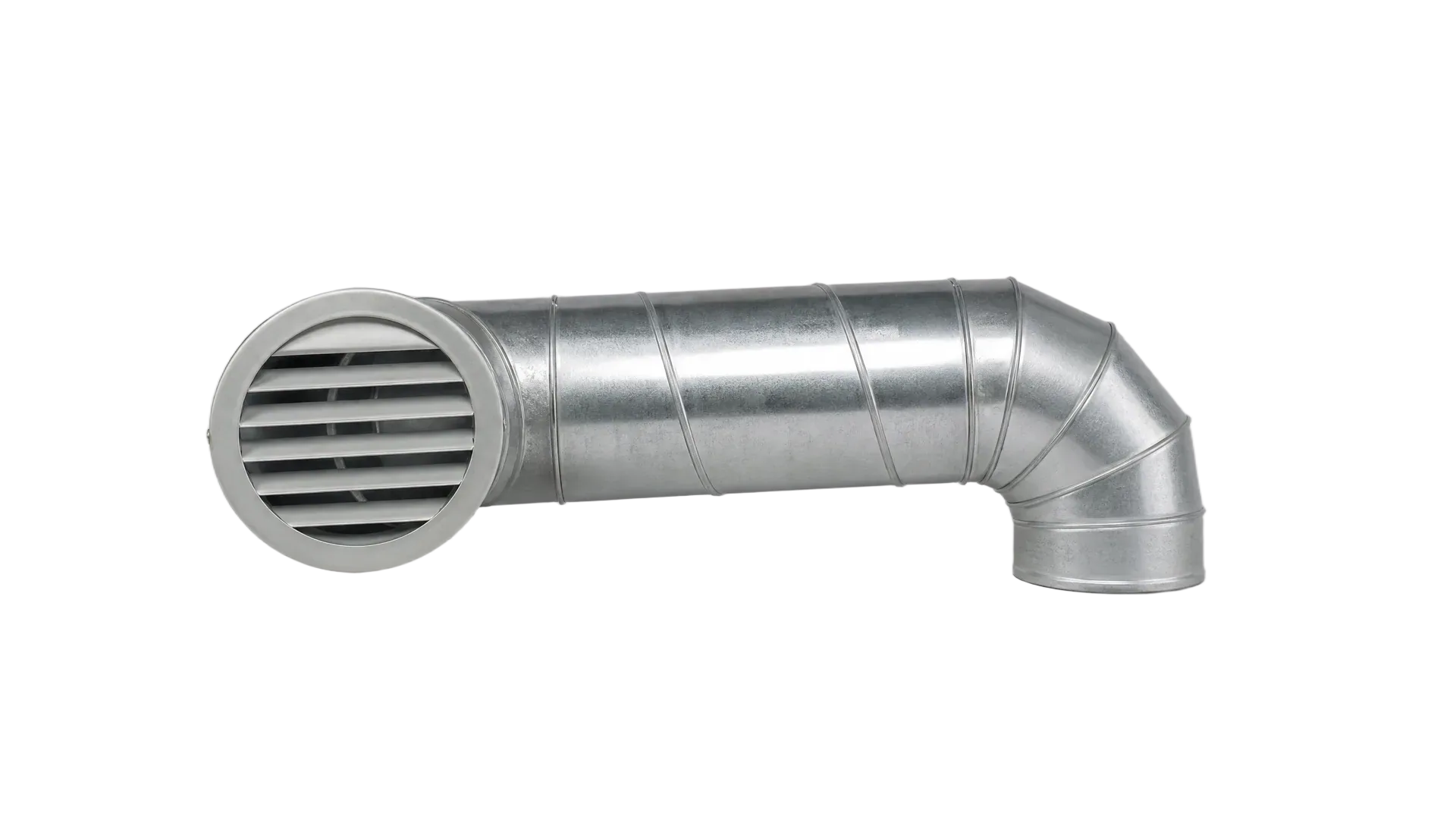

If your filter is clean and fits right
Duct cleaning probably won't change what you're breathing. Your allergy symptoms are more likely coming from the filter, a leaky duct joint, or something inside the house itself.
Allergies feel worse some days than others, and it's natural to look at the ductwork when you're sneezing through another muggy Alabama summer with the windows shut and the AC running nonstop. If dust and pollen are getting pulled through the system and blown into every room, cleaning the ducts out seems like it should clear the air.
Dust, pollen and pet dander settle in ductwork over time, and every time the system runs, some of that gets stirred back into the air moving through your house. Clearing it out can mean less of it circulating, which can ease symptoms for someone sensitive to it. But duct cleaning does not fix the source. If pollen is getting in through gaps around windows or a return that pulls air from a dusty attic, it will build back up. In a house that runs its AC most of the summer, air is moving through those ducts constantly, so whatever is loose in there has a lot of chances to reach you. A clean filter and a tight duct system do more for allergies over time than a one-time cleaning by itself.
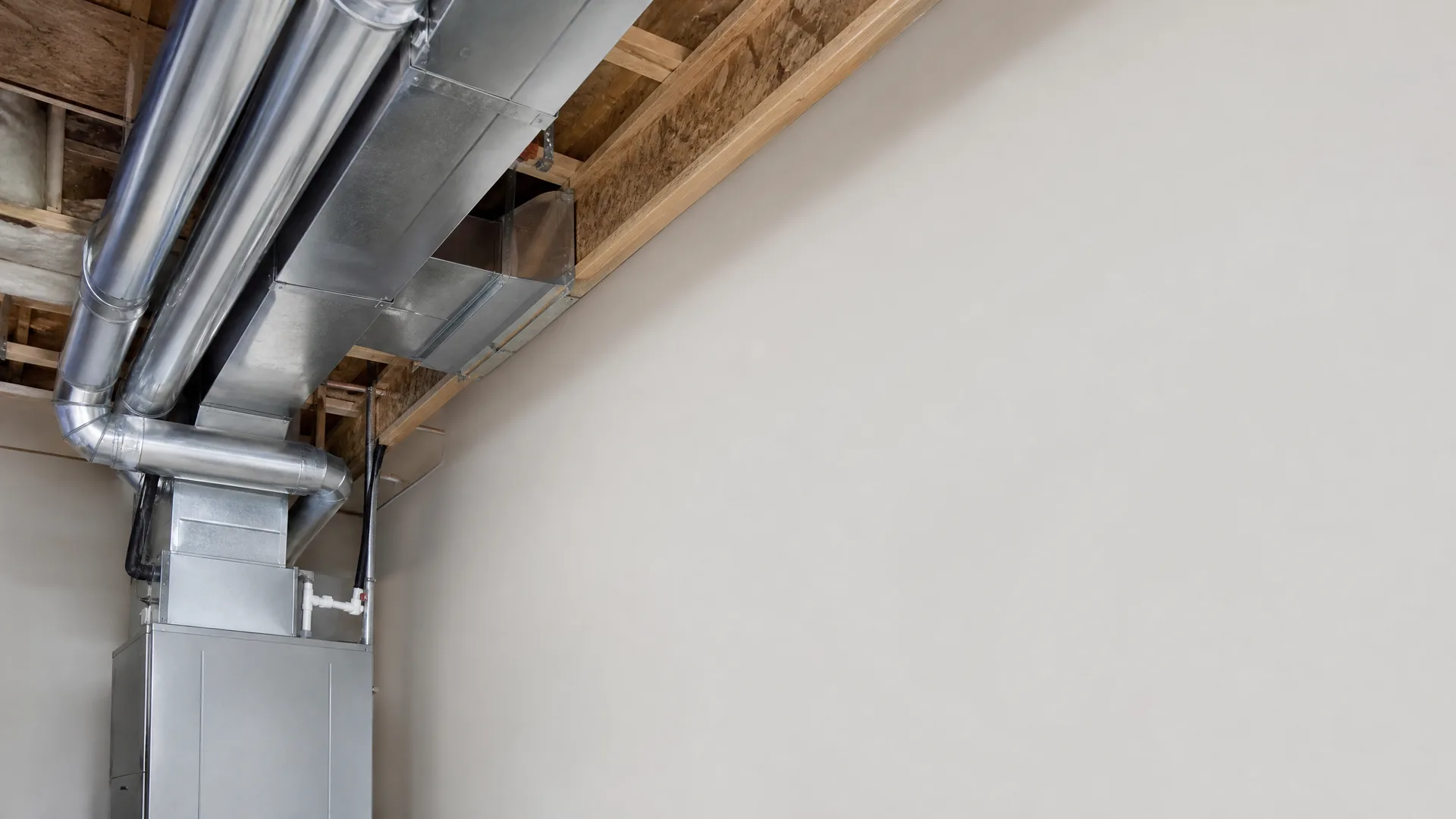
Ducts collect dust, pet hair, and the fine debris that settles anywhere air moves slowly. But your filter is what pulls particles out of the air you breathe, not the duct walls themselves. A clean duct system moves air without adding to what's already circulating, which matters with the AC running most of the summer here.
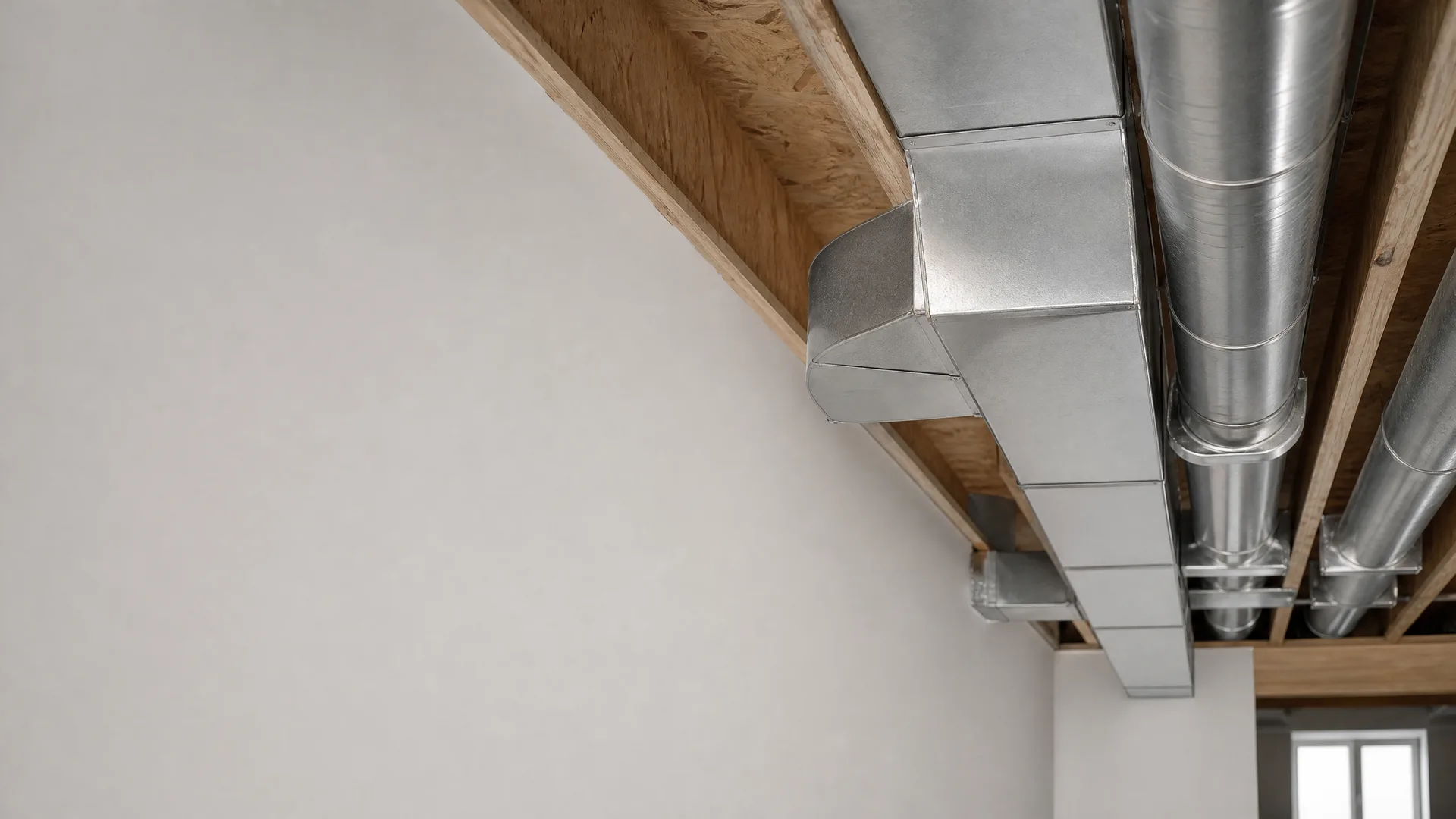
Mold is the exception worth checking for. Alabama summers keep indoor air humid when the AC can't quite keep up, and a duct system with standing moisture or a damp spot near the coil can grow mold that gets pushed into every room. That's a different problem than dust buildup, and it's one cleaning can actually fix.

With the AC running nonstop all summer, your system is moving the same air through those ducts over and over. If someone in the house has allergies, you'll notice it most on the days you keep the house sealed up tightest. That's the air filter working, or struggling, not the ducts. A filter that's overdue gets asked to do more than it can, and the duct cleaning itself won't change what that filter catches on day one.
Alabama summers mean the system runs long hours, and electricity isn't cheap here, so a lot of homeowners are already watching that system closely. If you're the kind of person who keeps up with the house, the better move is having someone look at the whole picture, your filter, your ducts, where the dust is actually coming from, rather than guessing at just one piece. Get matched with a contractor who can look at your specific setup, and let them tell you what's worth doing.

A technician inspects the ducts with a camera first
A vacuum connects to the duct system to create suction
Agitation tools knock dust loose from the duct walls
Loosened debris gets pulled out through the vacuum line




Duct cleaning probably won't change what you're breathing. Your allergy symptoms are more likely coming from the filter, a leaky duct joint, or something inside the house itself.
Heavy dust or a pest problem inside the ductwork can add to what's circulating. A cleaning can be worth ruling out, especially with the AC running nonstop all summer.


After this form, you can stop searching for a duct system pro.
Say what's going on with your ductwork, and a pro who works on them reaches out.
No fee to send it, and nothing to sign.


You might catch a musty smell when the AC first kicks on, or see dust settling back on furniture a day after you wipe it down. Some rooms stay stuffier than others no matter how long the system runs. If anyone in the house wakes up congested or starts sneezing within the first hour of being home, that's worth paying attention to. None of this confirms the ducts are the cause. A dirty filter or a damp spot in the basement can produce the same symptoms. But if the air feels heavier in certain rooms, or you're cleaning the same surfaces more often than you used to, it's a reasonable thing to look into before another muggy season sets in and the AC runs around the clock.

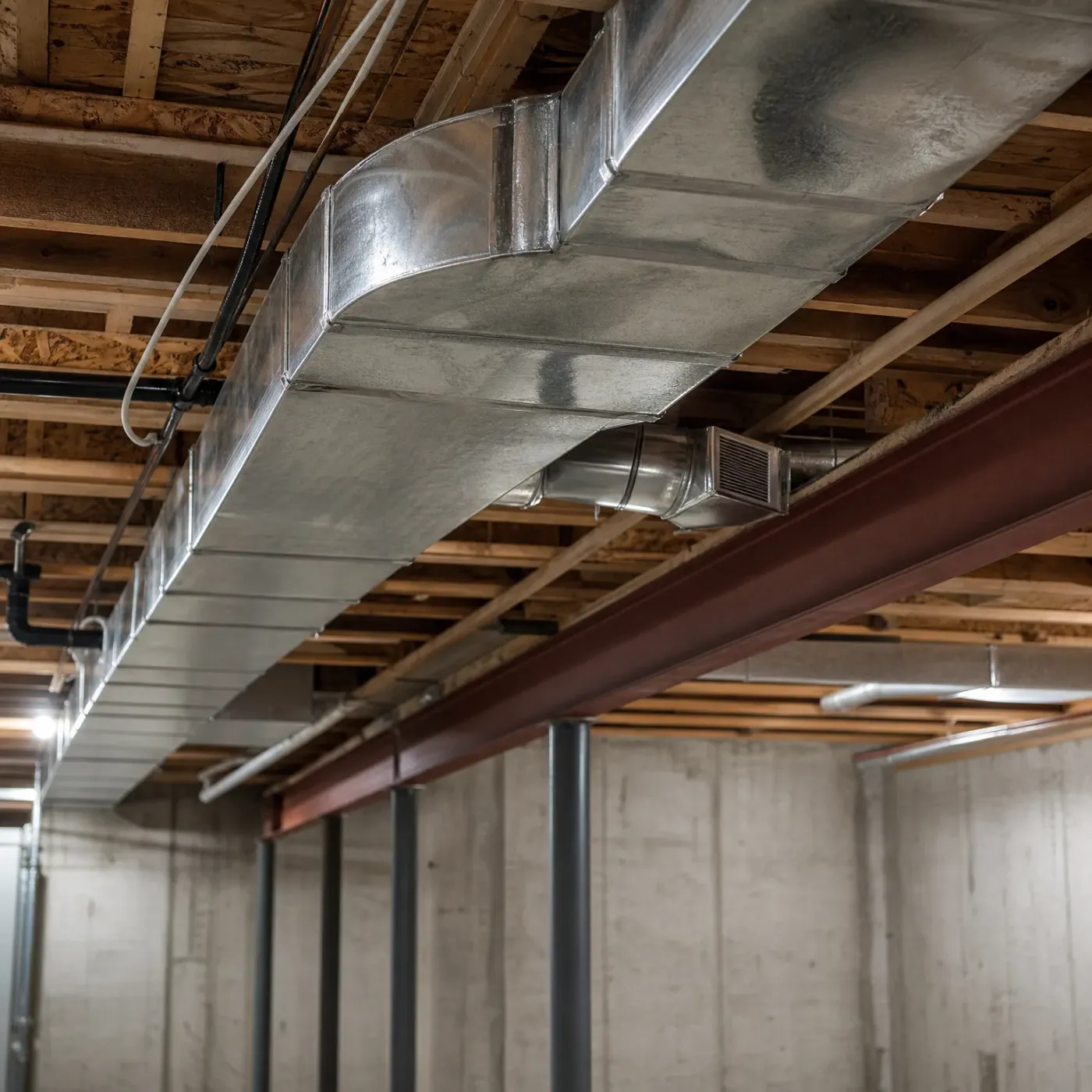
Ducts like this carry air across the basement without leaking into the space around them. The joints are tight, the metal is intact, and nothing along the run is open to the floor joists or the concrete below. Air gets where it's going without picking up anything extra on the way.

Gaps in the duct run let whatever is in the basement mix with the air headed to your vents. That water staining on the foundation wall points to moisture nearby, and a duct that isn't sealed can pull in dust, dampness, or worse, from the space it passes through, not just from inside the duct itself.
At 16.09 cents a kilowatt-hour, running the AC nonstop to chase dust in the ducts adds up fast. If a cleaning doesn't change what you're breathing, you've paid to move air through the same system, no better off and out the cost of running it.
EIA-861 2025 statewide residential average

This is sheet-metal ductwork in good shape, running clean along the joists with every joint sealed. Air moves through it straight to your vents without picking up anything along the way. Nothing here would explain why someone in the house is sneezing.

This duct run is coated in dark dust along the metal and the joints nearby. Air still gets through, but it's moving across buildup like this every time the AC runs. Whether that buildup reaches your vents depends on how well the joints are sealed and how clean your filter is.
Duct cleaning helps allergies when the ducts are actually the problem, and it doesn't when they aren't. A clean filter that fits right, a sealed duct run, nothing open to the basement or crawlspace, those are what keep dust and allergens out of the air you breathe, more than the duct walls themselves. If you've checked the filter, checked the joints, and you're still sneezing on the days the house is sealed up tightest, a cleaning is worth having a contractor look at alongside the rest of the system. Send the form and the search is off your plate. Someone who works on ductwork in Alabama homes will reach out, look at what you've got, and tell you straight whether cleaning will change anything or whether the answer is somewhere else in the house. You don't have to figure out which it is on your own.

Matched to your ductwork job



