Describe it once
Mold in air ducts in Daphne, AL
Musty air, dark spots at the vents, a smell that comes back no matter how often you clean. In a Daphne summer, humidity gives mold what it needs to grow inside ducts where you can't see it. This page covers how to tell what you're dealing with and what duct cleaning involves, so you're not stuck calling around Baldwin County and explaining the same problem to every company that picks up.
Skip the callsMold in air ducts usually means moisture got into the system and sat there long enough to grow. In Baldwin County, the air conditioner runs most of the year pulling humidity out of the air, and any duct section that stays damp, from a slow leak, a poorly sealed joint, or condensation where metal ducts meet humid attic air, gives mold a place to take hold. Once it's growing, the system spreads spores every time it runs, which is why the smell shows up in rooms far from where the mold actually is. You can't scrub this out through a vent cover. The ducts themselves have to be cleaned, and if there's a moisture source feeding it, that needs fixing too, or the mold comes back within a season. A musty smell that follows the air conditioner, not just a damp room, is the sign worth taking seriously.
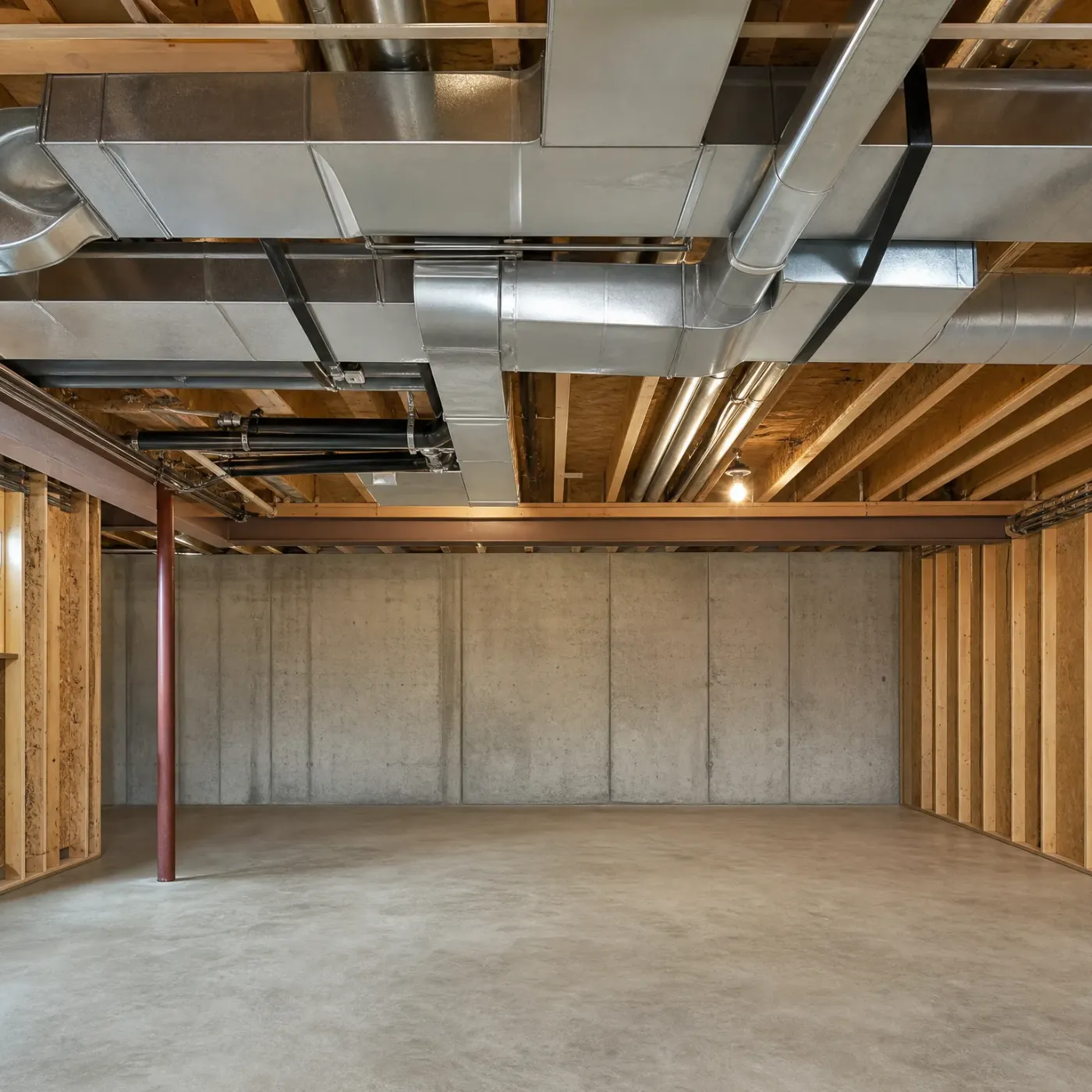
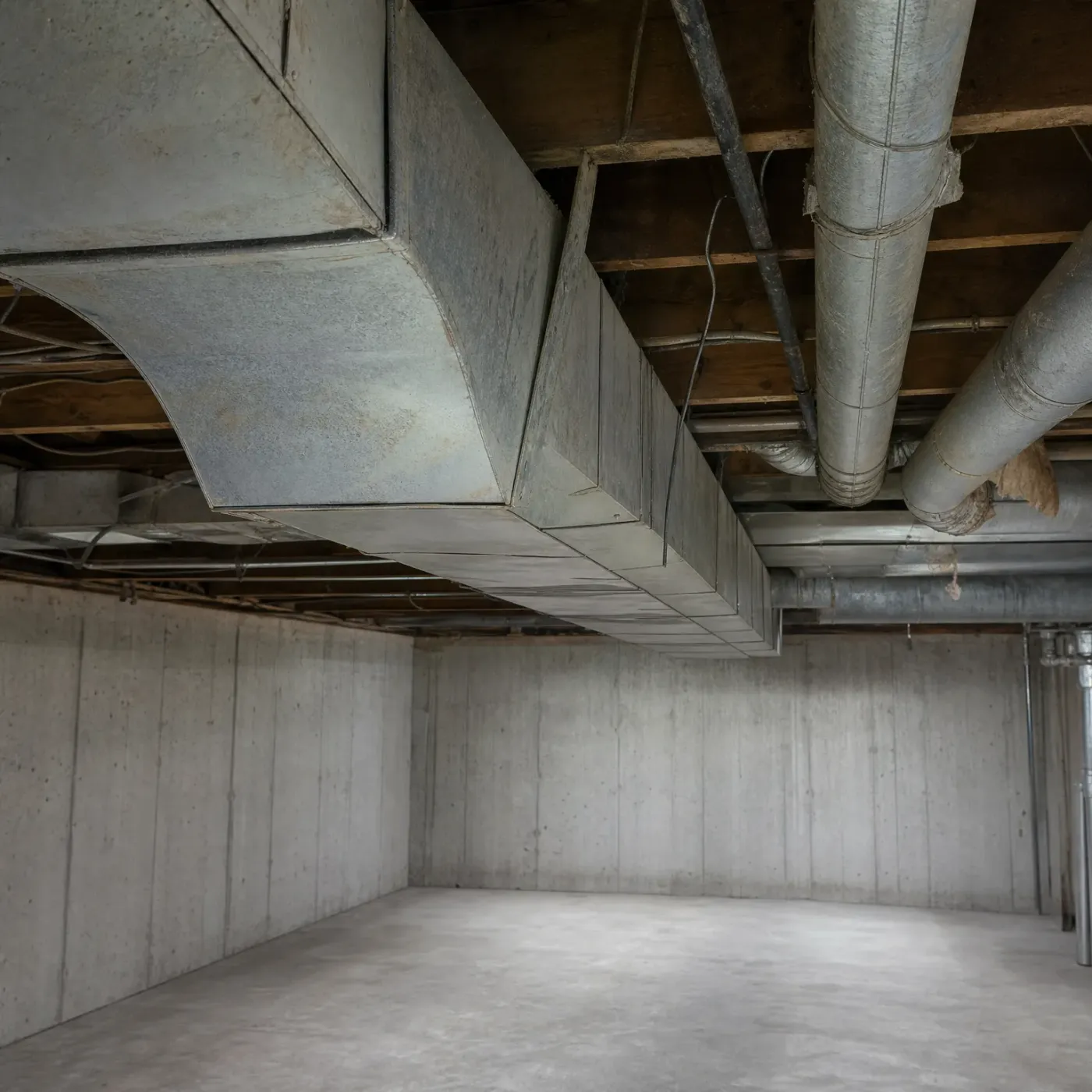
Mold doesn't need a leak to get started. It needs moisture sitting on a surface long enough, plus dust to feed on, and a duct gives it both. In Baldwin County that moisture often comes from condensation, not water damage. Air conditioning runs most of the year here, and any duct surface that runs cooler than the air around it will sweat the same way a glass of ice tea does. Flex duct is especially prone to this if the inner liner gets crushed or torn, because the moisture gets trapped against the insulation instead of drying out. The return side matters too. If the plenum draws air from a damp crawlspace or attic, it pulls spores in and pushes them through every vent in the house. The evaporator coil and drain pan are usually where trouble starts, since that's where humid air cools fastest, and a clogged drain line often shows up as mold near the coil before anywhere else. Once mold is growing in the insulation or liner itself, cleaning won't fix it. That section has to come out.
How mold actually gets into ductwork
- Mold needs three things to grow in a duct: moisture, a food source like dust, and a surface that stays damp long enough.
- Humidity that condenses on cool duct surfaces behaves the same as a leak, even when there is no water line anywhere near the run.
- Flexible duct with a damaged or compressed inner liner can trap moisture against the insulation where it never fully dries.
- A return plenum pulling air from a damp crawlspace or attic draws mold spores straight into the system and spreads them through every room.
- The evaporator coil and drain pan sit right where humid air cools fastest, so a clogged drain line often shows up as mold nearby before it shows up anywhere else.
- Mold on a duct's metal surface can usually be cleaned, but mold grown into the insulation or liner means that section gets replaced, not cleaned.




No calling every shop in Baldwin County

A licensed pro who works in Baldwin County gets your request.
Asking costs nothing, and the choice to hire stays yours.
Why humidity reaches the ducts
A duct run that sits in a hot attic or a crawlspace stays cooler inside than the air around it once the air conditioner is running. That temperature difference is what causes condensation on the outside of the metal or on the inner liner of flex duct. In Baldwin County, outdoor humidity is high enough, long enough, that this isn't a rare event tied to one bad week. It happens on an ordinary muggy afternoon. Insulation that has come loose or gotten thin at a joint makes it worse, because that section of duct loses its barrier against the warm, wet air sitting right next to it.
Why cleaning alone sometimes fails
Cleaning removes the mold that has already grown and the dust it was feeding on, but it doesn't change the surface temperature of the duct or fix a gap in the insulation. If the condensation that started the problem is still forming, mold can return in the same spots within months. A contractor checking ducts for mold in a home here should be looking at where the moisture is coming from, not just what's growing on it. Sealing a seam, replacing damaged insulation, or correcting a drainage issue near the duct run is what keeps a cleaned system clean.
Why does mold keep coming back in a Daphne duct system?
Half the homes here were built by 1999
Half the homes in Baldwin County were built by 1999, so a lot of duct runs are old enough that insulation and seals have had time to fail.
Heat runs November through March
Cooling runs May through October here, six months of condensation risk on any duct surface that sits cooler than the air around it.
Cooling runs May through October
Heat runs November through March, so for five months the ducts dry out, which is why the smell can fade in winter and come back every spring.
ACS 2020-2024 · NOAA nClimDiv 1991-2020
What a Daphne duct problem comes down to
- Mold in a duct comes from moisture that sat too long, not from dirt alone.
- Drying out the source and cleaning the duct run is what stops it from coming back.
- A contractor who services Daphne systems all summer knows which runs in which neighborhoods tend to hold moisture.
- One licensed local contractor takes the call, so you deal with a single company instead of sorting through several quotes.
- Dark staining at the seams or a smell that won't clear is enough reason to have the duct run checked.
- Clean metal and dry joists along the run mean the system isn't holding the moisture mold needs.
Mold in a duct is a moisture problem before it's anything else. Dust alone won't grow it. Somewhere along the run, a surface stayed damp long enough, from condensation, a slow leak, or a seam that never sealed right, and mold took hold there. Finding that spot and drying it out is the actual fix. Cleaning the duct without addressing why it got wet just buys a season before it's back.
That's where knowing the area helps. A contractor who's worked on cooling systems around Baldwin County through enough summers has seen which runs in which kinds of houses tend to hold moisture, whether it's an attic run that stays warmer than it should or a crawlspace section that never quite dries between storms. That's not a guess made from a truck. It's pattern recognition built from doing this work locally, season after season.
When you put in a request through this page, it goes to one licensed contractor local to Daphne, not a handful of companies competing for your callback. You explain the problem once. No sorting through quotes, no repeating yourself to the third company that calls back a week later.
The checks are straightforward. Dark staining at the seams, a smell that won't clear, clean metal and dry joists where the duct runs through the attic or crawlspace. What you find there tells you where you stand, and whether the moisture is still sitting in the system or it's gone for good.
No phone calls to make
Your request stays with one local pro.