
HVAC Repair in Birmingham, AL
Homes here need heat from November through March and cooling from May through September. If your system quits, tell us what it's doing and a licensed contractor who covers Jefferson County will get in touch.
Tell us about the job
It takes about a minute.
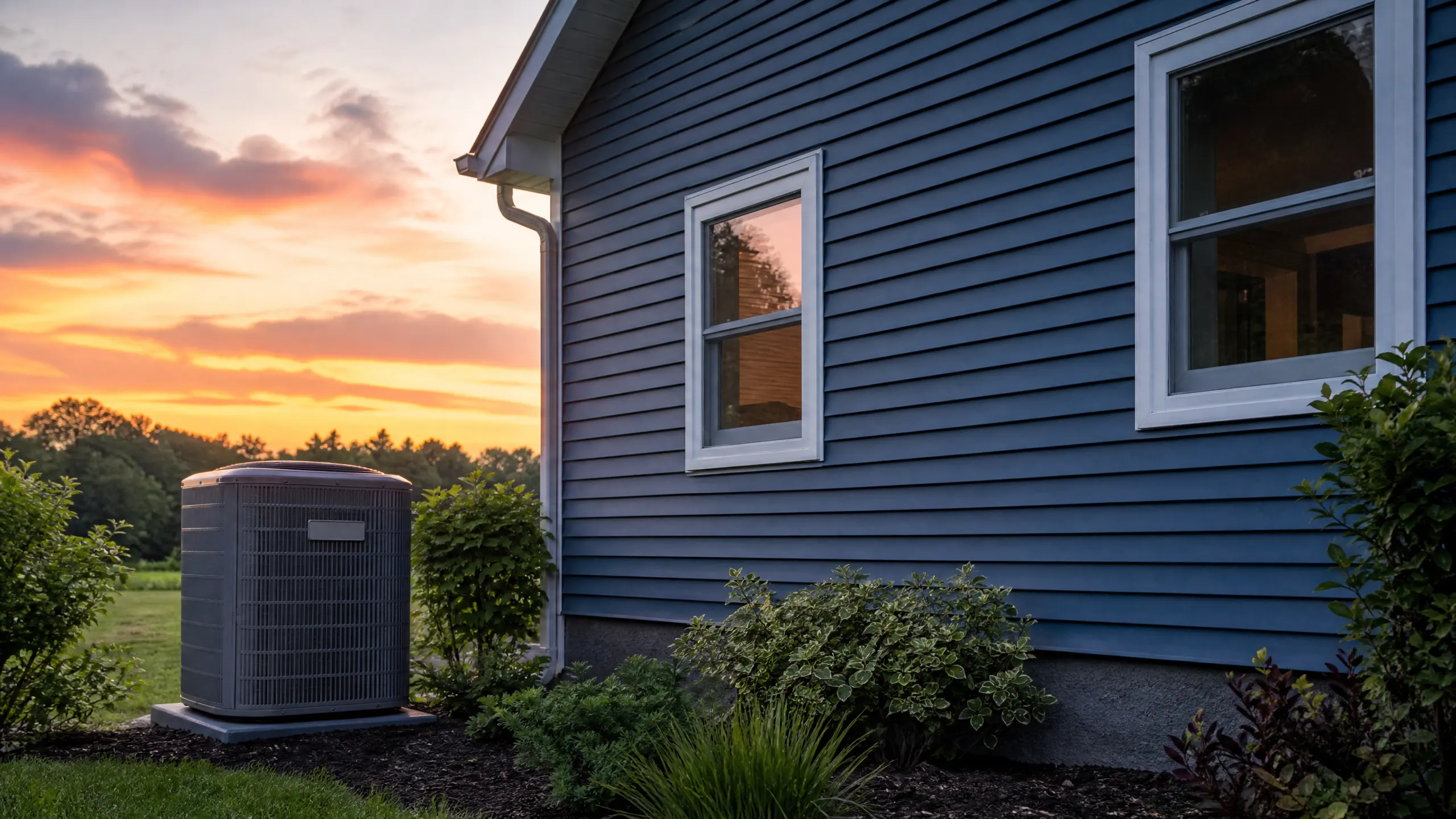
Ten months of work a year, with storms in between
Your system in Jefferson County only gets a couple of months off. It cools from May through September, with afternoons that hit 90°F, then switches to heat from November through March, with winter nights averaging 35°F. That is ten months of the year with the compressor or the burner running, and each season puts a different kind of load on it.
The wind is the other problem. The area has logged 166 damaging wind events over the past ten years, the kind that snaps branches onto a condenser or knocks a unit out of level. Add in power that has gone out for a day or more in 18% of Alabama households in a single year, and you get systems that shut down hard and have to restart, which is when a weak capacitor or a failing igniter finally gives out.
- 5 months
- November through March, your system heats
- 5 months
- May through September, it cools
- 35°F
- the average winter night it heats against
- 90°F
- the average summer afternoon it cools against
NOAA nClimDiv, 1991–2020 normals
Alabama requires HVAC contractors to hold a state license.
The Alabama Board of Heating, Air Conditioning & Refrigeration Contractors tests contractors before they can hold this license, and it keeps a record of who holds one. That record is tied to the contractor, not to the specific repair on your system, so the same license covers the next job and the one after that.
For a repair on a heating and cooling system, that license is the thing standing behind the work. Whoever holds it has already been tested by the state and is on record with the board, so the person working on your furnace, your air conditioner, or the connection between them is accountable to that license.
Source: Alabama Board of Heating, Air Conditioning and Refrigeration Contractors
- Why is my heat not working?
- Most often the thermostat, the igniter, or a safety switch is stopping the furnace from starting. If the thermostat is set right and has power, check your breaker panel next since a tripped breaker will shut the whole system down. Furnaces also have a flame sensor that will block ignition if it's dirty, and that takes a contractor to clean properly. With winter nights here averaging 35°F, a furnace that won't fire is worth getting looked at the same day.
- Why is my system running but not cooling the house?
- If air is moving but it isn't cold, the problem is usually low refrigerant, a frozen evaporator coil, or a dirty air filter cutting off airflow. Check the filter first since a clogged one will make the coil freeze over and stop cooling altogether. If the filter is clean and you still get warm air, the coil or the refrigerant charge needs a contractor's gauges to diagnose. With summer afternoons here reaching 90°F, this isn't something to wait out.
- What can I check before calling for HVAC repair?
- Start with the thermostat. Make sure it's set to heat or cool as needed and that the batteries aren't dead. Next check your breaker panel for a tripped switch, since both furnaces and air conditioners will simply stop if they lose power. Then pull the air filter and hold it up to a light. If you can't see through it, replace it, since a blocked filter causes both weak heat and weak cooling. If the system still won't run right after these checks, a licensed contractor will need to look at it directly.