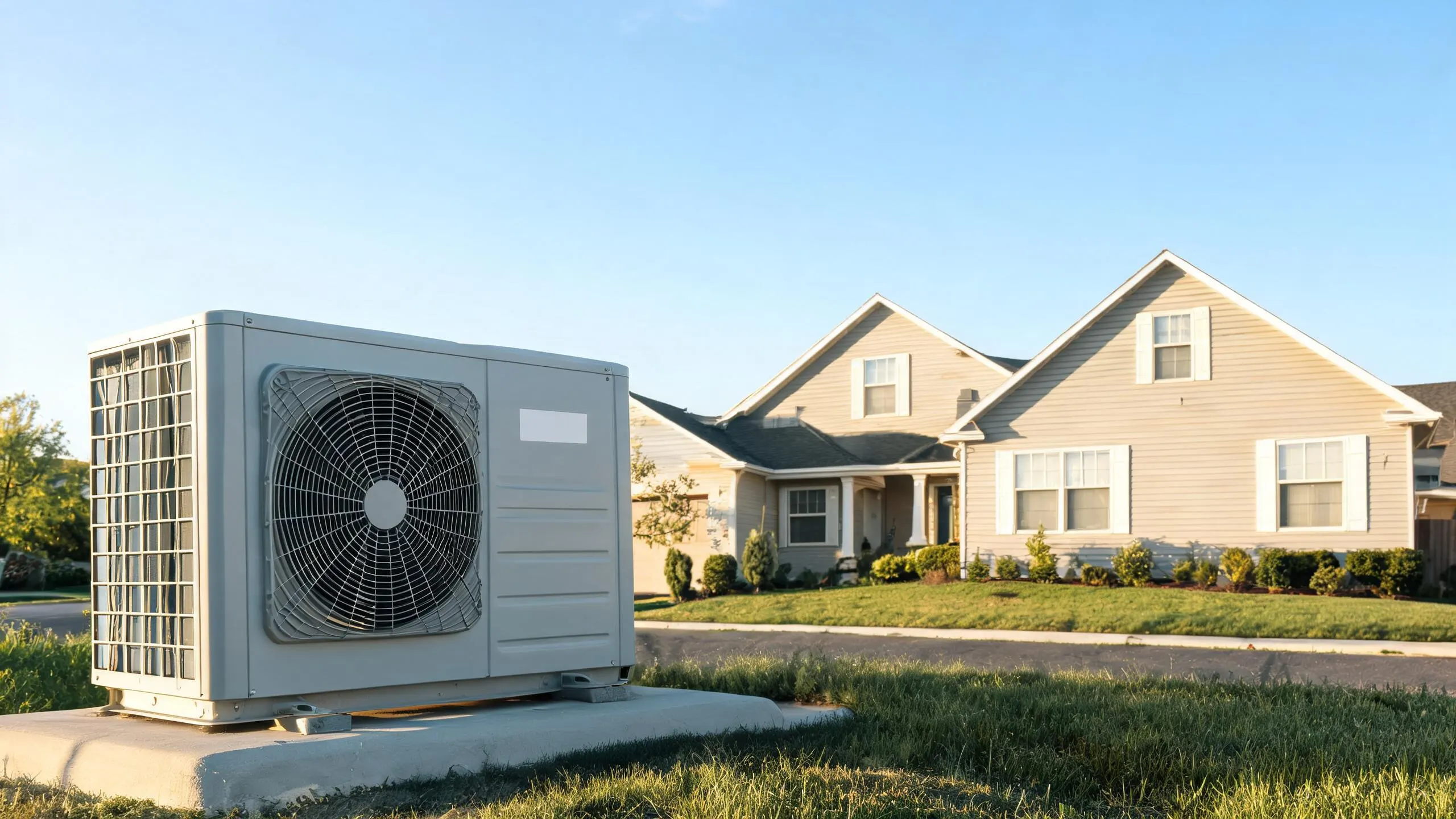
Heat Pump Repair in Birmingham, AL
Homes here need heat from November through March and cooling from May through September. If your system quits, tell us what it's doing and a licensed contractor who covers Jefferson County will get in touch.
Tell us about the job
It takes about a minute.
Ten months of work a year, with storms in between
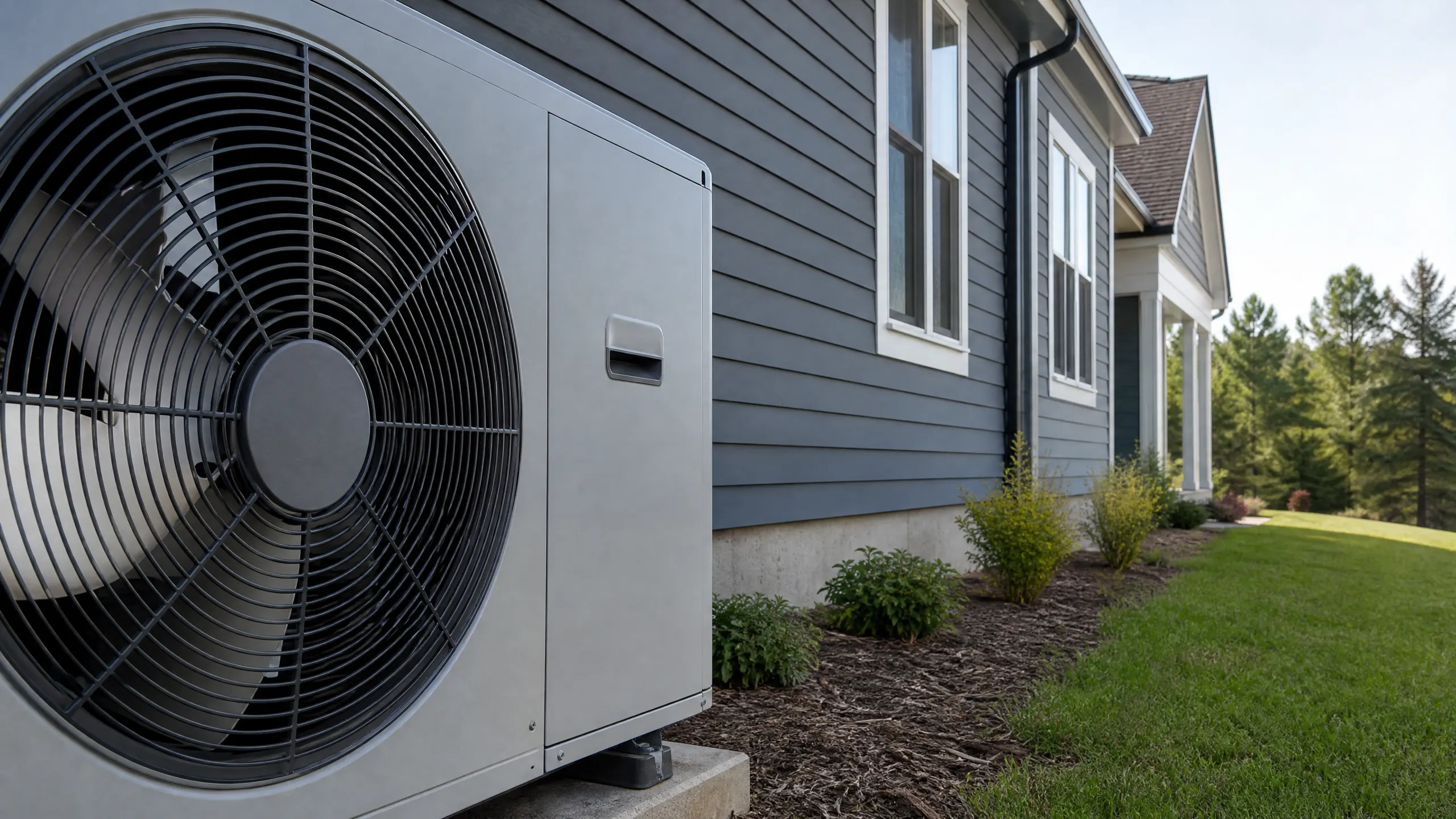
Your heat pump runs from November through March to keep the house warm, then switches over and runs May through September to keep it cool. That is ten months of the year with almost no rest between seasons. On winter nights that average 35°F, the unit cycles into defrost and back again to keep ice off the outdoor coil. On summer afternoons near 90°F, it runs long stretches to keep up, and the outdoor unit takes the brunt of the heat.
Jefferson County has logged 166 damaging wind events over the past ten years, along with a handful of winter storms. Wind drives debris into the outdoor unit and can knock it off level, and nearly one in five Alabama households lost power for a full day or more in 2024. Most heat pumps restart on their own once power returns, but a compressor caught mid-cycle when the power dropped is what tends to give out after enough of that.
- 5 months
- November through March, your system heats
- 5 months
- May through September, it cools
- 35°F
- the average winter night it heats against
- 90°F
- the average summer afternoon it cools against
NOAA nClimDiv, 1991–2020 normals
Alabama requires HVAC contractors to hold a state license.
Alabama licenses HVAC contractors through the Alabama Board of Heating, Air Conditioning & Refrigeration Contractors. That license belongs to the contractor, not to this particular job, so the same license covers whatever work they take on.
A heat pump repair usually means opening the refrigerant side of the system, and that part of the job falls under a separate federal rule. Any technician who works on the refrigerant side, in Alabama or anywhere else, has to hold EPA Section 608 certification. That certification exists alongside the state license, not in place of it.
Source: Alabama Board of Heating, Air Conditioning and Refrigeration Contractors
- Why is my heat pump blowing cold air?
- In winter, a heat pump moves warm air at a lower temperature than a furnace does, so the air from your vents can feel cool even when it's working right. If it feels cold rather than just mild, check that your thermostat is set to heat and not fan only. A dirty filter or a frozen outdoor coil will also cut off the heat, so if the air stays cold and the room isn't warming up, a contractor needs to look at the system. Some heat pumps also run a defrost cycle that blows cold air for a few minutes while ice melts off the outdoor unit, and that's normal.
- Why is there ice on my heat pump?
- Some frost on the outdoor unit in winter is normal, and your heat pump clears it on its own with a built-in defrost cycle. Thick ice or ice that doesn't go away is different. That usually means airflow is blocked, the refrigerant charge is low, or the defrost control has failed. With winter nights here averaging 35°F, the outdoor coil is working through cold air for months at a time, so heavy ice buildup is worth having a contractor check rather than waiting on it.
- Why is my heat pump running but not cooling?
- If the unit is running but the air isn't cold, the most common causes are a dirty filter, a frozen indoor coil, or refrigerant that's low from a leak. Check the filter first since that's the one thing you can rule out yourself. With summer afternoons here reaching 90°F, a system that's low on refrigerant or short on airflow will struggle to keep up, and it won't fix itself. A contractor can check the coil and refrigerant charge and tell you what's actually wrong.