Heat Pump Repair in Montgomery, AL
Homes here need heat from November through March and cooling from May through October. If your system quits, tell us what it's doing and a licensed contractor who covers Montgomery County will get in touch.
Tell us about the job
It takes about a minute.
Montgomery runs its heat pump almost year round
Your heat pump covers cooling from May through October and heat from November through March. That leaves it working through most of the year with little rest between seasons, so the compressor and outdoor coil rarely get a break.
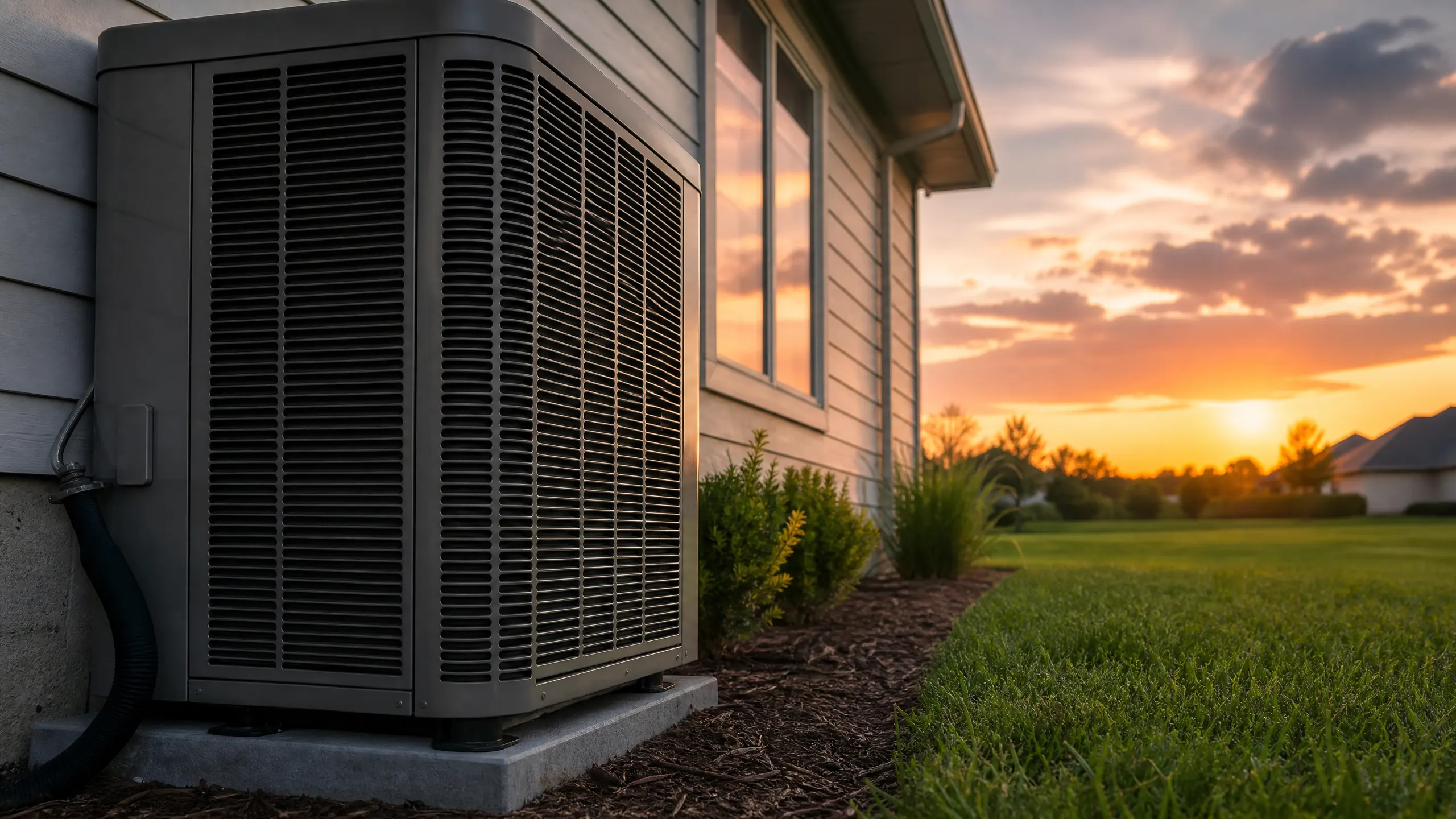
Summer afternoons averaging 91°F keep the system working hard on the cooling side. The outdoor unit also sits exposed to the weather. Montgomery County has logged 34 damaging wind events over the past ten years, and wind at that level can bend the fins, drive debris into the coil, or knock the unit off level. After a storm like that, a heat pump running rough or short cycling is often telling you the outdoor unit took a hit.
- 5 months
- November through March, your system heats
- 6 months
- May through October, it cools
- 38°F
- the average winter night it heats against
- 91°F
- the average summer afternoon it cools against
NOAA nClimDiv, 1991–2020 normals
Alabama requires HVAC contractors to hold a state license.
Alabama licenses the contractor, not the job. The Alabama Board of Heating, Air Conditioning & Refrigeration Contractors issues that license, and it stays with the contractor across whatever HVAC work they take on, a heat pump repair included.
Fixing a heat pump usually means getting into the refrigerant side of the system, whether that is checking the charge or replacing a part in the lines. Federal law requires EPA Section 608 certification for that work, in every state, so the technician at your door needs the state license and this certification both.
Source: Alabama Board of Heating, Air Conditioning and Refrigeration Contractors
- Why is my heat pump blowing cold air?
- In heating mode, a heat pump puts out air that feels cooler than a furnace would, sometimes around body temperature, and that can feel cold even when it is working right. If the air coming out is actually cold, not just cool, check that your thermostat is set to heat and not fan only, since the fan will run and move unheated air if the system itself has stopped calling for heat. It could also mean the outdoor unit has stopped running while the indoor fan keeps going, which points to a problem with the compressor or the refrigerant charge. On a night near 38 degrees, a heat pump that is not actually heating will let a house cool down fast, so this is worth having a contractor look at soon.
- Why is there ice on my heat pump?
- Some frost on the outdoor unit during winter is normal, and the system defrosts itself on a regular cycle, switching briefly to cooling mode to melt it off. A heavy coat of ice that does not clear, or ice that builds up again within a few hours, usually means the defrost cycle isn't running or the airflow across the coil is blocked. Check first that nothing is stacked against the outdoor unit and that the coil fins aren't packed with leaves or dirt. If the unit is clear and ice keeps forming, the defrost control board, a sensor, or the refrigerant charge likely needs a contractor's attention.
- Why is my heat pump running but not cooling?
- If the outdoor unit and indoor fan are both running but the air isn't cool, the most common cause is low refrigerant from a leak, since the system needs the right charge to move heat out of the house. A dirty air filter or a blocked outdoor coil can also cut off the airflow the system needs to cool properly, so check the filter first since that's the one thing worth ruling out yourself. On a 91 degree afternoon a system that's just undersized for the heat will run constantly without much problem, but one that used to keep up and suddenly can't points to a mechanical issue. A contractor can check the refrigerant charge and pressures to find out which it is.