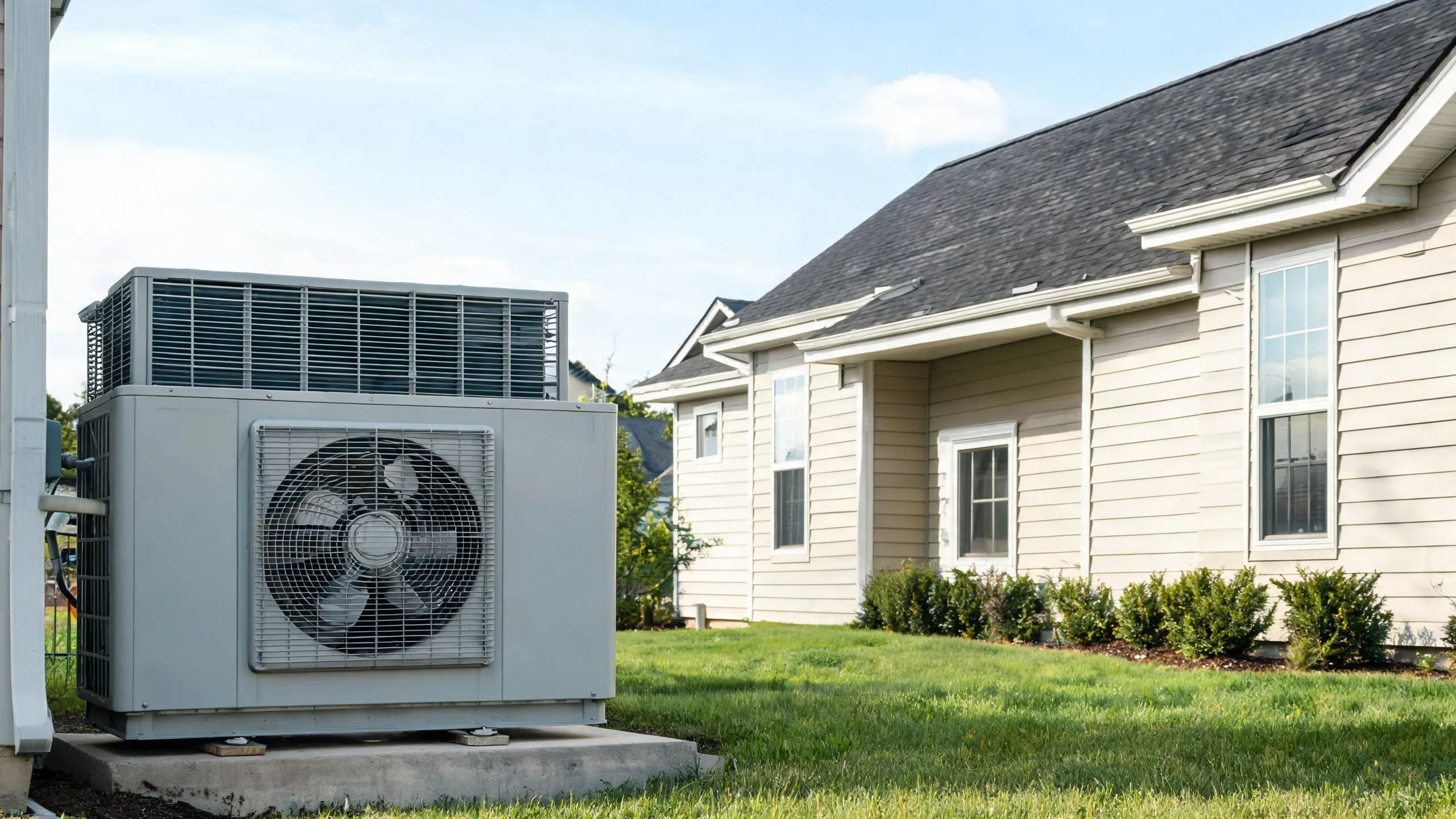
Heat Pump Installation in Montgomery, AL
A new system here will heat from November through March and cool from May through October every year. Tell us about the house, and a licensed contractor who covers Montgomery County will get in touch.
Tell us about the job
It takes about a minute.
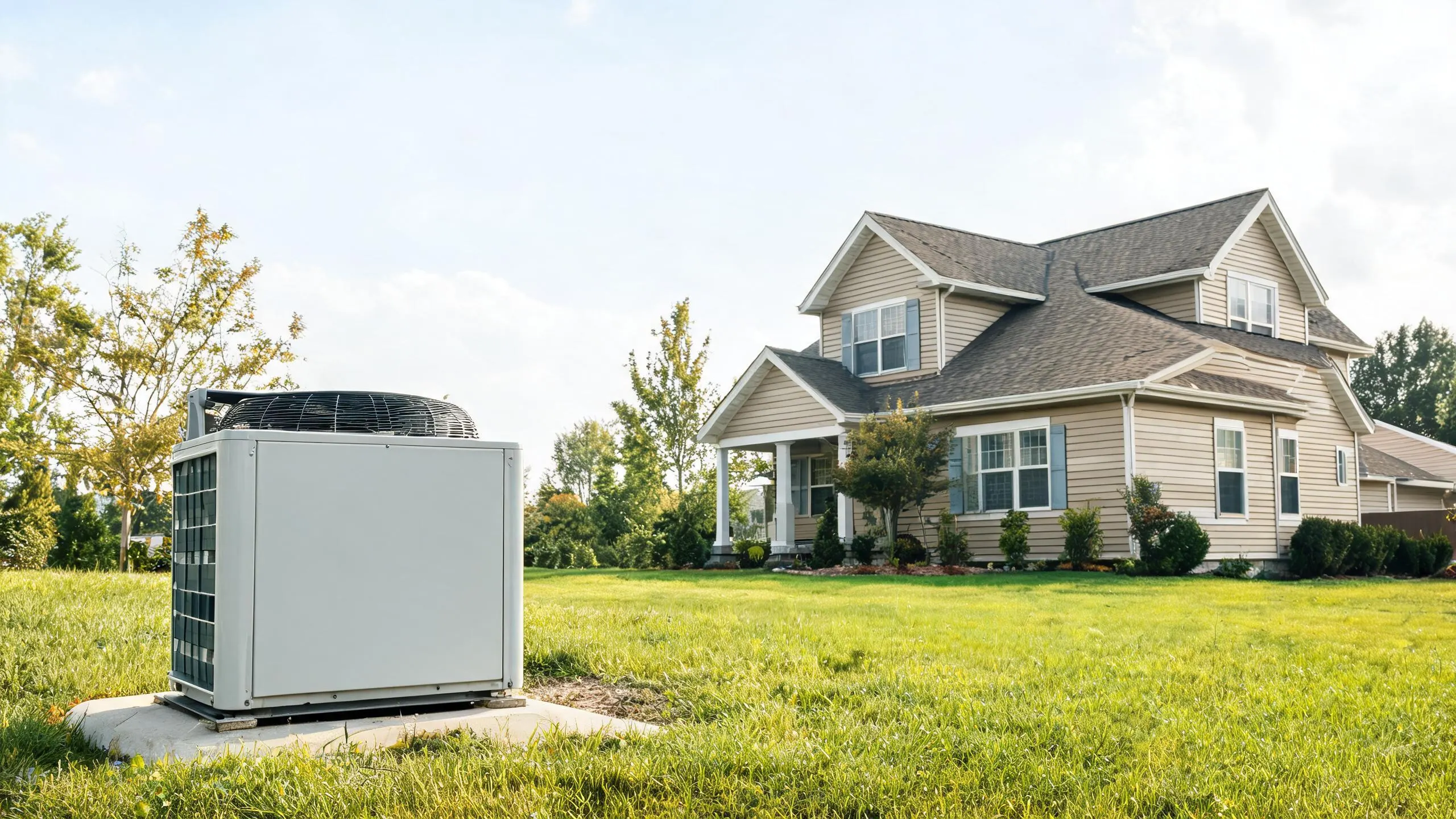
Eleven months of work a year for a Montgomery heat pump
Montgomery only gets a real break from heating or cooling in a stray month or two. Winter nights average 38°F from December through February, mild enough that a heat pump runs efficiently instead of leaning on backup heat. Summer afternoons average 91°F, and that heat runs from May through October, six months of cooling on top of five months of heat.
A heat pump installed here has to hold up through nearly year round use, not seasonal bursts. Any new split system also has to meet the federal minimum of 14.3 SEER2 for cooling and 7.5 HSPF2 for heating, so the equipment going in is already built for that kind of duty. With over half of Montgomery homes heating on electricity already, the unit outside is doing real work most of the year, and Alabama's wind events, 34 damaging ones recorded over the last ten years, mean it also has to be installed to stay put and keep running through weather.
- 5 months
- November through March, your system heats
- 6 months
- May through October, it cools
- 38°F
- the average winter night it heats against
- 91°F
- the average summer afternoon it cools against
NOAA nClimDiv, 1991–2020 normals
Alabama requires HVAC contractors to hold a state license.
The Alabama Board of Heating, Air Conditioning & Refrigeration Contractors tests and licenses contractors before they can take on work like this. The license belongs to the contractor, not to the job itself, so it travels with them from one installation to the next rather than being issued fresh each time.
For a heat pump installation, the license tells you the contractor was tested and is on record with the state. What it does not replace is the local permit. In most cities and counties in Alabama, putting in a new heat pump needs a permit from the local building office, and the work gets inspected once it is done. That inspection is what checks the installation itself, separate from whatever the license already covers.
Source: Alabama Board of Heating, Air Conditioning and Refrigeration Contractors
- Is a heat pump better than a furnace?
- It depends on what you're after. A heat pump handles both heating and cooling from one system, and it moves heat rather than burning fuel to make it, so it costs less to run in most conditions. A furnace only heats, and it burns gas or uses electric resistance, which works harder to produce the same warmth. Winters in Montgomery are mild, averaging 38°F on winter nights, which is the kind of climate where a heat pump can carry the full heating load without much trouble.
- What's the difference between a heat pump and an air conditioner?
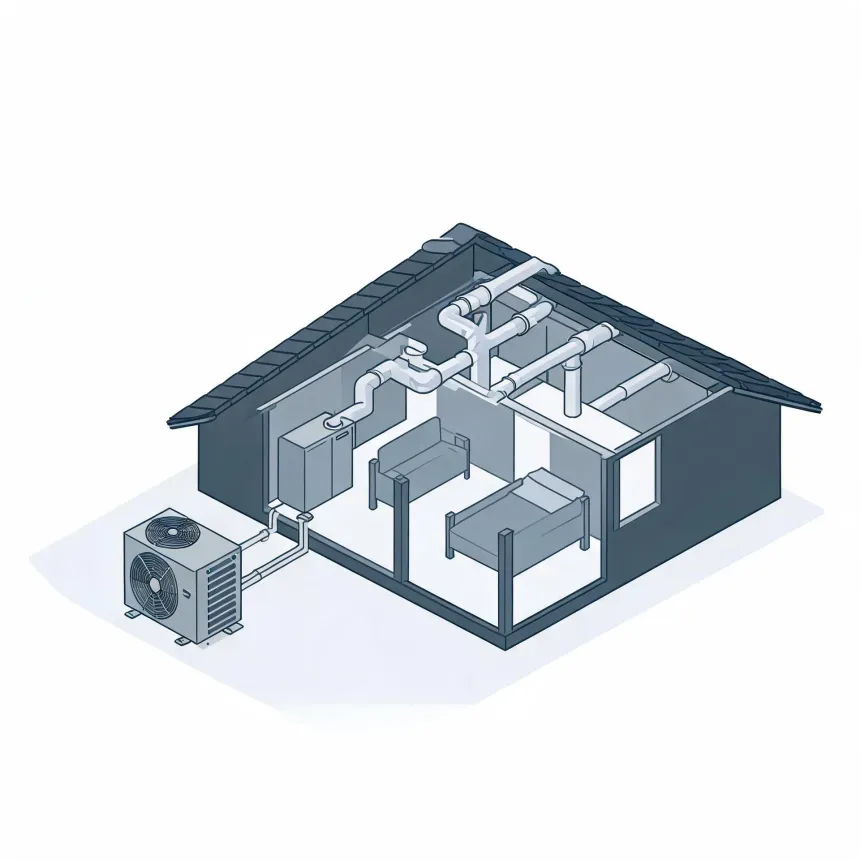
- An air conditioner only cools. A heat pump does the same cooling job in summer, but it can also run in reverse and pull heat into the house in winter. Mechanically they're close cousins, both use a compressor and refrigerant to move heat from one place to another. The difference is the reversing valve that lets a heat pump switch directions, which is what lets it heat your home from November through March instead of just cooling it May through October.
- Does a heat pump work in cold weather?
- Yes, though it works harder as the temperature drops. A heat pump pulls heat from outside air, and there's less heat to pull as it gets colder, so output drops off in freezing weather. Montgomery winters average 38°F at night, well above the range where a heat pump really struggles, so a properly sized system should keep up through the season without needing backup heat most nights.