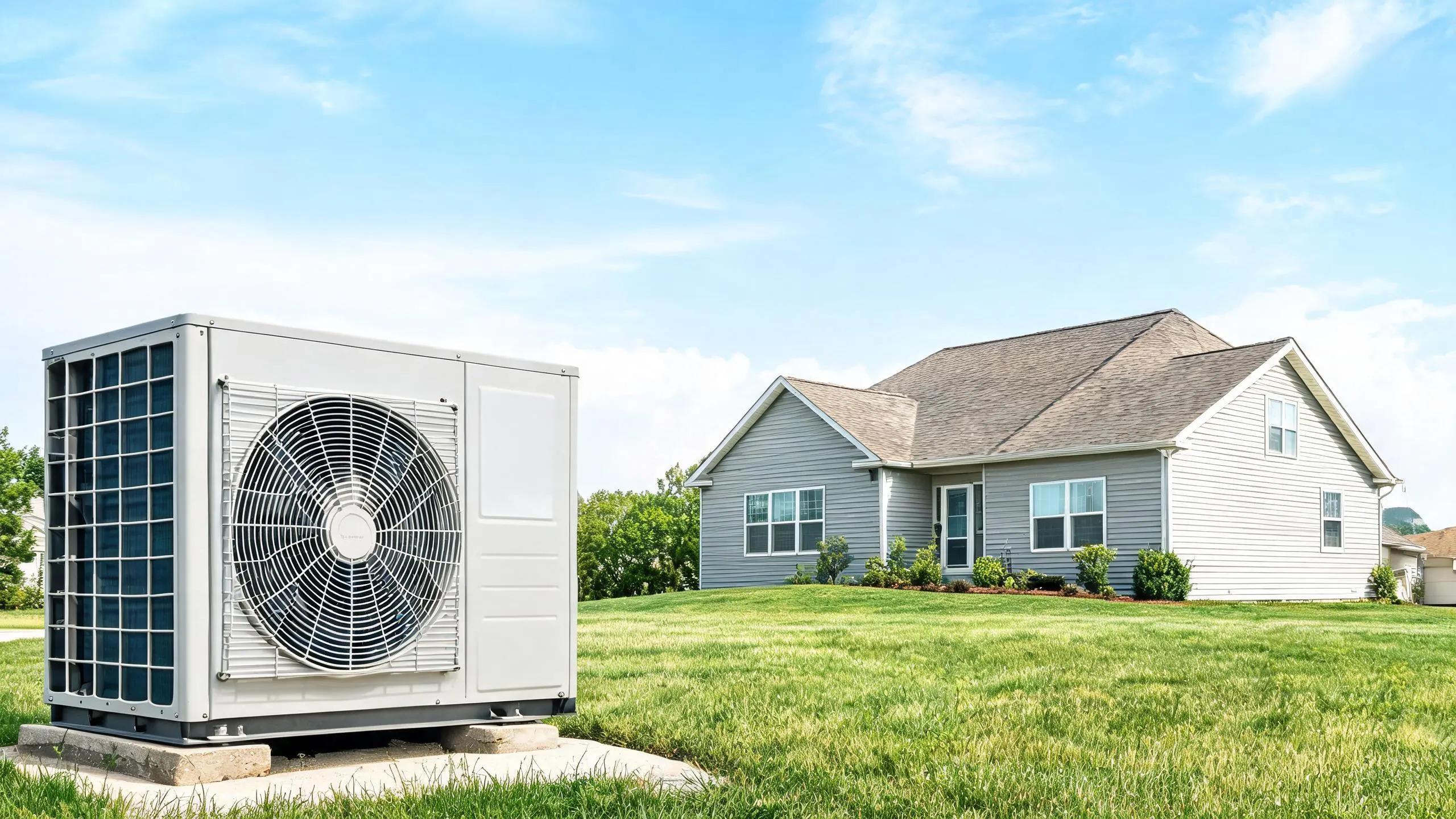
Heat Pump Repair in Gadsden, AL
Homes here need heat from November through March and cooling from May through September. If your system quits, tell us what it's doing and a licensed contractor who covers Etowah County will get in touch.
Tell us about the job
It takes about a minute.
Ten months of work, most of it in the cold
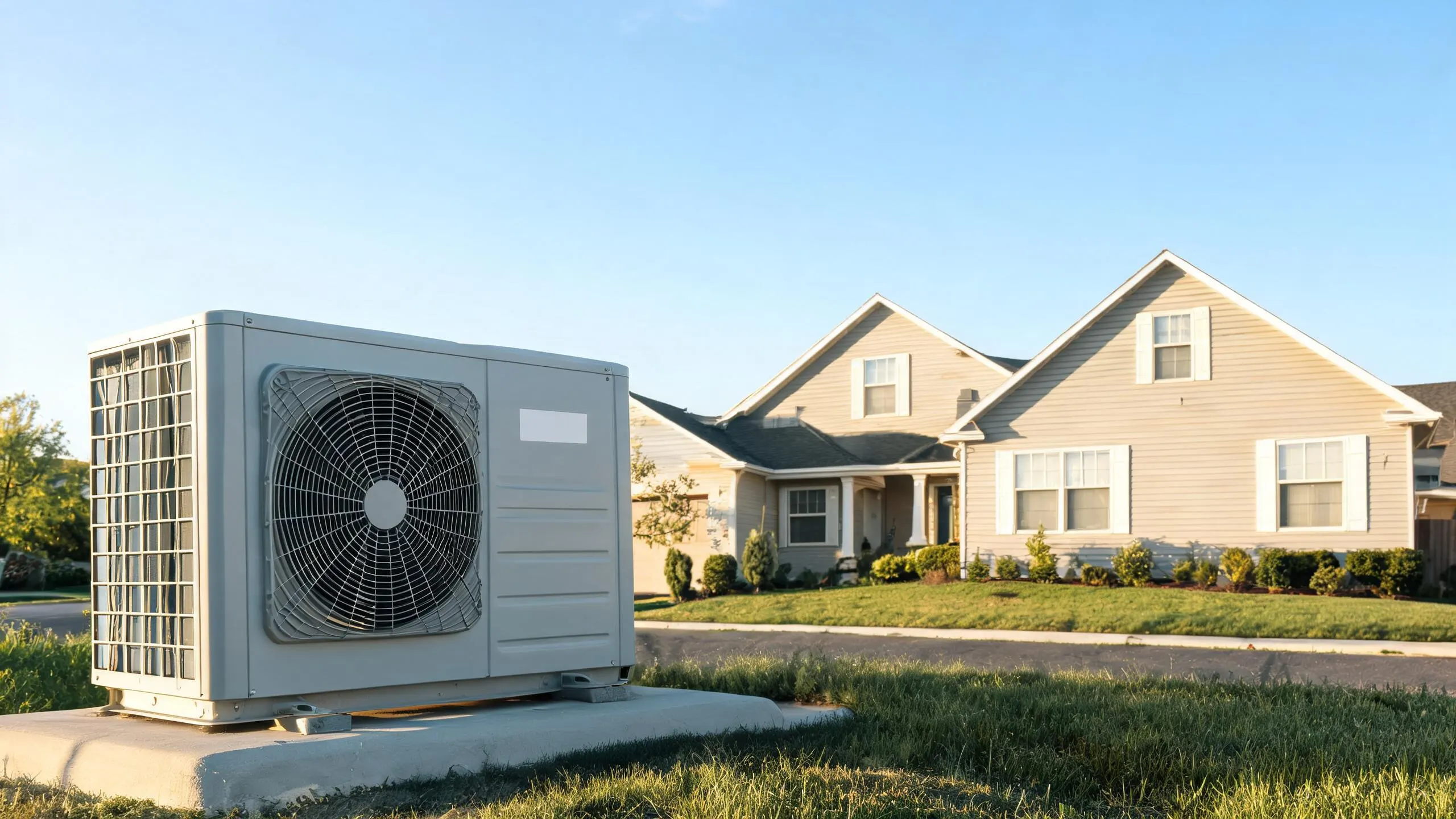
Your heat pump runs from November through March to keep the house warm, then switches over and runs May through September to cool it. That is 10 months a year with barely a break. On nights that average 34°F, the unit has to pull heat out of cold outside air, and it works hardest right around freezing, when frost builds on the outdoor coil and the system has to stop and run a defrost cycle to clear it. Do that enough times a season and the reversing valve or the defrost control are what tend to give out, and you will notice the outdoor unit running but blowing cold air, or ice that does not clear on its own.
Etowah County has seen 71 damaging wind events over the past ten years, and storms like that put dirt and debris straight into the outdoor unit and knock power out behind them. Statewide, 18% of Alabama households lost power for 24 hours or more in 2024. Most heat pumps come back on by themselves once power returns, but a surge on the way out can still take out the control board, so if the system won't start after an outage, that board is the first place a contractor will look.
- 5 months
- November through March, your system heats
- 5 months
- May through September, it cools
- 34°F
- the average winter night it heats against
- 89°F
- the average summer afternoon it cools against
NOAA nClimDiv, 1991–2020 normals
Alabama requires HVAC contractors to hold a state license.
That license is issued by the Alabama Board of Heating, Air Conditioning & Refrigeration Contractors, and it covers the contractor, not each individual job.
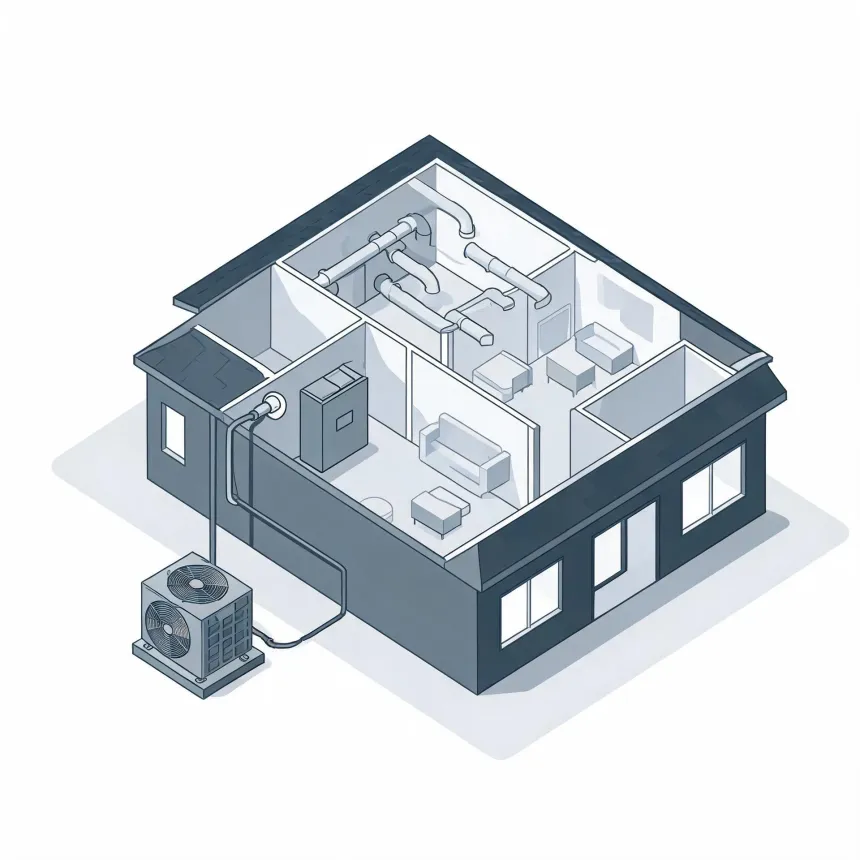
A heat pump repair usually means opening the refrigerant side of the system, whether that is checking the charge or working on the reversing valve or the coil. Federal law requires EPA Section 608 certification for that work, in every state, on top of the Alabama license. On a job like this, both the contractor's license and the technician's federal certification apply.
Source: Alabama Board of Heating, Air Conditioning and Refrigeration Contractors
- Why is my heat pump blowing cold air?
- In heating mode, a heat pump's air can feel cool even when it's working right, since the air coming out is warmer than the room but still well below body temperature. If the air is truly cold with no warmth to it at all, the system may have lost refrigerant, the reversing valve may be stuck in the wrong position, or the outdoor unit may be frozen over. A contractor can check the refrigerant charge and test the reversing valve to find out which it is.
- Why is there ice on my heat pump?
- Some frost on the outdoor unit during a defrost cycle is normal, especially on cold nights when it dips toward 34°F. The unit should clear that frost on its own every so often by briefly reversing into cooling mode. If the coil is covered in thick ice that never melts off, the defrost control may have failed, airflow across the coil may be blocked, or the refrigerant charge may be low. Left alone, a heat pump running iced up can damage the compressor, so it's worth having a contractor look at it.
- Why is my heat pump running but not cooling?
- If the outdoor unit is running but the house isn't cooling down, start by checking the air filter, since a clogged one chokes off airflow across the indoor coil. If the filter is clean, the outdoor coil could be blocked with dirt or debris, or the system could be low on refrigerant. On a 89°F afternoon a struggling system falls behind fast, so it's worth having a contractor check the refrigerant charge and both coils before the heat gets worse.