
HVAC Installation in Gadsden, AL
A new system here will heat from November through March and cool from May through September every year. Tell us about the house, and a licensed contractor who covers Etowah County will get in touch.
Tell us about the job
It takes about a minute.

Ten months of the year, your system is working
Only two months here ask nothing of your heating or cooling. The rest of the year, one or the other is running. Winter nights average 34°F from December through February, and summer afternoons average 89°F, so whatever you install has to handle both a real winter and a real summer, not just one or the other.
Most homes in the area heat with electricity, so a storm that takes out power takes out the furnace too. Etowah County has seen 71 damaging wind events and 2 winter storms over the past ten years, and statewide, close to one in five households lost power for a full day or more in 2024. That is worth thinking about when you choose a system, since some heat when the power is out and some cannot.
- 5 months
- November through March, your system heats
- 5 months
- May through September, it cools
- 34°F
- the average winter night it heats against
- 89°F
- the average summer afternoon it cools against
NOAA nClimDiv, 1991–2020 normals
Alabama requires HVAC contractors to hold a state license.
The Alabama Board of Heating, Air Conditioning & Refrigeration Contractors tests and licenses the contractor, not the job itself. That means the person or company doing your installation carries a license the state stands behind, and the board keeps a record of who holds one. It does not mean an inspector checks this particular furnace or air conditioner going into your house.
That check comes from your local building office. In most cities and counties in Alabama, putting in a new heating and cooling system needs a permit before the work starts and an inspection once it is done. The permit is what puts a second set of eyes on the installation, separate from the license the contractor already holds.
Source: Alabama Board of Heating, Air Conditioning and Refrigeration Contractors
- When should I replace my HVAC system?
- Replace it when repairs start costing more than they're worth, or when it can't keep up anymore. A furnace or air conditioner that's needing repairs more often, especially with a repair bill that's high relative to what a new system costs, is a good candidate. Struggling to heat the house on the coldest nights from December through February, or cool it through the hot afternoons in summer, is another sign the equipment is losing capacity rather than just having an off day. If a contractor tells you a part is failing and the unit has some age on it, that's usually the point where replacing makes more sense than fixing.
- Should I replace my furnace and air conditioner at the same time?
- If both are old, yes, it's worth doing together. A furnace and air conditioner installed at the same time are matched to work with each other, and pairing an aging unit with a new one can mean the older one fails first anyway, leading to a second installation not long after the first. Homes here need heat from November through March and cooling from May through September, so both pieces of equipment get real use every year. If only one has actually failed and the other is still working fine, a contractor can tell you whether it makes sense to replace just the one or plan for both.
- What happens during an HVAC installation?
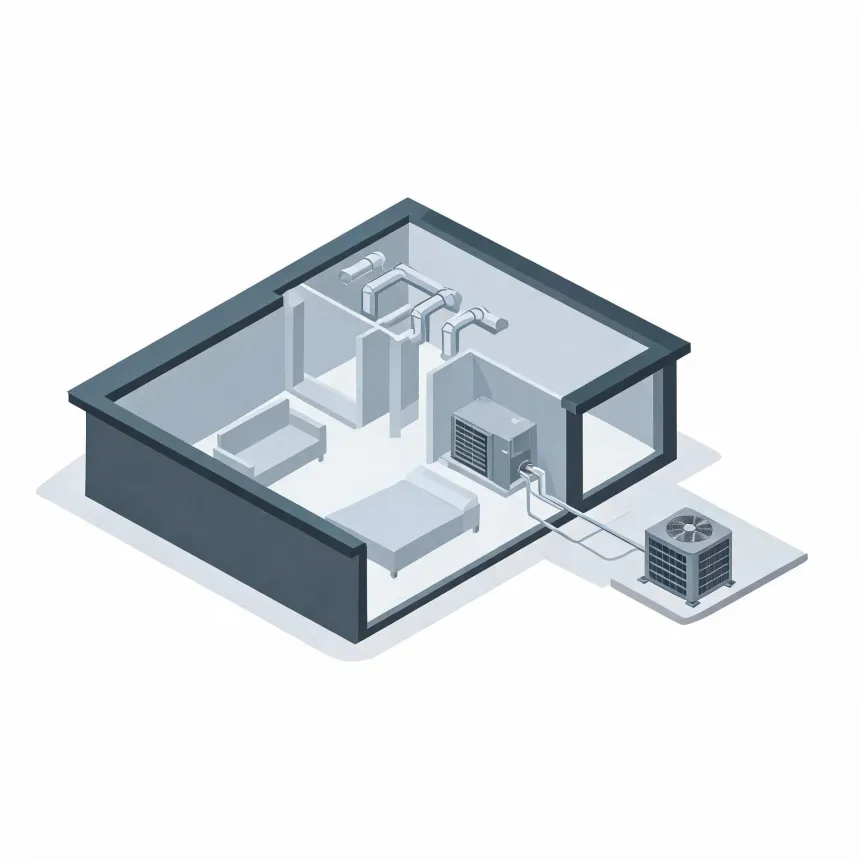
- A contractor removes the old equipment, sets the new furnace and or air conditioner in place, and connects it to the ductwork, gas or electric line, and condensate drain. The refrigerant lines get connected and checked for leaks, the electrical and control wiring gets tied in, and the system gets tested through a full cycle before the crew leaves. Ductwork gets inspected too, since even a new furnace or air conditioner can't heat or cool a house well if the ducts leak or are sized wrong. In Alabama, an HVAC contractor has to hold a state license through the Alabama Board of Heating, Air Conditioning & Refrigeration Contractors, so ask to see it before work starts.