

Birds nesting in a dryer vent in Huntsville, AL
Send it once and finding someone is no longer on you.
Let a pro reach outWhy are birds nesting in my dryer vent?
You went outside to check on something and heard chirping, or saw grass and twigs poking out of the vent cover on your wall. Maybe the flap won't close all the way anymore, or your dryer has been taking longer to finish a load than it used to. Birds get into dryer vents more than people realize, and once they've settled in, the vent stops doing its job the way it should.
Birds nest in dryer vents because the vent looks like a hollow tree to them
A dryer vent is a dark, enclosed tube that opens to the outside, which is exactly what a bird looks for when it wants a safe spot to raise a brood. Starlings and sparrows are the usual culprits, and spring is when they go looking. If the flap on your vent hood is bent, missing, or doesn't seal tight, it's an open invitation. Once a bird gets in and starts building, twigs and grass block the airflow your dryer depends on. That means longer dry times, a dryer that runs hotter than it should, and lint with nowhere to go but back into the duct, which is a fire risk. The nest has to come out before the vent can work right again.
Why the flap stops working
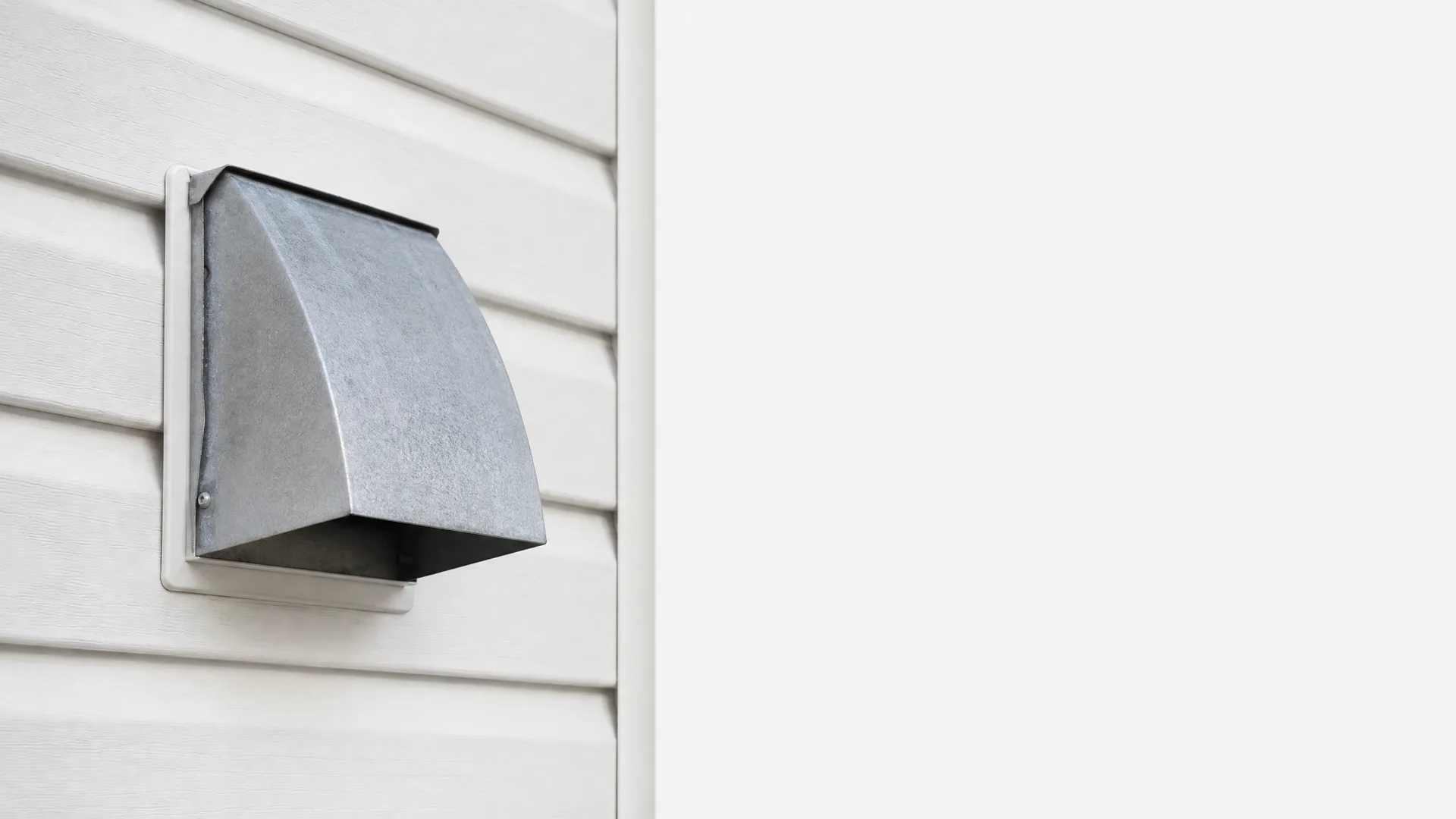
The vent cover on your house has a flap that's supposed to swing open when the dryer runs and close the rest of the time. Birds build against that flap, and once there's a nest wedged behind it, it can't seat shut anymore. That gap stays open year round, and it's an invitation for the next bird looking for a spot, not just a one-time problem that goes away on its own.
What a blocked vent does to your dryer
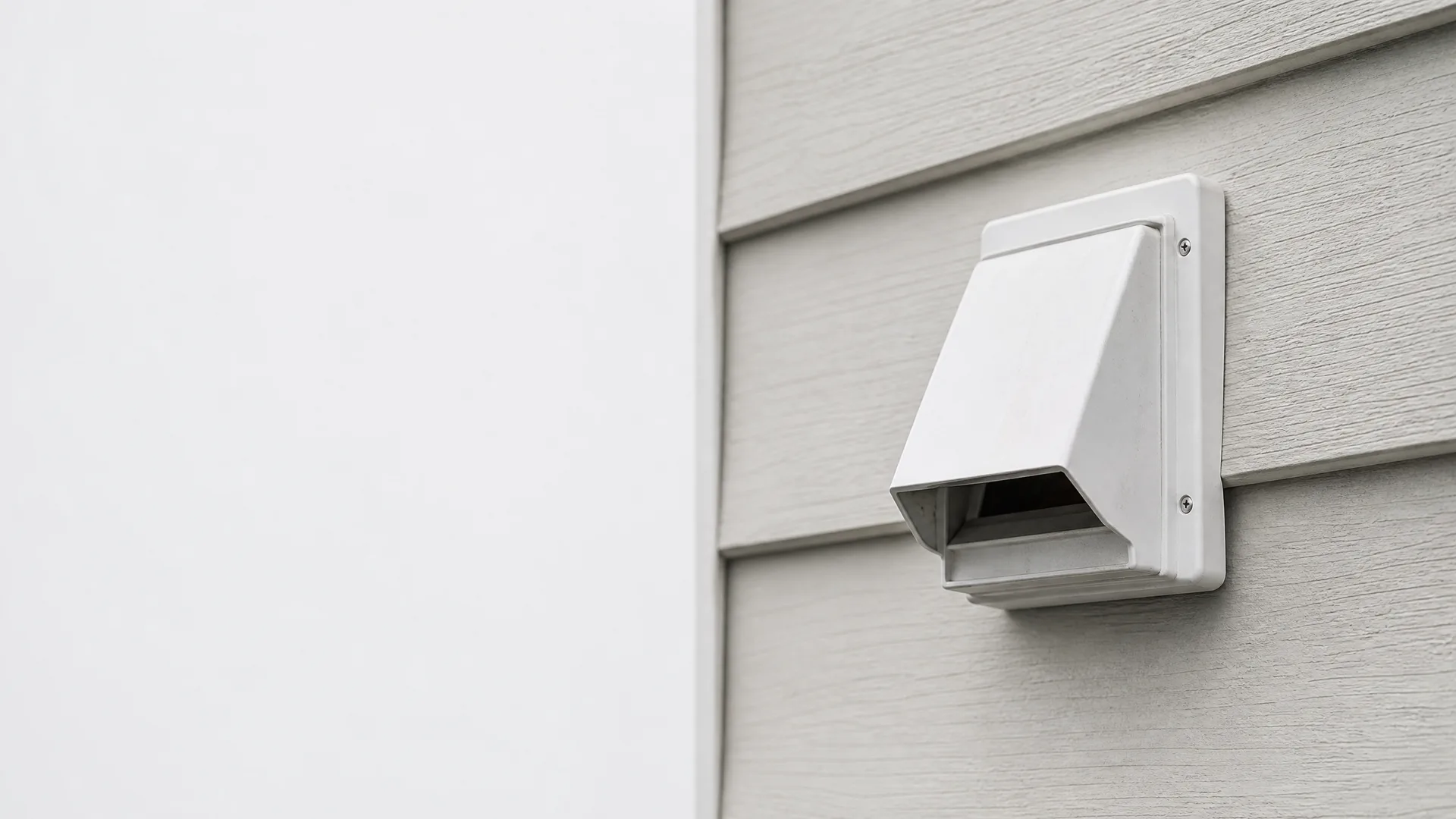
Your dryer pushes hot, damp air out through that vent duct every cycle. A nest packed into the line cuts down how much air can get through, so moisture and heat back up into the duct instead of leaving the house. That's the lint and debris nest material mixing with, and it's why a blocked vent is treated as a fire hazard, not just an inconvenience that makes laundry take longer.
Why does this keep happening at your house?
2.39 people per household on average
Madison County households average 2.39 people, which usually means a dryer running most days. A vent that gets used often stays warmer, and birds look for that warmth when they're picking a spot to build.
Half the homes here were built by 1992
Half the homes in Madison County went up in 1992 or earlier. Vent covers from that era are more likely to have a flap that's worn, bent, or already loose enough for a bird to push through.
Power here costs 12.48 cents per kilowatt-hour
Electricity here runs 12.48 cents per kilowatt-hour, cheap enough that most homes heat and dry with it freely. A vent packed with nesting material makes the dryer work harder and run longer to do the same job.
ACS 2020-2024 · EIA-861 2025
What a nest does to the vent
- A nest packed into the vent run blocks the path hot, wet air needs to escape the dryer.
- Lint still builds up behind the blockage, and lint is what actually catches fire if the vent gets hot enough.
- The dryer works harder to push air through a clogged line, which is why a cycle that took 40 minutes starts taking over an hour.
- Twigs and grass caught in the flap keep it propped open, giving mice and insects a way into the wall from outside.
- Exhaust that can't vent outside carries moisture back toward the dryer drum and the duct seams instead of leaving the house.
- A nest built early in spring can still be there come fall, since birds often reuse a site that worked once.
A dryer vent is a straight shot for hot, wet air to leave the house. Once a bird packs it with twigs and grass, that air has nowhere to go. It backs up into the duct, and the moisture that should be leaving your house with the exhaust stays in the line instead, working its way back toward the drum and the seams.
Lint doesn't stop building up just because the vent is blocked. It keeps collecting behind the nest, and lint is the material that catches if the vent runs hot enough. A blocked vent and a dryer that keeps heating is the combination that matters here, not the nest by itself.
You'll likely notice it in how the dryer runs before you ever see the nest. A cycle that used to take 40 minutes starts running past an hour, because the dryer is pushing against a line that's partly or fully closed off. The motor and the heating element both have to work harder to move the same load of air.
The flap on the vent cover is supposed to close once the dryer shuts off. Twigs and grass jammed in behind it prop it open, and an open flap is an entry point, not just for the bird that built there but for mice and insects coming in off the wall. And a nest that worked once tends to get used again. Birds that built there in spring often come back to the same spot in fall, so clearing it out once doesn't always mean it stays clear.



A bird carries twigs and grass into the open vent hood.
The nest wedges behind the flap so it can't swing shut.
Lint keeps blowing out but now catches on the nest material.
The packed vent blocks airflow and the dryer runs hotter and longer.




Let someone else find the pro
A nest in the vent does not come out with a broom handle or a shop vac from the inside. Someone has to get to the hood on the outside wall, pull the nest and the packed lint out of the full run, and check that the flap swings and seats again once it's clear. That is a different job from a basic lint cleaning, and not every dryer vent cleaner wants to deal with a nest, especially if birds are still working on it. Finding that out usually means calling around Huntsville, describing the chirping and the flap that won't shut, and asking each one if they handle nests or just lint. Send the request once and that search stops being yours to run. Your dryer is still taking longer than it should, and the blocked air has to go somewhere in the meantime. The sooner someone is looking at that vent, the sooner the nest is out and the flap is doing its job again.
What this does to your dryer
A load that used to come out dry in one cycle now needs two, or it finishes damp and you run it again. That's not the dryer wearing out, it's the vent trying to push air past a nest and a wad of lint that's caught on it. The motor and heating element work the same as always, but the air has nowhere to go, so the drum stays wet longer than it should. Check the outside hood while a load is running. If you don't feel much air moving against your hand, or the flap is sitting open with nothing pushing it, that's the blockage showing itself from the outside.
Why it's worth clearing now
Lint is what burns, and a blocked vent gives it somewhere to collect that it wouldn't otherwise. The nest holds it in place against the hot air coming off the dryer instead of letting it blow outside where it belongs. The longer a vent stays blocked, the more lint builds up behind that nest, and the hotter the air sits inside the duct run with no place to go. None of this depends on how old your dryer is or how the house was built. It comes down to whether the vent can still move air the way it's supposed to, and right now yours can't.


Leave the nest alone and hope it clears on its own, and you're running a dryer against a blocked vent every load until someone pulls it out.
Get the vent cleared and the flap moving again, and the dryer goes back to pushing air straight outside where it belongs, one cycle at a time.
2.39 people per household on average
At 2.39 people, most houses here are running a load most days of the week, not once a month. That steady warm air from the vent hood is exactly what a bird is checking for when it's picking a place to build.
ACS 2020-2024
A nest in the vent is why the flap won't seat and why loads are taking longer to dry. Clearing it means getting to the hood on the outside wall, pulling the nest and the lint packed in behind it, and checking that the flap swings free again. That's not something a broom handle or a shop vac reaches from inside the house. Instead of calling around Madison County asking who does this kind of work, explaining the chirping and the stuck flap to each one, and sorting through different quotes before you pick someone, you can send one form and let someone else carry that search. The dryer isn't broken. The vent is blocked, and once it's cleared, air goes back to moving straight outside the way it's supposed to, and your dryer stops working around a nest to get a load dry.

One request and it's handed off