
Dryer taking too long to dry in Tuscaloosa, AL
A dryer that takes two or three cycles to get clothes dry almost always has a clogged vent. Lint builds up along the duct run until the moist air from each load can't push out of the house fast enough, so the dryer keeps heating and tumbling without finishing the job. In Tuscaloosa's humid summers that moist air has an even harder time leaving a blocked vent, which stretches drying times further than you'd see in a dry climate. Check the outside vent hood while a load is running. If you feel only a weak puff of air instead of a strong, steady flow, the duct is restricted somewhere between the dryer and the wall. Left alone, the dryer works harder and runs hotter every load, and lint sitting in a warm duct is a fire risk. A full vent cleaning clears the line and brings drying time back to normal.


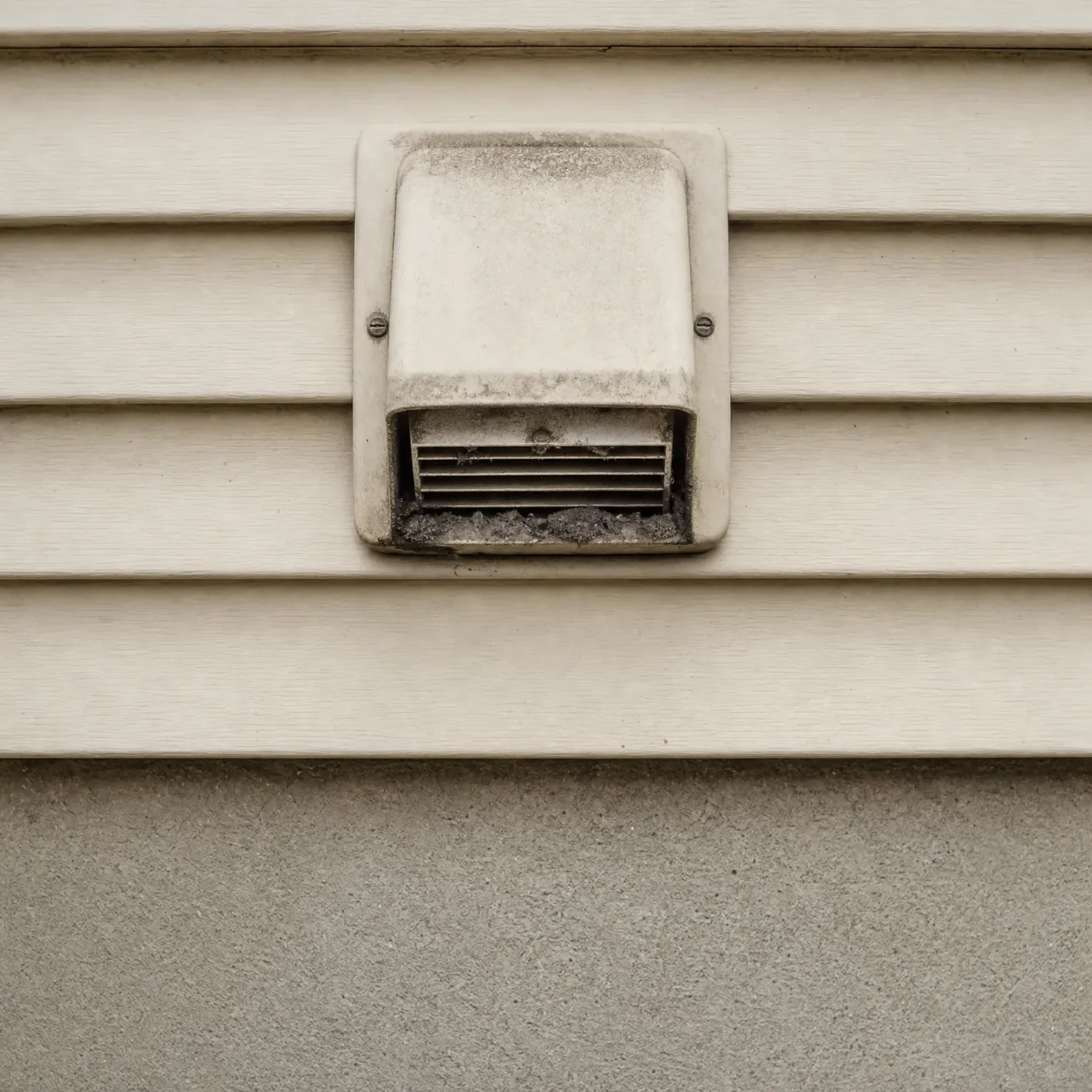
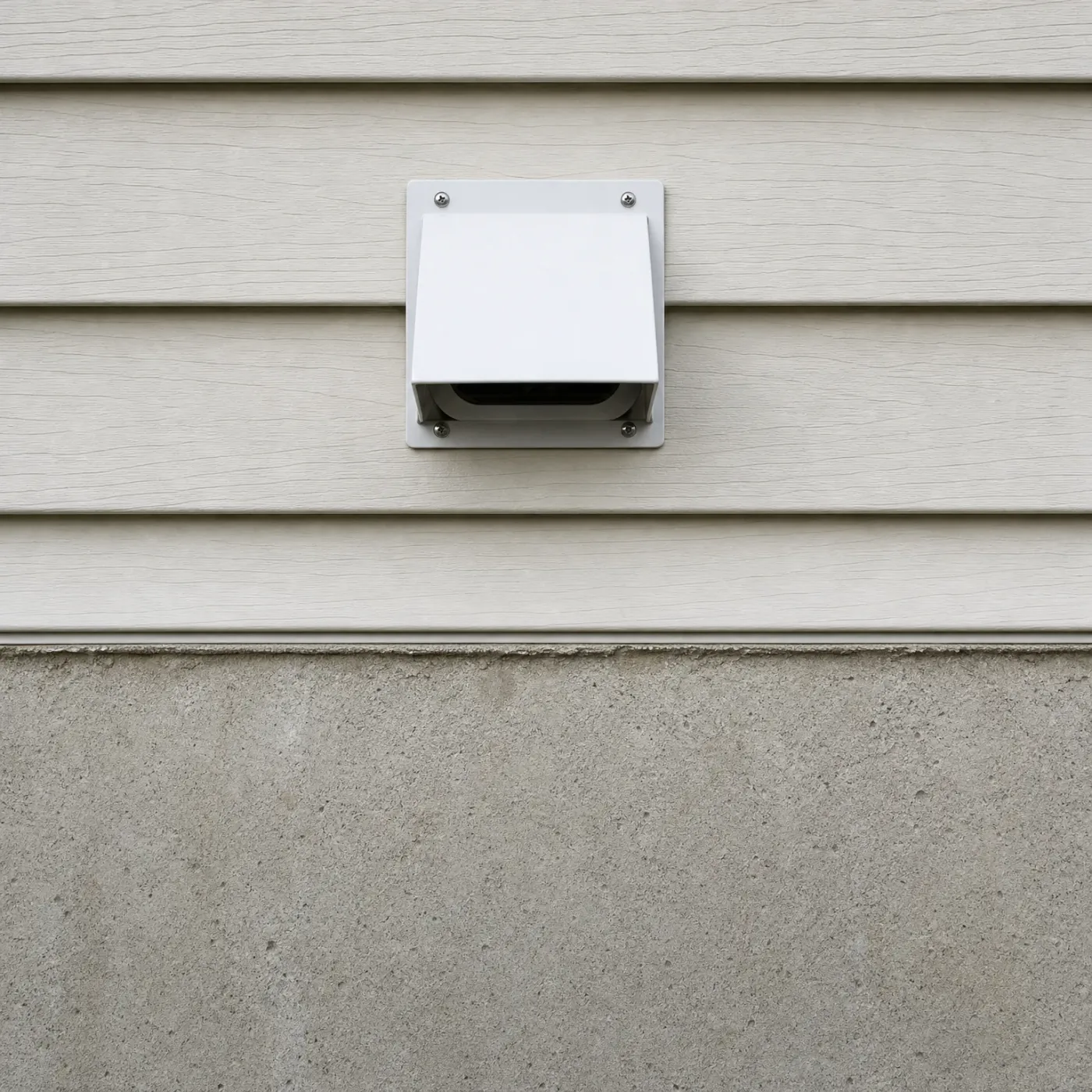
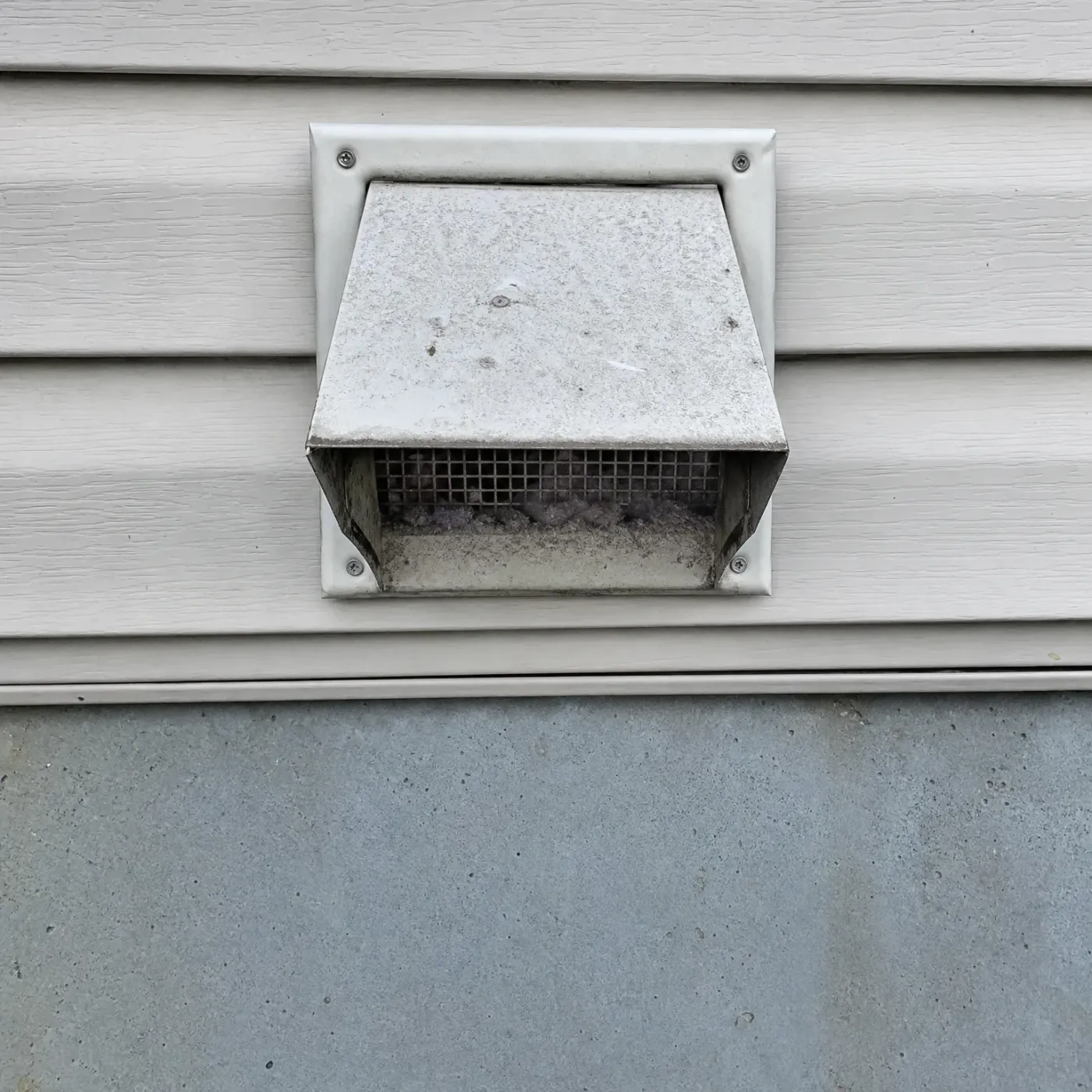
The hood on the outside of your house has a flap that's supposed to swing open every time the dryer runs. If it barely moves, air isn't getting through. Lint doesn't stop at the duct opening either. It packs in along the way, building up fastest at elbows and turns, which is why a vent with a couple of bends clogs sooner than a straight shot to the wall. The screen in the dryer door helps, but it only catches part of the lint. The rest travels with the air into the duct and settles there, load after load. None of this shows up as a mess you can see. It shows up as a dryer running hotter than it should, because the heat it's supposed to push outside has nowhere to go but back into the drum with your clothes. Sometimes the blockage isn't lint at all. A hood left uncapped is an opening a bird or squirrel can use to build a nest, and from inside the house that looks exactly like any other clog.
How the Vent Actually Clogs
- Every dryer vents to the outside through a hood with a flap, and that flap should swing open when the dryer runs.
- Lint doesn't only collect at the hood; it packs into the duct itself, especially at every turn or elbow in the run.
- A long vent run or one with several bends loses airflow faster than a short straight one, no matter how clean the lint trap is.
- The lint screen in the door only catches a fraction of what the dryer puts out, so the rest rides the airflow straight into the duct.
- A dryer fighting a clogged vent runs hotter than it should, since the heat has nowhere to go but back into the drum.
- Birds and small animals nest in vent hoods left uncapped, and that blockage looks the same as a lint clog from inside the house.
Why does your dryer vent clog up so fast?
2.47 people per household on average
With 2.47 people in the average household here, laundry runs often, and every load pushes more lint through the same duct run.
Half the homes here were built by 1992
Half the homes in the county were built in 1992 or earlier, and older duct runs are more likely to use the long metal runs or elbow turns that trap lint.
Power here costs 17.62 cents per kilowatt-hour
At 17.62 cents per kilowatt-hour, a dryer running two or three cycles to finish one load costs you more here than it would somewhere with cheaper power.
ACS 2020-2024 · EIA-861 2025
What a clogged vent costs you
Tuscaloosa's air carries a lot of moisture most of the year, and a dryer already has to push that damp heat out through the vent before a load can finish. When lint has narrowed the duct, the dryer can't move that air out fast enough, so it keeps running past the point where the clothes should be dry. You end up paying for a second or third cycle on top of the first, and with power rates here, that extra run time shows up on the bill every laundry day, not just once.
Why heat alone won't fix it
A longer cycle or a hotter setting doesn't solve a blocked vent. The dryer is already producing enough heat; the problem is that the moist air has nowhere to go. Running it longer just adds more heat and more tumbling against the same restriction, which wears on the heating element and the motor without getting clothes any drier. Clearing the duct run restores the airflow the dryer was designed around, and that's what brings the cycle back down to one pass through.




It's off your list after this
The pro who gets in touch is licensed in Alabama and works in Tuscaloosa County.
Send the form and finding a dryer vent cleaner is handled.
Sending the form costs nothing.
Why is your dryer running so long lately?
Touch the dryer door partway through a cycle and it feels hotter than it used to, almost too hot to hold your hand on. The top of the dryer or the wall behind it feels warm too. Clothes come out at the end still damp at the seams and in the pockets, so you run them again. You might notice the laundry room holds onto heat and a faint burnt-dust smell long after the cycle ends. Lint shows up in places it shouldn't, around the hood outside or behind the machine. Left alone, a vent that's this blocked keeps the dryer running hotter than it's built for, load after load, and that heat has nowhere to go but back into your house.

Lint peels off clothes and rides the exhaust air down the duct
It catches on screws, seams, and the elbows in the run
Layers build up until the duct opening narrows season after season
Moist air backs up and the dryer runs load after load
Clean It Now or Keep Running Extra Cycles
Clean the vent now
- A cleaning clears the duct from the hood to the dryer, so the airflow that's been fighting lint gets a clear path again.
- Most loads go back to one cycle once the restriction is gone, since the dryer no longer has to push damp air through a narrowed duct.
- The dryer stops running as hot, which matters because that heat has been building up against a clog, not just inside the drum.
- A local contractor who works on vents all season knows which elbows and runs tend to pack first and checks those spots first.
- Catching it now means less lint sitting against the duct walls and less strain on the dryer's heating element and motor.
- One visit addresses the whole run, hood to connector, instead of just the parts you can reach yourself.
Wait it out
- The clog doesn't clear on its own. Every load adds more lint to what's already packed in the duct.
- Cycles keep stretching, so you'll spend more time running the dryer two or three times for clothes that used to dry once.
- The dryer keeps heating longer than it should to push air through a narrowing duct, and that heat has nowhere to go but back toward the machine.
- Humid stretches make it worse, since the dryer is already working against damp outside air on top of the blocked exhaust.
- A hood flap that barely moves is a sign the screen behind it is already packed solid, and that only tightens over time.
- The longer lint sits in the duct, the more of the run a contractor has to clear once you do call.
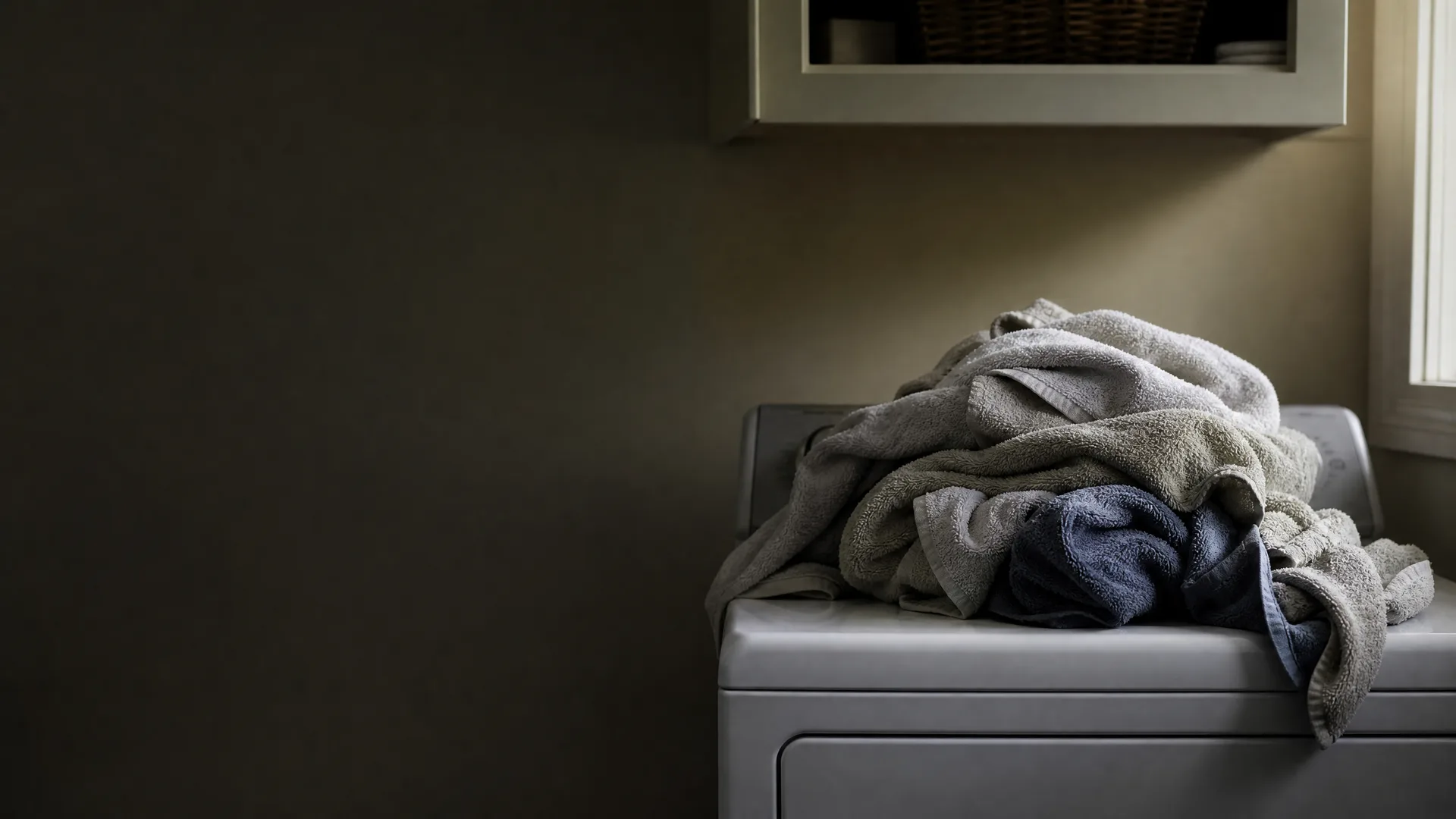
It's almost nine on a Tuesday and you've started this same load three times now. You pull the door open and the towels on top are still heavy and damp, cooler than they should be after that long in there. The rest of the pile sits in the basket by your feet, waiting its turn. You press them against your cheek out of habit, the way you always check, and set them back on top of the dryer instead of folding them. The air in the room feels thick, warmer than the house around it. You start the dryer again and head back to whatever you were doing before, leaving the towels stacked there for another forty minutes.
2.47 people per household on average
With 2.47 people in the average Tuscaloosa County household, that dryer is likely running most days of the week, not once or twice. Every one of those loads pushes more lint through the same duct. A vent that clears fine with light use falls behind fast with a full house doing laundry daily.
ACS 2020-2024
The Fix Is Straightforward
- A dryer running two or three cycles instead of one points to a clogged vent, not a failing machine.
- Clearing the duct from the hood to the dryer gives that moist air a path out again, so loads finish on the first try.
- A tech who services vents in Tuscaloosa County all year knows which elbows and runs clog fastest in homes like yours.
- You get matched to one licensed local contractor for this job, not a handful of companies competing for your callback.
- Once the vent's clear, the dryer stops working overtime to push air through a narrowed duct every single load.
- Leaving it alone doesn't fix itself; the lint stays put and builds until the next load runs just as long.
Two or three cycles to dry one load isn't a machine problem. It's a vent packed with lint, holding damp air in the duct instead of letting it out through the hood. Clearing that path is a mechanical job, not a guess, and it's one most dryers in this county need more than once over the years with how often the average household here runs a load.
Finding someone to do it is the part that usually drags. Here, it doesn't. Send the request once and you're matched with one licensed contractor local to Tuscaloosa County, someone who works vent systems like yours all season and already knows which elbows and runs tend to pack tightest in homes around here. No list of companies to sort through, no round of calls to make before you find someone who'll show up. Just the one contractor, suited to this job.
Once that duct is clear from the hood to the dryer, the air that's been backing up has somewhere to go. Loads stop running hot and heavy and start finishing the way they're supposed to, one cycle instead of three. None of that happens on its own. The lint that's slowing things down now stays put until someone clears it, and every load between now and then keeps pushing more in behind it.
You caught this early, which is the part that matters. A dryer that's taking too long is telling you something before it turns into a bigger repair. Acting on it now is the easy end of this problem to be on.





Stop chasing a dryer vent pro
A licensed pro who works in Tuscaloosa County gets your request.
You're not committing to anything by asking.