




Birds nesting in a dryer vent in Daphne, AL

Get matched with a pro who works on dryer vents in Baldwin County.

Find a pro near me

Why do birds keep nesting in my dryer vent?

You keep pulling twigs and grass out of your dryer vent, or a bird flies out when you finally open the hood. It happens more than once because the vent still looks like a good spot to a bird even after you've cleared it out. You want to know why they pick that spot and what actually stops them from coming back, not just this time.

Your dryer vent looks like a ready-made nest spot, especially when the flap doesn't seal

A dryer vent hood has a flap that's supposed to stay closed between loads, but a lot of them sit propped open from built-up lint or a weak spring. To a bird, that's a dark, sheltered opening at just the right height, out of the wind and off the ground. Once one nest gets built and cleared, the vent still smells and looks like a nest site, so another bird moves in. In Daphne, spring brings birds looking for exactly this kind of spot, and the mild winters here mean nesting activity isn't limited to just a few months. Lint buildup inside makes it worse, giving birds soft material to work with and narrowing the duct further once they do.

A woman in a cream cowl-neck sweater stands in a lamp-lit room looking out a window at a snow-covered yard with shrubs and bare trees at dusk.
A woman in a gray turtleneck sweater stands near a large window in a lamp-lit living room, looking out at falling snow and snow-covered conifers.
A woman in a chunky knit sweater stands by a large window looking out at snow-covered ground, with a dimly lit living room containing a gray sofa, framed artwork, shelves and table lamps behind her.
A woman in a gray turtleneck sweater stands in a dimly lit living room with a lamp and bookshelves, looking out a multi-pane window at falling snow.

The hood on the outside of your house is supposed to keep the vent closed when the dryer isn't running. It's a flap, hinged at the top, that only opens when air is pushing out behind it. Once it stops closing all the way, whether from a bent flap, a broken hinge, or just lint built up where it hinges, there's a gap, and a bird sees a spot to build in. Most nests end up right at that opening, against the wall, not pushed back into the ductwork itself. That's actually good news. It means the blockage is usually within reach, not buried deep in the line. But it still stops the dryer from venting the way it should, so you get wet clothes, a hot laundry room, or a burning smell as the heat and lint have nowhere to go. Spring is when this tends to start, since that's when birds around Daphne are hunting for places to nest, and a vent that's been sitting open since winter is an easy find. A screened cover solves the bird problem, but only if it's checked now and then so lint doesn't clog it the same way a nest would.

How Birds Get Into the Vent

  • A dryer vent hood with a damaged or missing flap swings open on its own, and that gap is all a bird needs to get inside.
  • Birds build nests against the outer wall of the vent, near the hood opening, not deep inside the duct run.
  • Lint caught on the flap hinge or screen keeps the flap from closing flush, which is often what let the first bird in.
  • A nest blocking the hood forces the dryer to push hot, damp air back up the duct instead of outside.
  • Spring is when most birds here start looking for a nesting spot, so a vent that sat open all winter gets found fast.
  • A vent cover with a screen keeps birds out but needs to stay clear of lint or it blocks airflow the same way a nest would.
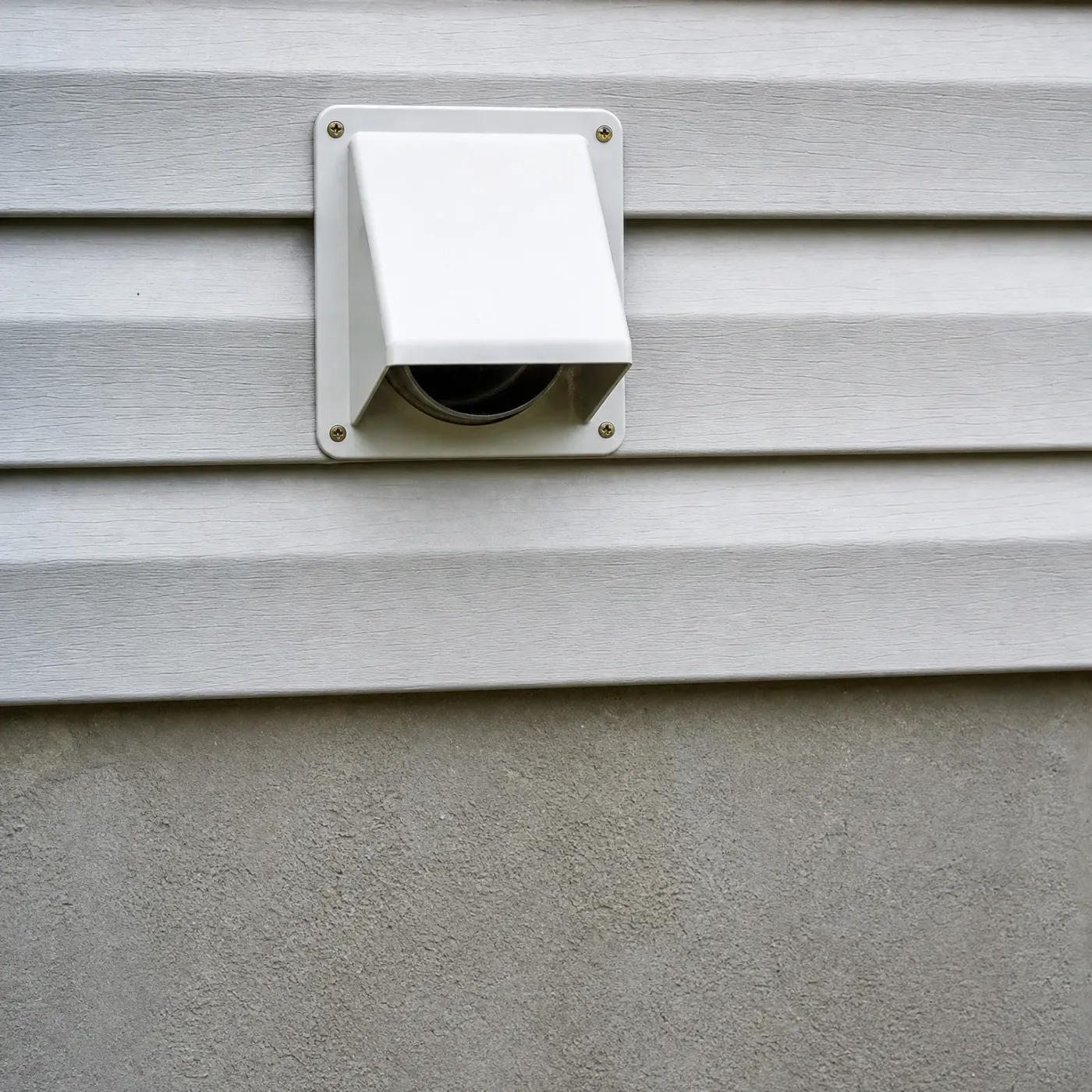
A white hooded dryer vent with a square mounting plate screwed onto light gray horizontal vinyl siding, above a gray stucco-textured lower wall.
The flap sits flush and swings freely, with no twigs or grass caught in the hinge to prop it open.
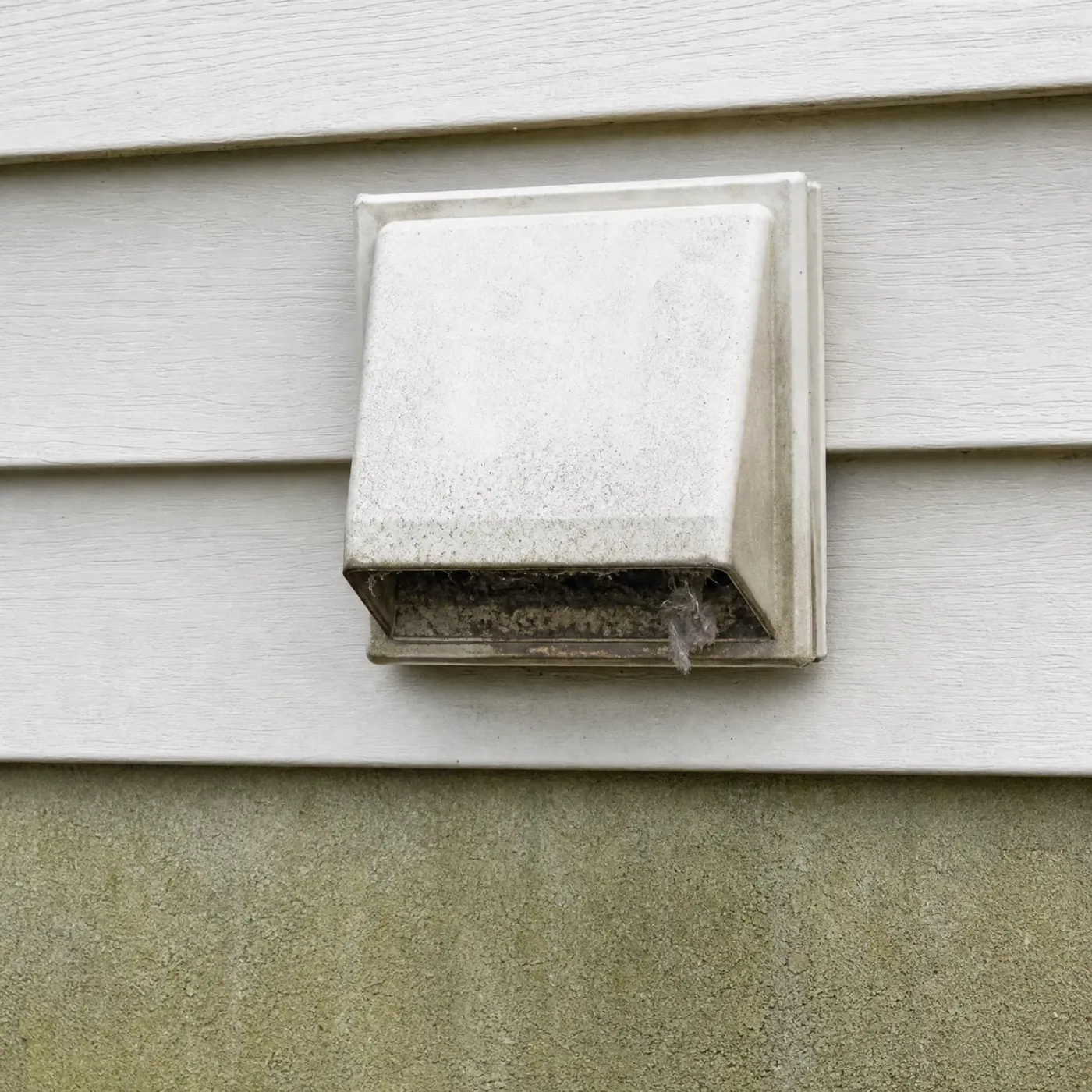
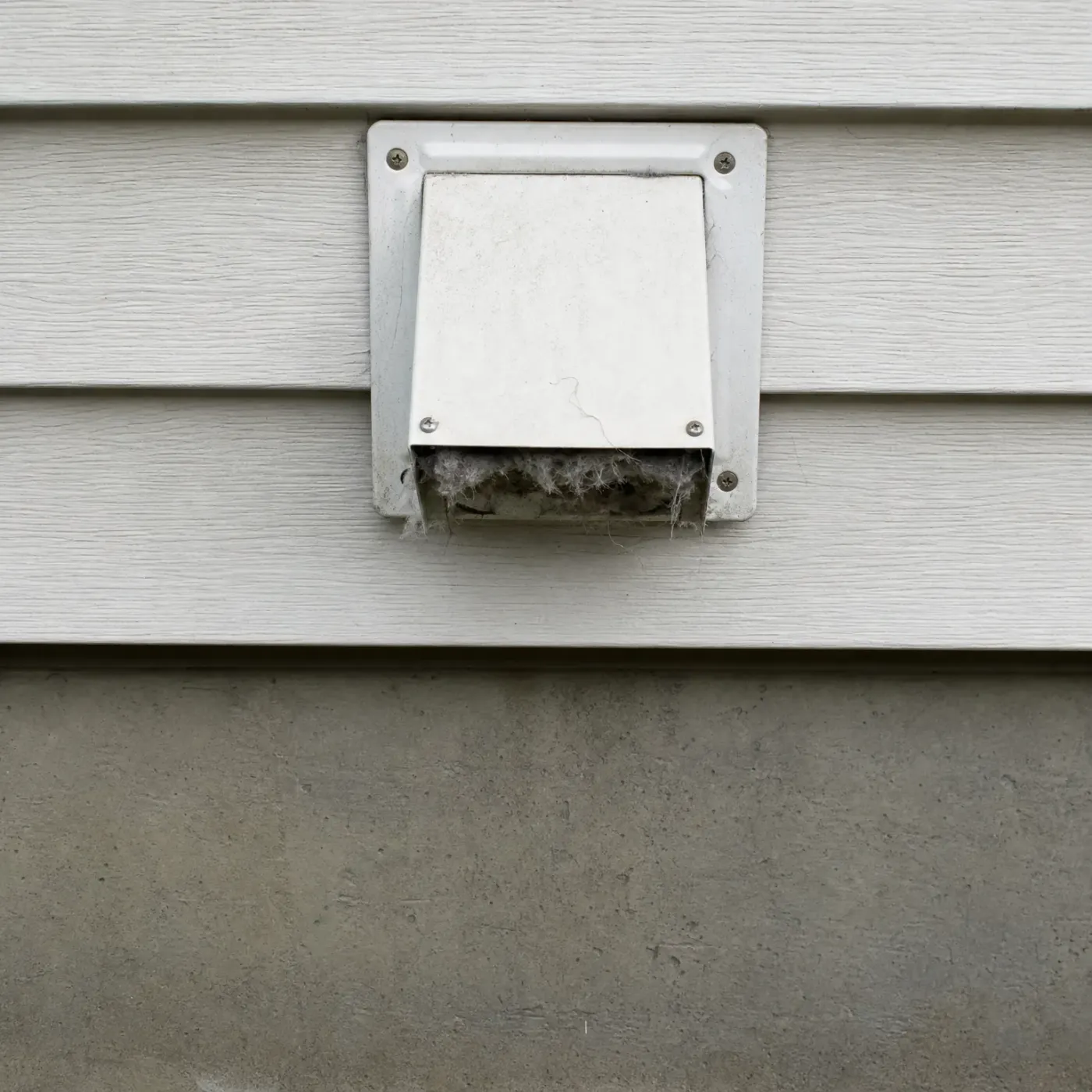
A white plastic dryer vent hood mounted on light-colored horizontal lap siding, with lint caught in its lower opening and a green-stained foundation wall below.
Lint is already packed into the opening and a flap that won't close all the way is an open invitation to nest there.

Why does my house keep attracting nesting birds?

  • 2.47 people per household on average

    With 2.47 people in the average Baldwin County household, dryers run most days of the week, so a vent sitting idle long enough for a bird to move in is rare, but it still happens fast once the flap sticks.

  • Half the homes here were built by 1999

    Half the homes in Baldwin County went up in 1999 or earlier, and a vent hood that old has likely had its flap spring weaken, which is exactly what lets birds push their way in.

  • Power here costs 13.81 cents per kilowatt-hour

    At 13.81 cents per kilowatt-hour, power here costs about what it does anywhere else, but a blocked vent still makes the dryer run longer to dry the same load, and that shows up on the bill.

ACS 2020-2024 · EIA-861 2025

A nest in the vent does more than block lint. Every load of wet laundry has to push its air through that duct, and twigs and grass packed against the hood choke off the path outside. The dryer runs longer to dry the same load, and the motor and heating element work harder to make up for it. Moisture that should vent outside can back up into the duct instead, and over time that trapped damp air works against the metal and against anything the nest material is pressed up against. A dryer that normally finishes in one cycle might need two. You may notice the laundry room feels warmer or more humid than it used to, or the outside hood stays shut even when the dryer is running, a sign air isn't getting through. There's also the fire risk that comes with any blockage in a dryer vent, since lint and nesting material both burn easily once they build up around a heat source. None of this needs a bird to still be living there. An old, abandoned nest left in place causes the same problems.

A white plastic dryer vent hood with a hinged flap mounted on light grey horizontal lap siding, with lint clogging the opening beneath the flap and a concrete foundation wall below.
Before you get your dryer vent cleaning
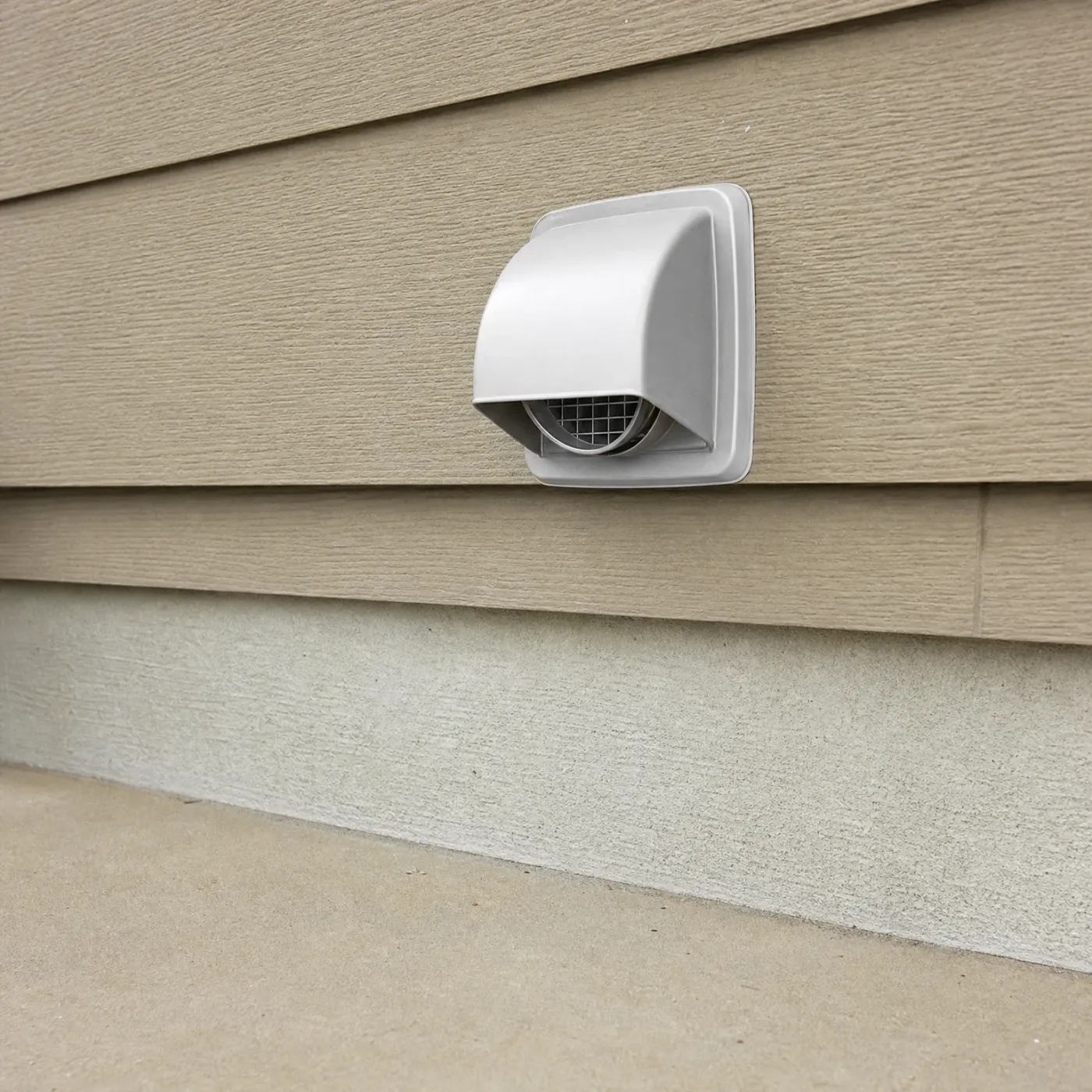
A white hooded dryer vent with a grille mounted on tan horizontal lap siding above a concrete slab.
After you get your dryer vent cleaning

Get matched with a dryer vent pro in Baldwin County

One request and the dryer vent cleaning stops waiting on you.

No fee to send it, and nothing to sign.

Why spring is the worst stretch

Birds look for a nesting spot from early spring into early summer, and a dryer vent hood offers a dry, sheltered ledge right off the ground. A flap that hangs even a little open reads as an entrance, not a hazard. Once one nest gets built and cleared out, the hood keeps its appeal, because the same gap that let the first bird in is still there unless the flap itself gets fixed or replaced. A vent on a wall that gets afternoon sun dries out any debris a bird carries in, which makes the spot even more attractive to the next one.
Why cleaning alone won't stop it

Clearing the nest out of the duct takes care of the blockage, but it doesn't touch the reason a bird got in to begin with. If the flap is bent, cracked, or missing a spring, it swings open the same way it did before. A contractor doing the cleaning can check the hood and flap at the same visit, and replacing a damaged one closes the gap a bird used the first time. Without that step, the vent is clear for now, but it's still an open door the next time a bird comes looking for a place to build.

2.47 people per household on average

With close to two and a half people in most Baldwin County households, laundry tends to run on a near daily rhythm rather than once a week. That keeps the vent flap moving and less likely to seize open for a bird to find.

ACS 2020-2024

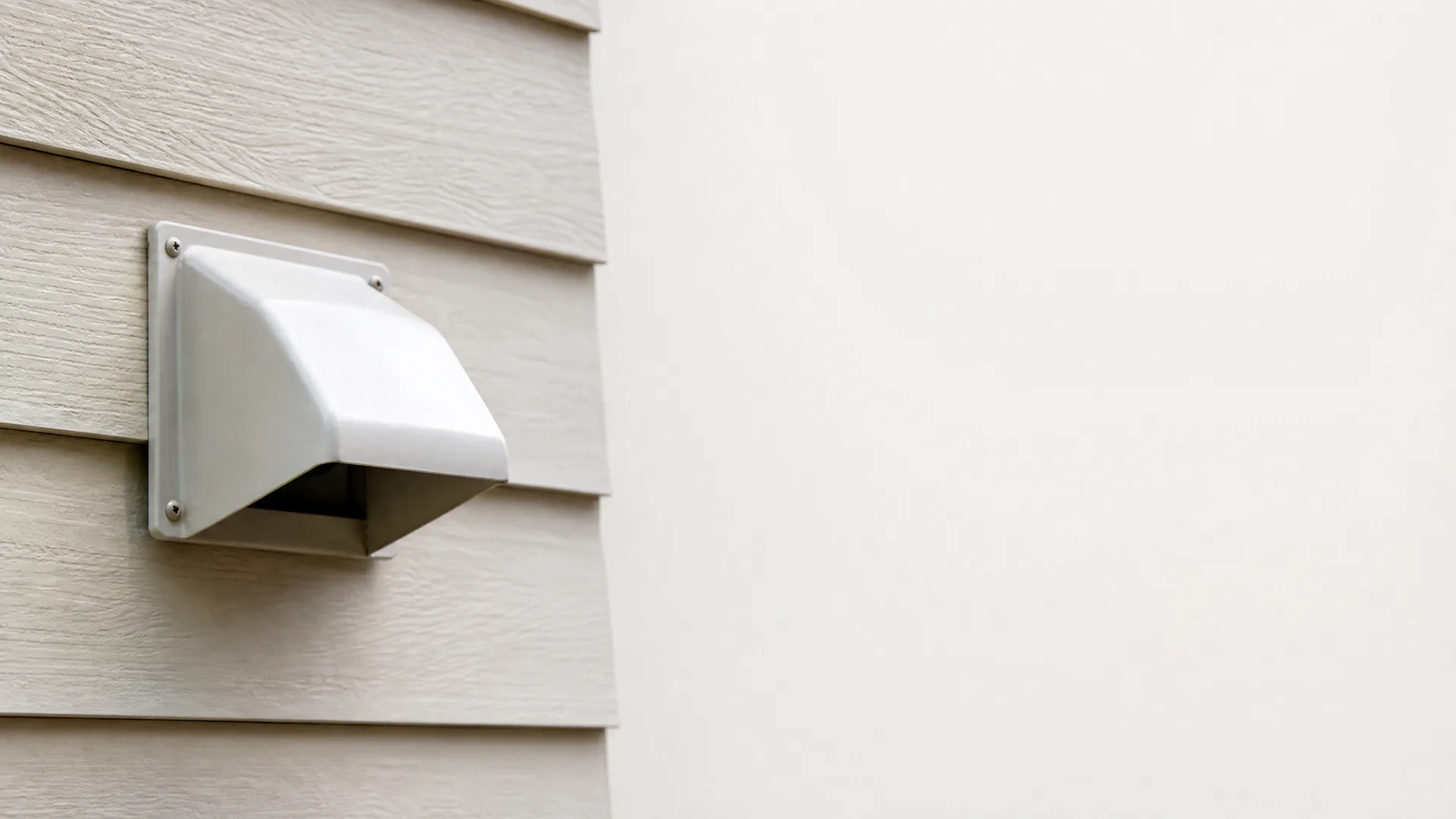
A white plastic hooded dryer vent cover mounted with screws on beige horizontal lap siding, next to a plain pale wall surface.

Cleaning out a nest yourself

Pulling twigs out of the hood with your fingers gets the visible part, but nests often pack material further back where you can't see or reach. Grass and lint left against the duct wall still blocks airflow, and a bird that found the spot once may come back to rebuild once the opening clears again. Without checking the flap itself, the gap that let the bird in the first time stays there, ready for the next one.

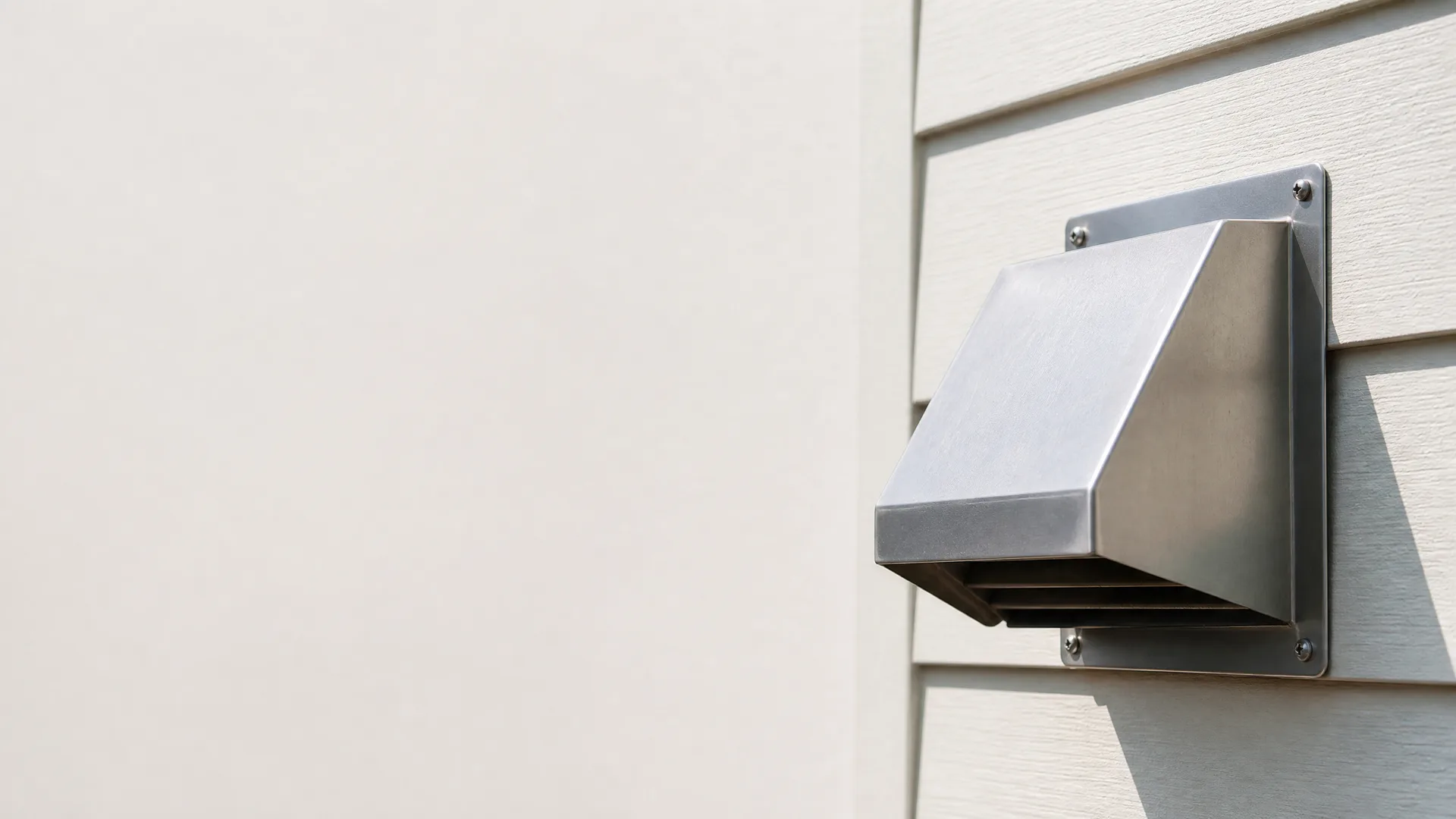
A metal louvered exterior vent hood screwed to a beige horizontal lap siding wall, with a blank light-colored surface filling the left half of the frame.

Having the vent professionally cleared

A contractor clears the duct run from the hood back to the dryer, not just the entrance, and checks whether the flap still seats and swings on its own. A damaged flap gets flagged so it can be fixed or replaced instead of propped open by debris again. That closes off the gap that drew the bird in the first place, rather than just removing what it already built.

Clearing the Nest Yourself or Calling a Contractor

DIY removal

  • You can reach the hood from a ladder and pull out what's visible in a few minutes, no appointment needed.
  • What you clear by hand is usually just the entrance, not the nest material packed back against the duct wall.
  • Without a way to inspect the full run, you won't know if lint and grass are still choking the vent further in.
  • A bird can rebuild in the same spot within days if the flap itself is bent or sticking and never gets fixed.
  • There's no equipment involved, so loose debris can get pushed deeper into the duct instead of out of it.

Professional cleaning

  • A contractor clears the full duct run, not just what's reachable from the hood opening.
  • The flap gets checked for the bend or lint buildup that let a bird in to begin with.
  • Equipment made for the job pulls material out through the vent instead of pushing it further down the line.
  • A straightened or replaced flap closes the gap that made the vent look like shelter in the first place.
  • The duct gets confirmed clear end to end, so the dryer isn't still fighting a partial blockage after the visible nest is gone.
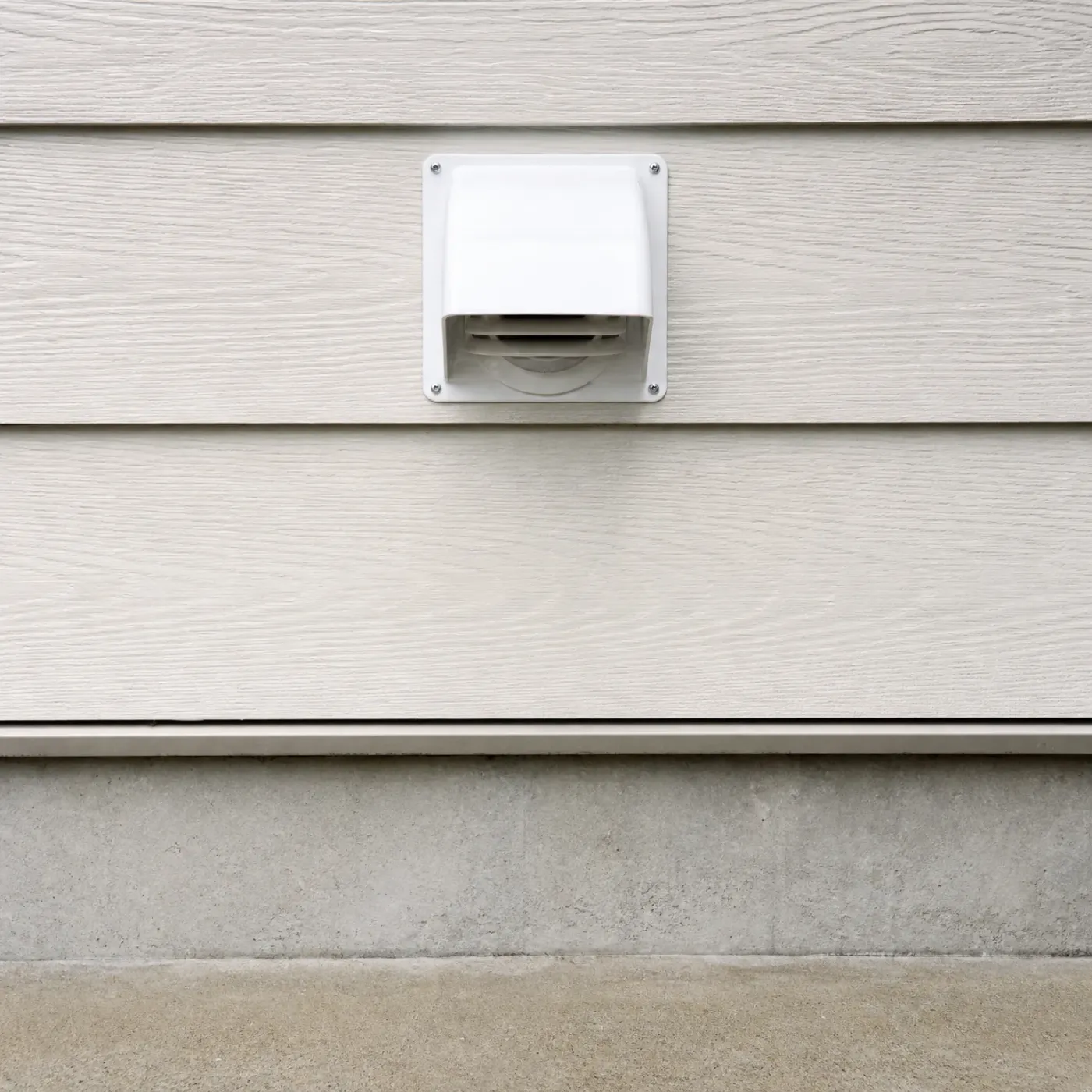
A white hooded dryer vent with a louvered flap mounted on beige horizontal lap siding above a concrete foundation wall.

A vent that's doing its job

The flap sits closed against the siding with nothing holding it open. Four screws hold the cap tight to the wall, and the louvers swing shut as soon as the dryer stops pushing air through them.

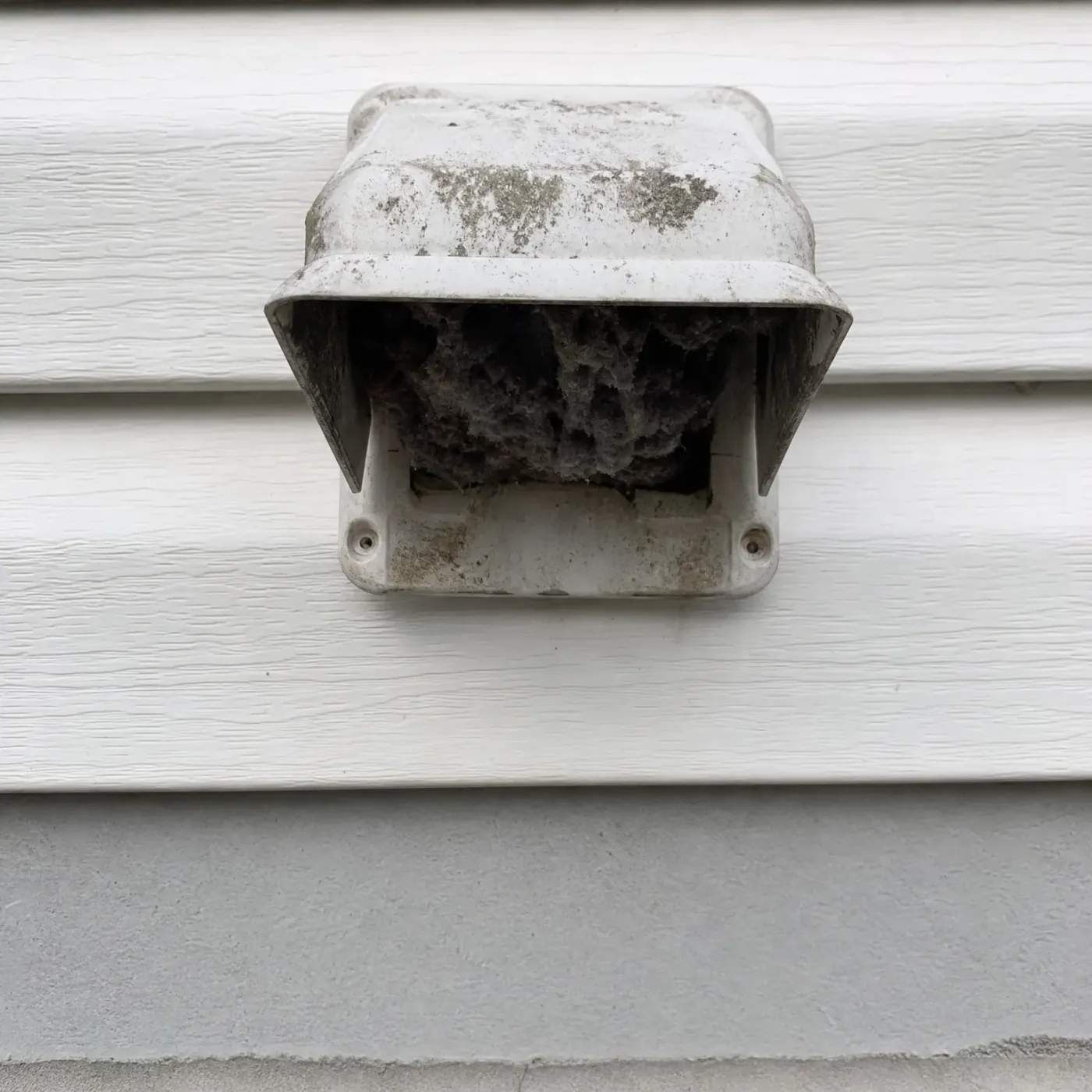
A white plastic dryer vent hood on horizontal lap siding, clogged with thick gray lint and dirt, above a lighter concrete foundation wall.

A vent a bird has claimed

Lint has packed solid across the opening and the cap itself is dark with dirt and mildew. That buildup is what props the flap open long enough for a bird to decide it's a place to build.

A man in a dark jacket and khaki pants walks through an open gate in a stone wall toward a woman standing in the open front doorway of a single-story white house with a dark shingled roof and river-rock accents.

A dryer vent should close on its own

A bird in the vent almost always comes down to the same thing: a flap that no longer shuts tight against the wall. Clear the nest, and if the flap still hangs open even a little, another bird finds it before the next storm passes through. The fix isn't just pulling out what you can reach from a ladder. It's knowing whether the duct behind the hood is clear all the way back, and whether the flap and cap are sound enough to keep the next bird out.

A contractor who cleans dryer vents for a living can check both in one visit, and tell you if the hood itself needs replacing. Send in your details and you'll be matched with someone who services Daphne and the rest of Baldwin County, and they'll reach out to go over what your vent needs. From there, the work of chasing down who to call is off your plate.

A mug and a small round vase sit on a wooden windowsill beside sheer and heavier curtains, with blurred autumn trees seen through the rain-speckled window and a sofa with cushions and a throw in the foreground.
A dark gray hooded exterior vent cover with a louvered opening mounted on dark horizontal lap siding, viewed at a steep angle.

A local pro for your dryer vent cleaning

Once you send the form, finding a pro is off your list.

Duct and vent cleaningBaldwin County, AL
Step 1 of 3

What kind of equipment?