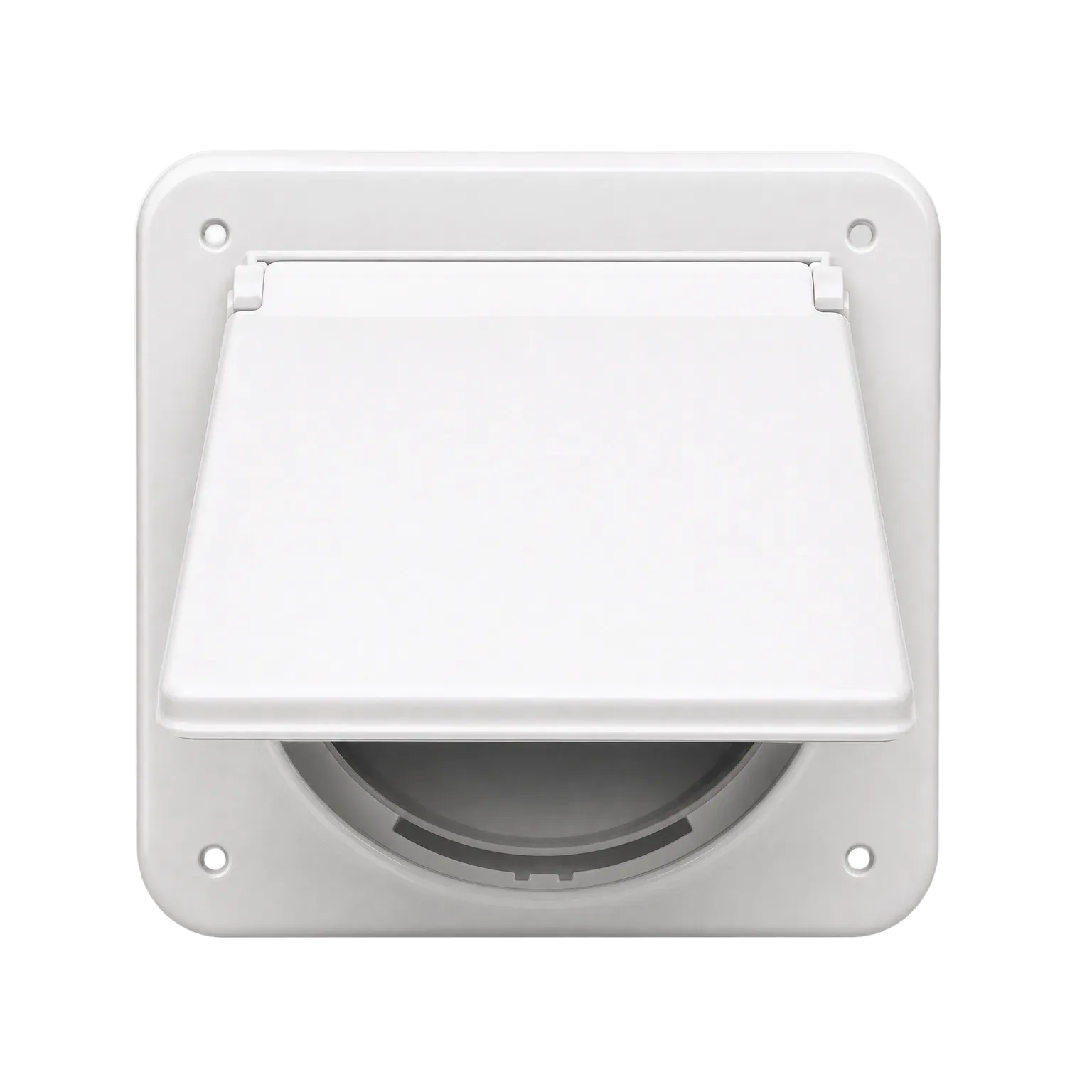
How the clog actually forms
- Lint collects at the elbows and the long horizontal run before it ever reaches the hood outside.
- A clogged vent traps heat in the drum, so the thermal fuse or the limit switch cuts the heater off early.
- Once that fuse trips a few times, the dryer runs on tumble alone with no heat at all.
- The blower wheel still turns air through a packed vent, so the dryer doesn't sound different even when it's blocked.
- Lint pushed back by a clogged vent settles in the duct seams and around the drum bearing, not just at the hood.
- A rigid metal vent clogs in a straight line, but a vent with elbows or long horizontal runs traps lint at every turn.
Lint doesn't build up right at the hood where you'd spot it. It starts further back, at the first elbow behind the dryer and along any horizontal stretch of duct, because that's where airflow slows down enough for lint to settle instead of riding the rest of the way outside. A straight, rigid metal vent gives lint fewer places to catch. One with a couple of bends or a long horizontal run gives it several, so those vents clog sooner and in more than one spot.
Once enough lint packs into the duct, heat has nowhere to go and builds up inside the drum. The dryer has a thermal fuse or a limit switch meant for exactly that, and it cuts the heating element off before things get dangerous. The first few times, you might notice the load coming out cooler than it should. Keep running loads through a blocked vent and that fuse can trip for good, and at that point the dryer still tumbles clothes around, the drum still turns, but no heat ever comes on.
What's easy to miss is that the blower wheel pushes air through the duct no matter how packed it is. It just pushes less of it, and with more resistance. So the dryer doesn't sound weaker or strained when the vent's clogged. It sounds the same as it always has, right up until clothes stop drying and the fuse gives out.