A local pro who cleans dryer vents gets in touch with you.
Yes. Lint is the fuel. Every load you dry pushes more of it into the vent, and the exhaust still has to push through that narrowing pipe. A dryer that takes two cycles to dry one load is already telling you the air isn't moving right.
Alabama summers are muggy, so clothes hold more moisture going in, and the dryer runs longer and hotter to finish the job. A vent that's partly blocked makes the motor and heating element work harder to push air through a tighter space, and that heat has nowhere to go but back into the machine.
You don't have to figure out how bad it is yourself. That's not something you can see by opening the lint trap. The blockage could be right at the outside hood, or it could be ten feet back in the duct where you'd never spot it.
What you can do is get someone out to look who does this for a living. Once you send the request, you're not the one tracking down a vent cleaning company, calling around, waiting on hold. A contractor who covers your part of Alabama gets your information and reaches out to you directly. You hand off the search part, not just the cleaning.
This isn't about adding one more task to your week. It's about not carrying the job of finding the right person alone. Fill out the form once and the legwork of matching you with someone who handles vent cleaning in your area happens on the other end, not yours.
Below, you'll find what tells you whether your vent needs attention now or can wait, and what a clogged vent actually does to your dryer and your home. But the fastest path from here is simple: ask, and let someone qualified take it from there.
Yes, and it is one of the more preventable house fires there are. Lint is what burns. It collects inside the vent pipe itself, not just the trap, and a dryer run after run keeps adding fuel to that same spot. The heating element sits right next to it, cycling on every few minutes. When the vent is clogged, hot air that should leave the house backs up instead, and that heat has nowhere to go but back toward the lint. A dryer that now takes two cycles to dry what used to take one is a sign the exhaust isn't moving the way it should. Alabama's humid summers mean dryers already work harder to push moist air out, so a restricted vent adds strain on top of that. Most homes here also run on electric heat, and a dryer fire does not care what powers the house, only whether the vent is clear. Left alone, the risk builds load by load.
Power costs 16.09 cents per kilowatt-hour statewide
At 16.09 cents per kilowatt-hour, a dryer working harder to push air through a clogged vent is burning more than lint. It runs longer and pulls more power every load. A clear vent gets your clothes dry on one cycle instead of two.
EIA-861 2025 statewide residential average
A vent that's never been checked
If nobody has ever cleaned the vent on your dryer, lint has been building since the day it was installed. It packs into the bends first, then along the straight runs, narrowing the path the exhaust has to take. A dryer that's been running that way for years has likely been working harder than it should for a long time without you knowing it. The risk isn't sudden. It built up load by load, and nothing about the dryer running fine for now tells you the pipe behind the wall is clear.
A vent cleaned on a regular schedule
A vent that gets cleaned on a set schedule doesn't get the chance to pack full between visits. Lint gets pulled out before it narrows the pipe enough to matter, so the exhaust keeps moving the way it's supposed to. You still generate the same lint every load. The difference is it isn't sitting there accumulating next to the heating element. A dryer on a regular cleaning schedule is working the way it did when it was new, and that's the condition that keeps the fire risk low.
Get your dryer vent to the right pro
Send it once and finding someone is no longer on you.
Your dryer vent cleaning request goes to a local pro who does this work.
What does a clogged dryer vent look like in your house
Clothes come out hot to the touch but still damp, so you run the cycle again. The laundry room holds onto heat long after the dryer shuts off, and in an Alabama summer that room is already warm to begin with. You might catch a faint burnt smell, or notice lint around the outside vent hood instead of blowing clear when the dryer runs. Check behind the dryer and the flexible hose feels hot. None of this means a fire is coming, but it means the exhaust isn't moving the way it should, and the heating element is working against a blocked path instead of open air. That's the setup for lint to ignite.
It's almost nine on a Tuesday and the dryer is still running. You open the door and the towels on top are warm but not dry, the same ones you pulled out twenty minutes ago and shoved back in. The laundry room is hotter than the rest of the house, the way it gets in an Alabama summer when the air outside never really cools off after dark. You leave the damp heap stacked on the lid and walk out, figuring you'll deal with it in the morning, half listening for the dryer to click off behind you.
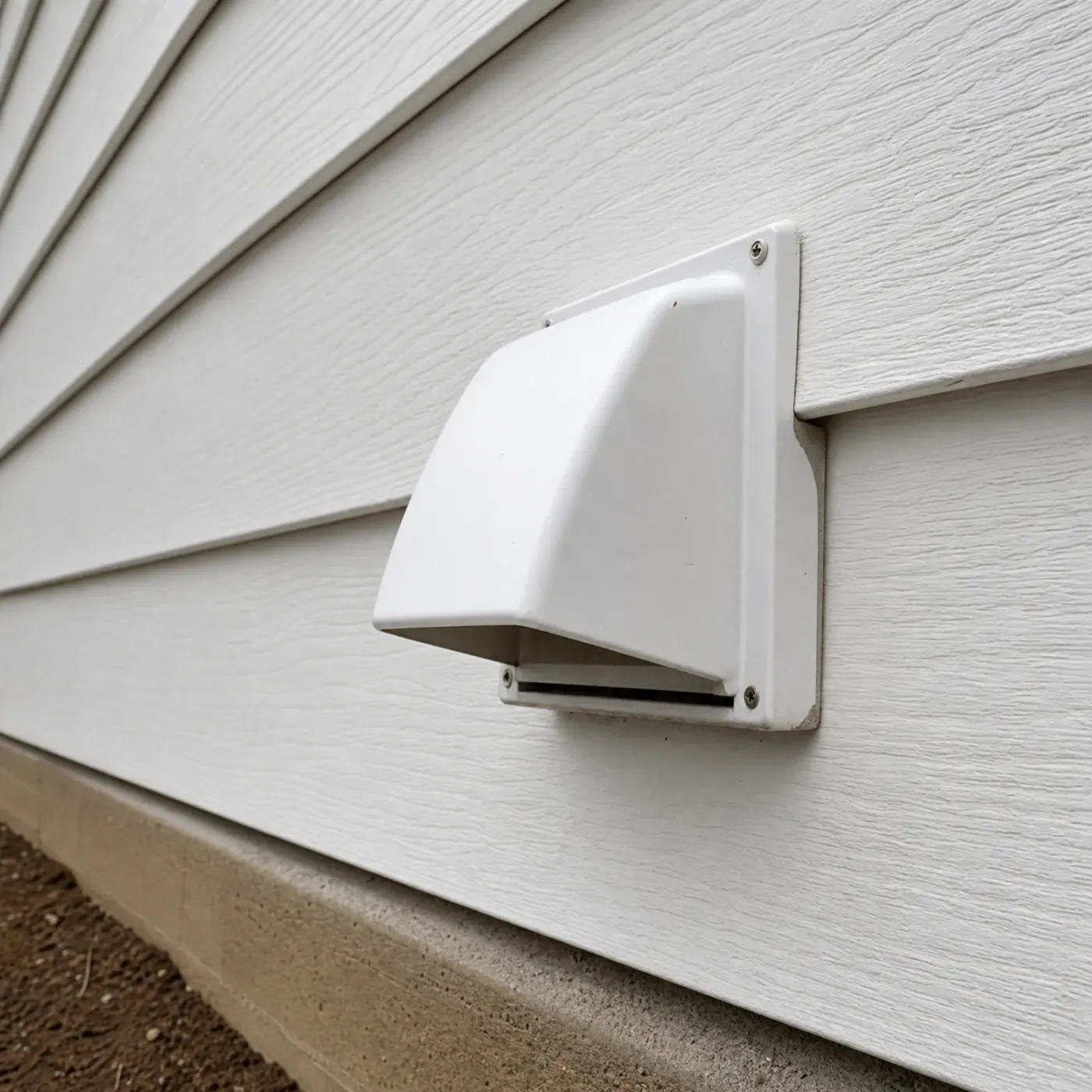
A vent like this moves air the way it should, so lint doesn't have the chance to settle in and build up.
This much lint blocking the hood means the air behind it has nowhere to go but back into the pipe.
1
Lint collects along the vent's bends and straight runs
2
The heating element cycles against a pipe packed with fuel
3
Trapped heat has nowhere to vent but back inside
4
Built-up lint can ignite near the heating element
Before you get your dryer vent cleaningAfter you get your dryer vent cleaning
The Answer, In Plain Terms
Yes, a clogged dryer vent is a real fire risk, and lint built up near the heating element is the cause.
The exhaust path matters more than the trap screen, since lint packs into bends and straight runs over time.
A dryer running two cycles to dry one load is already pushing hot air against a blocked pipe.
Heat that can't escape through the vent works its way back into the laundry room instead.
Alabama's humid summers make a warm laundry room harder to notice as a warning sign.
Clearing the vent gets the airflow back to where the dryer runs one cycle and the heat goes where it should.
A clogged dryer vent is a fire risk, and the cause is lint sitting where the heat is. Every load adds a little more to what's already packed into the bends and the straight runs of the pipe. The trap catches some, never all, and what gets past it collects further down where you can't see it. The heating element cycles on and off against that pipe, load after load, and over time that's lint sitting next to a heat source with no way out. A dryer that needs two cycles to dry one load is already showing you the exhaust isn't moving the way it should. The air has to go somewhere, and if the vent is packed, some of that heat comes back into the laundry room instead of outside. In an Alabama summer, a laundry room that stays warm after the dryer shuts off is easy to write off as normal, since the room was already warm to start. That's exactly how a slow buildup gets missed for months. None of this says your vent is blocked today. It says the risk is real, the warning signs are easy to overlook, and the fix is straightforward. Getting the vent cleared brings the airflow back to where it belongs, one cycle per load, heat going out instead of staying in the house.
Dryer Vent Cleaning
The right pro for this job
Send the form and finding a dryer vent cleaner is handled.