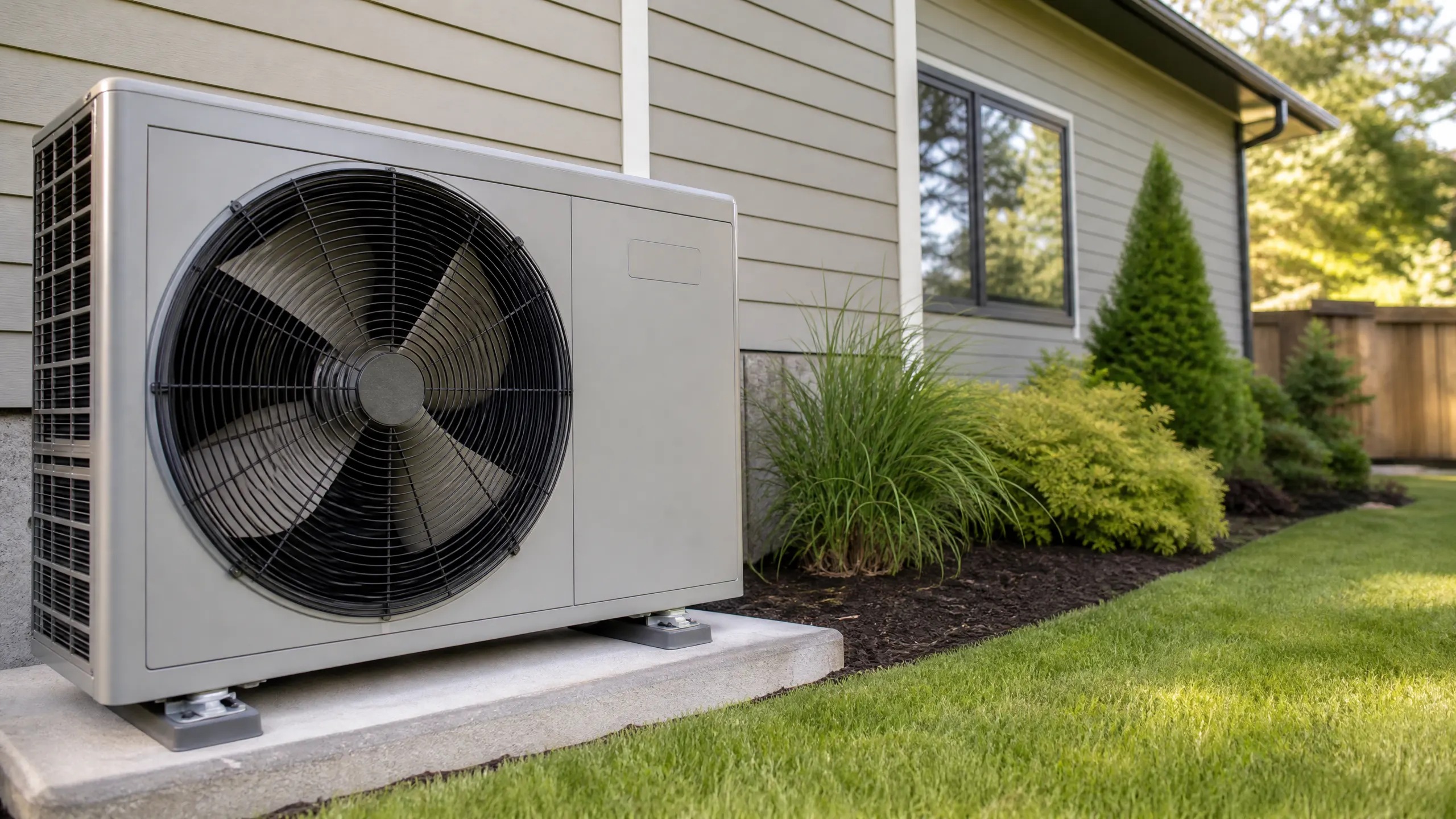
Heat Pump Repair in Auburn, AL
Homes here need heat from November through March and cooling from May through September. If your system quits, tell us what it's doing and a licensed contractor who covers Lee County will get in touch.
Tell us about the job
It takes about a minute.
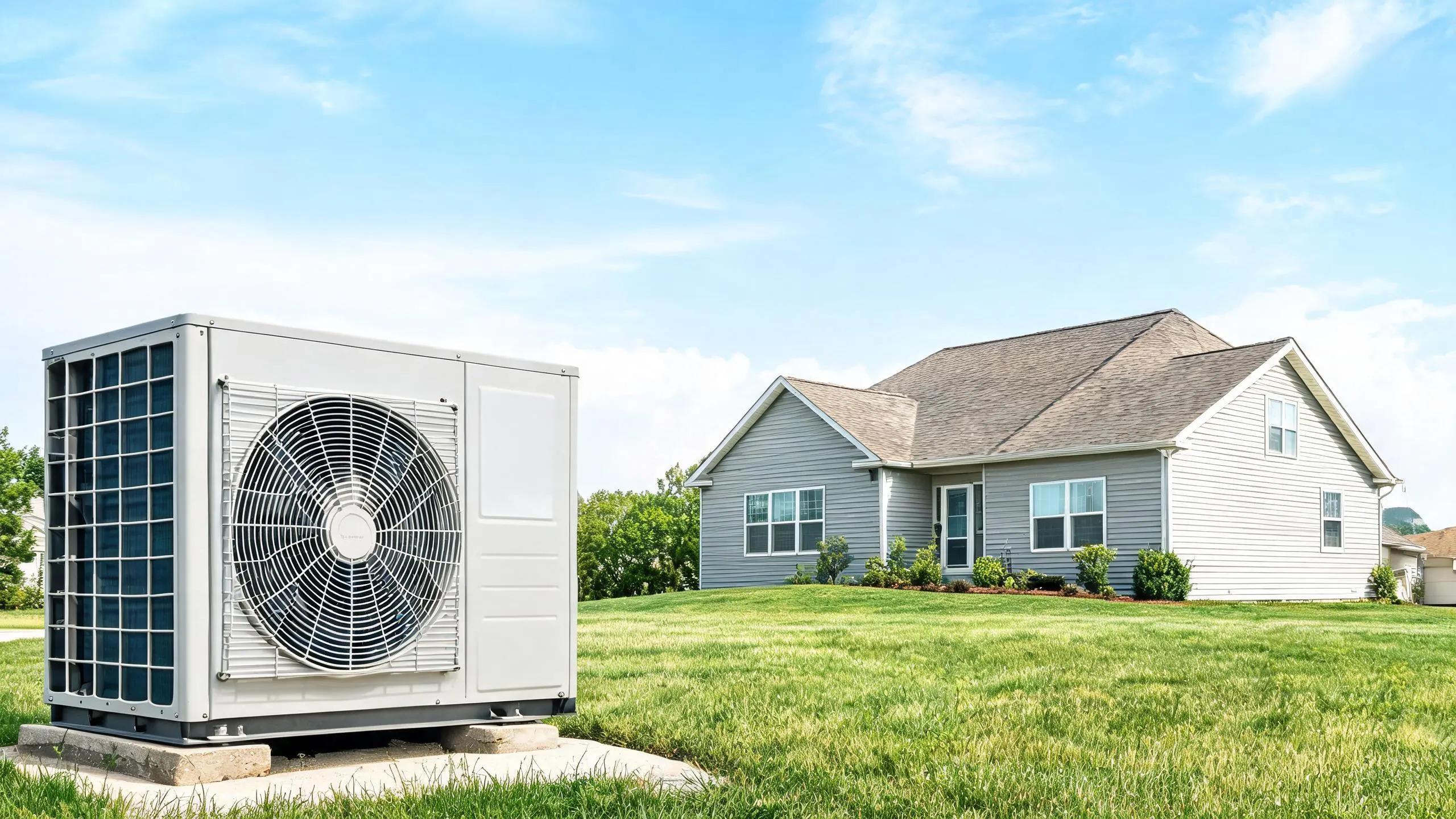
Auburn asks a heat pump to work most of the year
Your heat pump runs ten months out of the year here, cooling through summer afternoons that average 90°F, then switching over to heat nights that average 37°F from December through February. That switch matters. A heat pump has to work harder to pull heat from cold air, and the colder it gets, the harder the system runs to keep up.
Most homes in this area heat with electricity, so the heat pump is not a backup to something else. It is the only thing standing between the house and the cold. That makes power loss a real problem here. Almost one in five Alabama households went at least a full day without power in 2024, and the area has seen 52 damaging wind events over the past ten years. When the power comes back on, most heat pumps restart on their own. If yours does not, that is worth a call.
- 5 months
- November through March, your system heats
- 5 months
- May through September, it cools
- 37°F
- the average winter night it heats against
- 90°F
- the average summer afternoon it cools against
NOAA nClimDiv, 1991–2020 normals
Alabama requires HVAC contractors to hold a state license.
The Alabama Board of Heating, Air Conditioning & Refrigeration Contractors tests contractors before they get a license and keeps a record of who holds one. That license belongs to the contractor, not to this particular repair. It tells you the state has checked this person or business, not that it inspected your heat pump.
A heat pump repair usually means opening the refrigerant side of the system. That work needs EPA Section 608 certification, a federal requirement that applies no matter what state you're in. On this job the state license backs the contractor, and the federal certification backs whoever actually handles the refrigerant.
Source: Alabama Board of Heating, Air Conditioning and Refrigeration Contractors
- Why is my heat pump blowing cold air?
- In heating mode, a heat pump moves warm air through the vents at a lower temperature than a furnace would, so it can feel cool even when it is working right. If the air feels cold rather than just cool, the system may have low refrigerant, a failing reversing valve, or a frozen outdoor coil. Check your thermostat is set to heat and not fan only, since the fan will run and blow room-temperature air if the system itself has shut off. If the air stays cold with the thermostat set correctly, a contractor should check the refrigerant charge and the reversing valve.
- Why is there ice on my heat pump?
- A heat pump builds a light coat of frost during cold weather and clears it on its own through a defrost cycle. Ice that stays or keeps building up points to a problem, often restricted airflow from a dirty filter or blocked coil, low refrigerant, or a defrost control that isn't cycling the way it should. With winter lows here averaging 37°F, the outdoor unit works through a lot of these defrost cycles over the season, so a fault in that system shows up more here than somewhere milder. Turn the system off and let the ice melt rather than chipping at the coil, then have a contractor find out why it isn't defrosting on its own.
- Why is my heat pump running but not cooling?
- If the unit runs but the air isn't cold, the most common causes are a dirty filter cutting off airflow, a frozen indoor coil, or low refrigerant from a leak. A blocked outdoor unit, one with grass, leaves, or debris packed around it, can also keep it from releasing heat properly in cooling mode. On a 90°F afternoon a system already low on refrigerant or short on airflow will struggle the most, since it has the least room for error. Check the filter first since that's the one thing you can rule out yourself, and if the air still isn't cold have a contractor check the refrigerant charge and the coils.