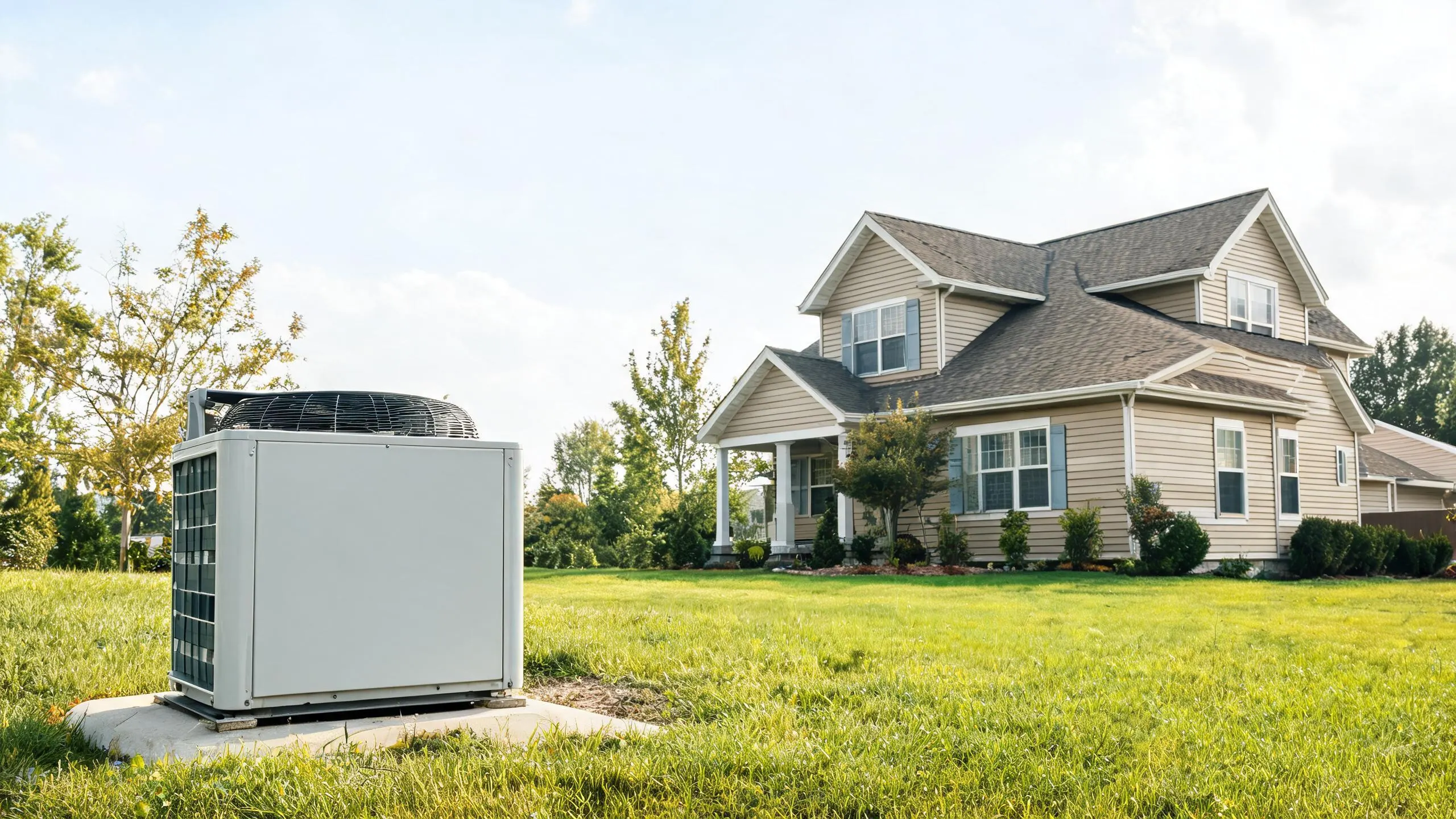
Heat Pump Installation in Tuscaloosa, AL
A new system here will heat from November through March and cool from May through September every year. Tell us about the house, and a licensed contractor who covers Tuscaloosa County will get in touch.
Tell us about the job
It takes about a minute.
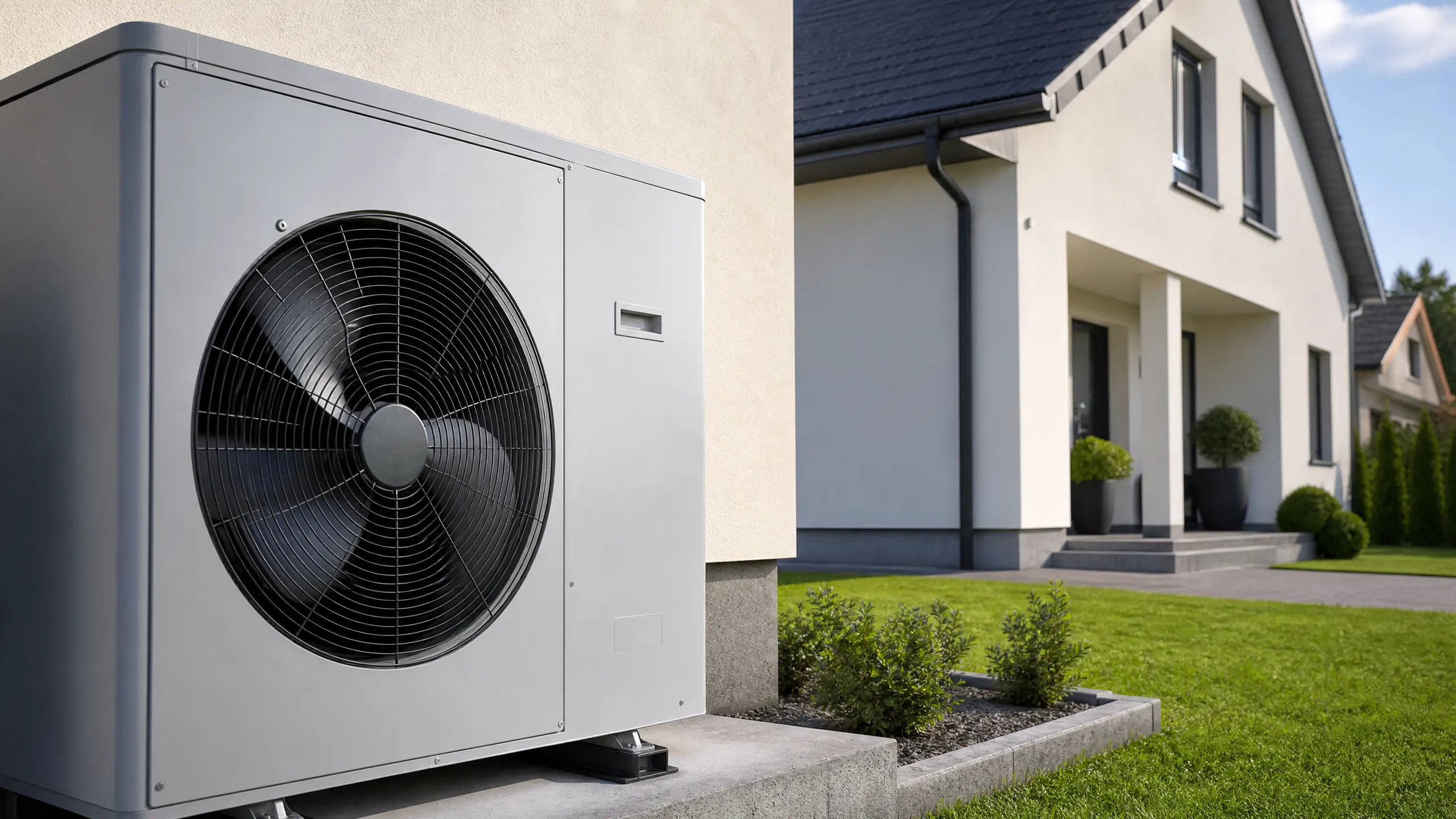
Ten months of work a year out of your heat pump
Tuscaloosa asks a heat pump to run almost year round. Heat from November through March, cooling from May through September. Only two months of the year it gets to rest.
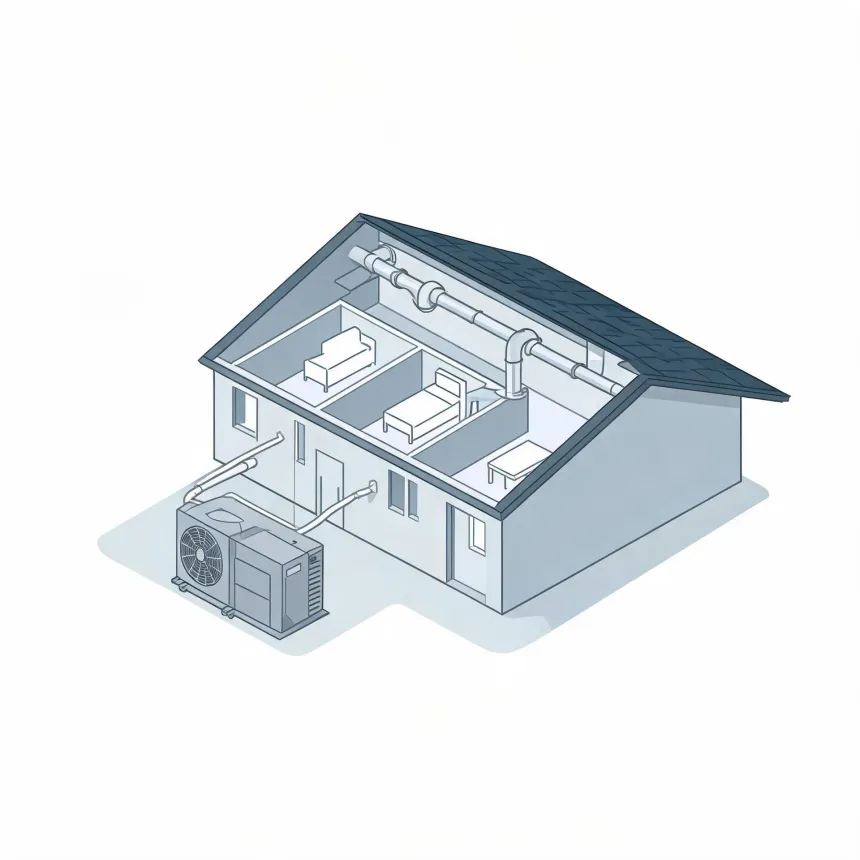
Winter nights average 36°F here, mild enough that a heat pump can carry the heat load without much help. Summer afternoons average 90°F, and that side of the job is just as steady. Most homes here already heat with electricity, so the equipment has to handle both jobs well, not just one. Any split system installed new has to meet 14.3 SEER2 for cooling and 7.5 HSPF2 for heating, the federal floor for efficiency now.
- 5 months
- November through March, your system heats
- 5 months
- May through September, it cools
- 36°F
- the average winter night it heats against
- 90°F
- the average summer afternoon it cools against
NOAA nClimDiv, 1991–2020 normals
Alabama requires HVAC contractors to hold a state license.
The state board tests contractors before they get that license, and it keeps a record of who holds one. The license belongs to the contractor, not to any single job, so it tells you this person or company has already been checked once, before they ever got to your house.
For a heat pump installation, that license covers who is allowed to do the work, but the work itself still gets checked separately. Most cities and counties in Alabama require a permit for a heat pump installation, and an inspection once it is done. That inspection is what confirms the wiring, the refrigerant lines and the unit itself were put in correctly, apart from whatever the state license already says about the contractor.
Source: Alabama Board of Heating, Air Conditioning and Refrigeration Contractors
- Is a heat pump better than a furnace?
- A heat pump does both heating and cooling, so it can replace a furnace and an air conditioner with one system. A furnace only heats, and it burns gas or uses electric resistance to do it, which usually costs more to run than a heat pump moving heat instead of making it. Homes here need heat from November through March and cooling from May through September, so a system that does both is working nearly all year. Whether it's the better choice for your house depends on your ductwork and what's already installed, and a contractor can walk through that with you.
- What's the difference between a heat pump and an air conditioner?
- An air conditioner only cools. A heat pump cools the same way in summer, but it can also run in reverse to heat the house in winter. Inside, the two look almost identical, with an outdoor unit and a refrigerant cycle, but the heat pump has a reversing valve that lets it pull heat from outside air and bring it indoors. If you already have central air, the outdoor unit sits in the same kind of spot a heat pump would.
- Does a heat pump work in cold weather?
- Yes. A heat pump pulls heat from outside air even when that air is cold, because there's still heat in air well below freezing. Winter nights here average 36°F, well above the temperatures where a heat pump starts losing real capacity. A contractor can size the system and any backup heat to fit the house.