Heat Pump Installation in Cullman, AL
A new system here will heat from October through April and cool from May through September every year. Tell us about the house, and a licensed contractor who covers Cullman County will get in touch.
Tell us about the job
It takes about a minute.
A heat pump in Cullman works all year
Cullman needs heat or cooling every month of the year. Winter nights average 33°F from December through February, and homes here need heat from October through April, seven months a year. Summer afternoons average 88°F, with cooling running May through September, five months a year. The same heat pump carries both jobs, switching direction as the seasons turn.
Most homes in Cullman heat with electricity, so the heat pump is doing the main work, not backing up a furnace. A split-system heat pump installed new has to meet federal minimums of 14.3 SEER2 for cooling and 7.5 HSPF2 for heating. With the unit running nearly every month of the year, sizing it right for the house matters.
- 7 months
- October through April, your system heats
- 5 months
- May through September, it cools
- 33°F
- the average winter night it heats against
- 88°F
- the average summer afternoon it cools against
NOAA nClimDiv, 1991–2020 normals
Alabama requires HVAC contractors to hold a state license.
The state license comes from the Alabama Board of Heating, Air Conditioning & Refrigeration Contractors. It covers the contractor, not the individual job, so it tells you this person has been tested and is on record with the state, not that this particular installation was checked by anyone there.
That check comes from your local building office. A heat pump installation needs a permit in most cities and counties, and an inspection once the work is done. The inspection is what confirms the unit going into your home was put in correctly, not the license itself.
Source: Alabama Board of Heating, Air Conditioning and Refrigeration Contractors
- Is a heat pump better than a furnace?
- It depends on what you're comparing it to and what you value. A heat pump moves heat from the outside air into your home instead of burning fuel to create it, so it runs on electricity alone and also cools your home in summer, which a furnace can't do. Furnaces burn gas or propane and tend to put out warmer air at the vent, which some people prefer on the coldest nights. With winter lows here averaging 33°F, a modern heat pump can still keep up, but a contractor can walk you through which fits your house.
- What's the difference between a heat pump and an air conditioner?
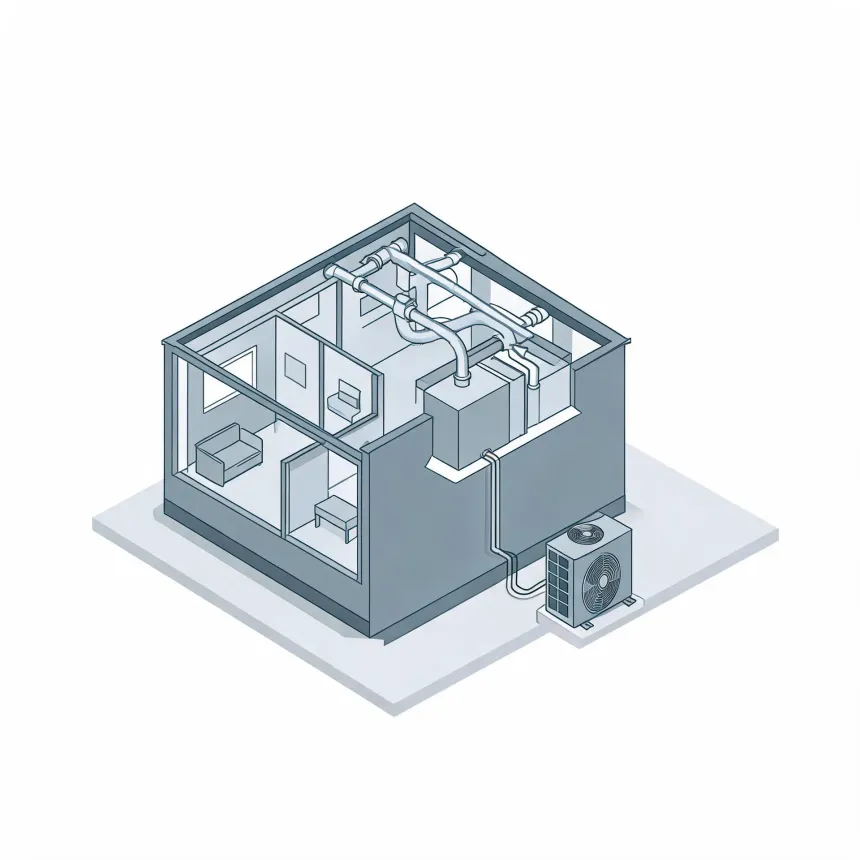
- An air conditioner only cools your home. A heat pump does the same job in summer, but it can also run in reverse to heat your home in winter, pulling heat from outside air and moving it inside. Both use a compressor and an outdoor coil, and both use a refrigerant cycle, but the heat pump has a reversing valve that lets it switch directions. That's what lets one system cover both your summer and winter needs, which matters here since homes need heat or cooling all 12 months of the year.
- Does a heat pump work in cold weather?
- Yes, a heat pump keeps working in cold weather, though how well depends on the model and how cold it gets. Newer heat pumps are built to pull heat from outside air even when temperatures drop well below freezing. Winter nights here average 33°F, which is well within the range a properly sized heat pump handles without trouble. A contractor can confirm the right unit for the coldest nights your home actually sees.