









Dryer taking too long to dry in Birmingham, AL

Get matched with a Jefferson County pro who cleans dryer vents.

Get matched

A dryer that runs a long time, or takes two cycles to get clothes dry, is almost always telling you the vent is clogged somewhere between the drum and the outside wall. Lint builds up along the duct run, and once it narrows the path enough, the hot moist air has nowhere to go, so the dryer keeps heating and tumbling without ever finishing the job. In Birmingham's humidity, especially through the long muggy stretch from spring into fall, clothes are already carrying more moisture going in, which makes a partly blocked vent show up faster as longer dry times. Left alone, the dryer runs hotter and longer to make up for the poor airflow, which wears on the heating element and the drum bearings over time. A clear vent moves that same humid air straight outside in one pass. If your drying times have crept up over the last few months, or a load that used to take forty minutes now takes well over an hour, the vent is the place to look first.

Why does your dryer vent clog faster than it should?

  • 2.4 people per household on average

    With 2.4 people in the average household here, there's a load of laundry running often, and every load pushes more lint through the duct toward that clog.

  • Half the homes here were built by 1975

    Half the homes in Jefferson County were built in 1975 or earlier, and older duct runs are more likely to be long or bent in ways that trap lint instead of carrying it outside.

  • Power here costs 17.78 cents per kilowatt-hour

    At 17.78 cents per kilowatt-hour, a dryer straining against a clogged vent to finish a load costs you more here than it would somewhere with cheaper power.

ACS 2020-2024 · EIA-861 2025

A dryer that's just slow to dry is annoying. A dryer that's slow to dry and running hot to the touch, or shutting off mid-cycle, is a vent so blocked that the heat has nowhere to go.

Either way the fix is the same duct cleared out, but the second one is worth getting to sooner. A dryer that keeps overheating is hard on the heating element and the thermal fuse, and those don't fix themselves.

An older man with gray hair and a beard, wearing a dark snow-dusted jacket and scarf, stands smiling in a warmly lit interior hallway with a lit table lamp, a vase of dried branches, and a framed picture in the background.
An older man in a dark snow-flecked overcoat and scarf stands smiling in a warmly lit home entryway, with a glass-paned door showing darkness outside and a lamp-lit room visible through a doorway behind him.
An older man with grey hair and a beard, wearing a dark coat dusted with snow, stands in a dimly lit entryway with a ceiling lamp, a side table with two shaded lamps, and a lit fireplace visible in a room beyond.
An older man with gray hair and a beard, wearing a dark coat dusted with snow, stands smiling in a doorway of a warmly lit home with a sofa, lamp and window visible behind him.

How the Vent Actually Works

  • A dryer vent runs from the back of the machine through the wall or floor joists to a hood outside, and every foot of that run is a place lint can catch.
  • Rigid metal duct moves air better than flexible foil or plastic duct, and bends in the run slow the airflow down at each turn.
  • The outside hood has a flap that should swing open when the dryer runs and fall shut when it stops, keeping pests and weather out.
  • A clean vent carries moist heated air out in under a minute; a clogged one lets that air sit in the duct and work back into the drum.
  • Lint builds up heaviest at the elbows and at the hood itself, not evenly along the straight runs.
  • A dryer fighting a blocked vent draws the same power but moves far less air, so the heating element or burner runs longer to reach the set temperature.

The duct behind your dryer is a straight job on paper: get hot wet air from the drum to outside. In practice it runs through studs or joists, turns corners, and ends at a hood on the siding or roof. Every turn is a spot lint can hang up on, and most runs have at least one or two. If yours is foil or plastic duct instead of rigid metal pipe, air moves through it slower to begin with, so any lint that catches has an easier time building into a real clog. The hood at the end matters too. It has a flap that's supposed to open when the dryer's running and close when it's not, and that flap is where a lot of lint ends up stuck, along with whatever collects at the elbows just inside the wall. Airflow is what actually dries clothes, not just heat, and a clear vent gets that moist air outside in under a minute. Once lint narrows the path, the air slows down, stays in the duct longer, and some of it works its way back into the drum instead of leaving the house. The dryer's heating element or burner doesn't know the vent is blocked. It just keeps running to try to hit the set temperature, pulling the same power the whole time while moving a fraction of the air it should.

A woman wrapped in a chunky knit blanket sits in an armchair with an open book on her lap, beside a lit table lamp and a window with frost and snow outside.
A smiling older woman with gray shoulder-length hair in a cream cable-knit turtleneck sweater stands behind a wooden board holding a round loaf of bread, in a warmly lit kitchen with a dark window and shelves behind her.

The right pro for this job

The pro who gets in touch is licensed in Alabama and works in Jefferson County.

It costs nothing to send, and you don't have to hire anyone.

A metal hooded exterior vent with a screened opening mounted on gray horizontal lap siding, with a plain white wall at right.

What a clear vent feels like

Open the lint trap, run the dryer a minute, and hold your hand at the outside hood. You should feel strong, steady airflow and warm air pushing out hard enough to move a light curtain or leaves nearby. Weak airflow, or none at all, means the duct is blocked somewhere along its run and the dryer is fighting to push air through it. That fight is what's stretching your drying time.

A white plastic hooded dryer vent cover screwed to light gray horizontal lap siding at an exterior wall corner.

Lint you don't see

The lint trap only catches what's near the surface of each load. Finer lint rides the airflow past the trap and settles further down the duct, especially at bends and joints where the air slows down. Over time that buildup narrows the path until the dryer is pushing hot, wet air through what amounts to a straw. A trap that looks clean after every load doesn't mean the duct behind it is.

Is your dryer running longer than it used to?

You set it for a normal cycle and the clothes come out damp, so you run it again. The top of the dryer feels warmer than it should. The laundry room picks up a faint hot, dusty smell partway through the load, and towels take longer than they ever have. Some loads come out fine and others don't, with no real pattern you can point to. None of this means the machine is wearing out. It means less air is getting through the vent than the dryer needs, so the heat and moisture stay in the drum longer. Left alone, that trapped heat is what makes a clogged vent a fire risk, not just a slow one.

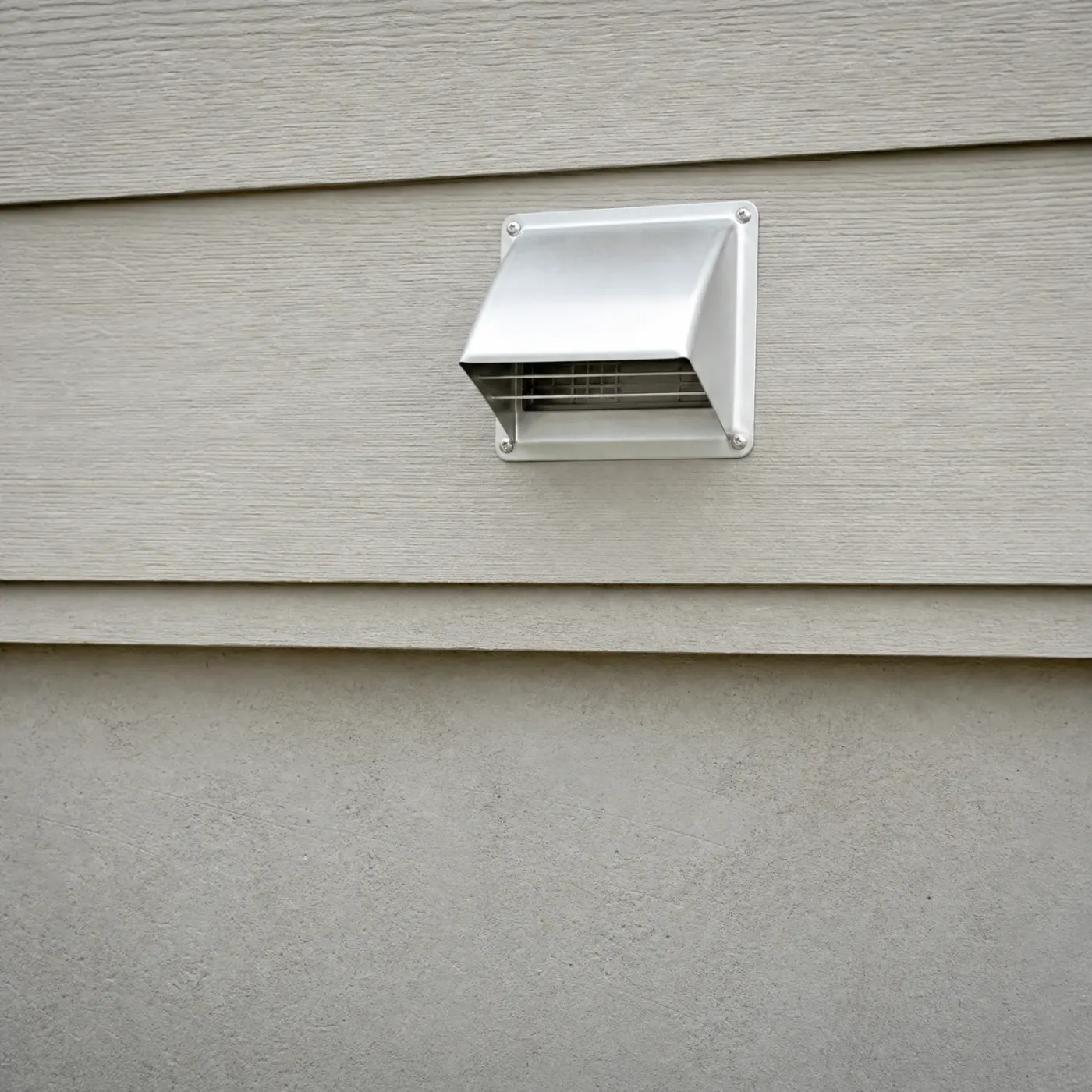
A white hooded dryer vent with a screened opening mounted on beige horizontal lap siding.

Clear and flowing

This is what a working vent looks like from outside. The louvers open when the dryer runs and close when it stops, and the screen behind them keeps birds and rodents out without blocking the exhaust. Air moves freely through it every load.
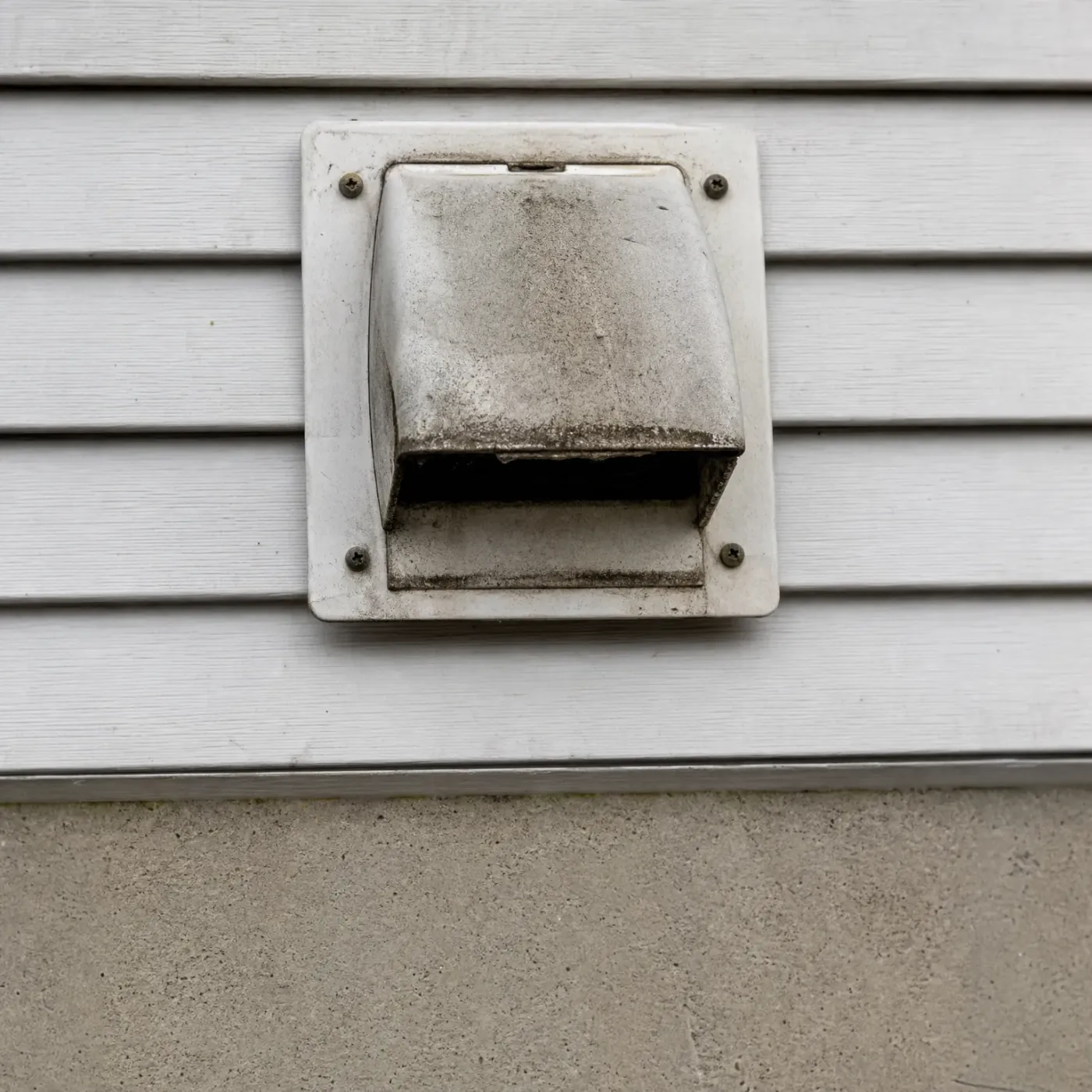

A dirt-streaked white plastic dryer vent hood screwed to light gray horizontal lap siding above a concrete foundation wall.

Clogged and failing

Lint has built up around the flap and across the hood itself, and that buildup outside usually means more of it packed along the duct inside. The flap can't open all the way anymore, so the moist air your dryer pushes out has nowhere to go but back.

A metal dryer vent hood mounted on beige horizontal lap siding, with gray lint clogging its open flap, above a lighter textured foundation wall.
Before you get your dryer vent cleaning
A white hooded exterior dryer vent with a mesh screen, screwed to light gray horizontal lap siding above a concrete foundation.
After you get your dryer vent cleaning

Clear The Vent Or Keep Running Double

Clean the vent now

  • A tech clears the duct from the back of the dryer to the hood outside, so the full run is open again.
  • Dry times drop back to one cycle, since the air and heat have a clear path out.
  • The motor and heating element stop working as hard, which matters since a blocked vent makes both run hotter than they're built for.
  • Lint stops piling up behind walls or in joists where you can't see it or reach it yourself.
  • A local contractor who clears vents all year knows which bends and transitions tend to trap lint worst in homes around here.
  • You get this handled before the duct narrows further or the dryer starts shutting off mid-cycle.

Keep running it as is

  • Every load still takes two cycles, so the dryer runs twice as long to finish the same laundry.
  • Power here already costs more than a lot of places, and a dryer running double time adds that up load after load.
  • The motor and heating element keep working against a blocked path, which wears on both over time.
  • A vent that's clogged enough to slow drying can clog further, and a fully blocked vent traps heat with nowhere to go.
  • The lint sitting in the duct now stays there and keeps building with every load you run.
  • Nothing changes until the duct gets cleared, so the same damp-clothes, run-it-again cycle repeats tomorrow.
  1. Lint builds up inside the duct wall after wall

  2. Airflow narrows and hot moist air stops escaping

  3. Dryer reheats the same damp air each cycle

  4. Cycle ends with clothes still damp

2.4 people per household on average

At 2.4 people, most houses here are doing laundry most days, not once a week. That steady pace of loads is what builds lint in the duct in the first place, and it's why the clog comes back faster than you'd expect once the vent's been cleared.

ACS 2020-2024

A woman in a cream sweater and jeans stands in an open black front door of a white stucco house, viewed over the shoulder of a man in a navy jacket in the foreground.

A slow-drying dryer is a vent problem

A dryer that takes two cycles to finish, runs hot, or smells dusty partway through is telling you the same thing. The vent is blocked somewhere between the drum and the outside wall, and the dryer is reheating damp air it can't push out. Clearing that path is what brings dry times back down to one cycle and stops the motor and heating element from working harder than they should.

Jefferson County homes vary in how that duct is run, rigid metal or flexible, long or short, with bends that slow airflow more in some houses than others. A local contractor who clears vents in this area knows what to check first and where lint tends to pack in on runs like yours. You'll be matched with one contractor, licensed and working near you, who can take a look at your setup and reach out to get it sorted.

Interior corner of a living room with a beige upholstered armchair holding a textured pillow and throw, a eucalyptus arrangement in a ceramic vase on a wooden table in the foreground, a blurred glass-front cabinet behind, and a potted plant on a sunlit window sill.
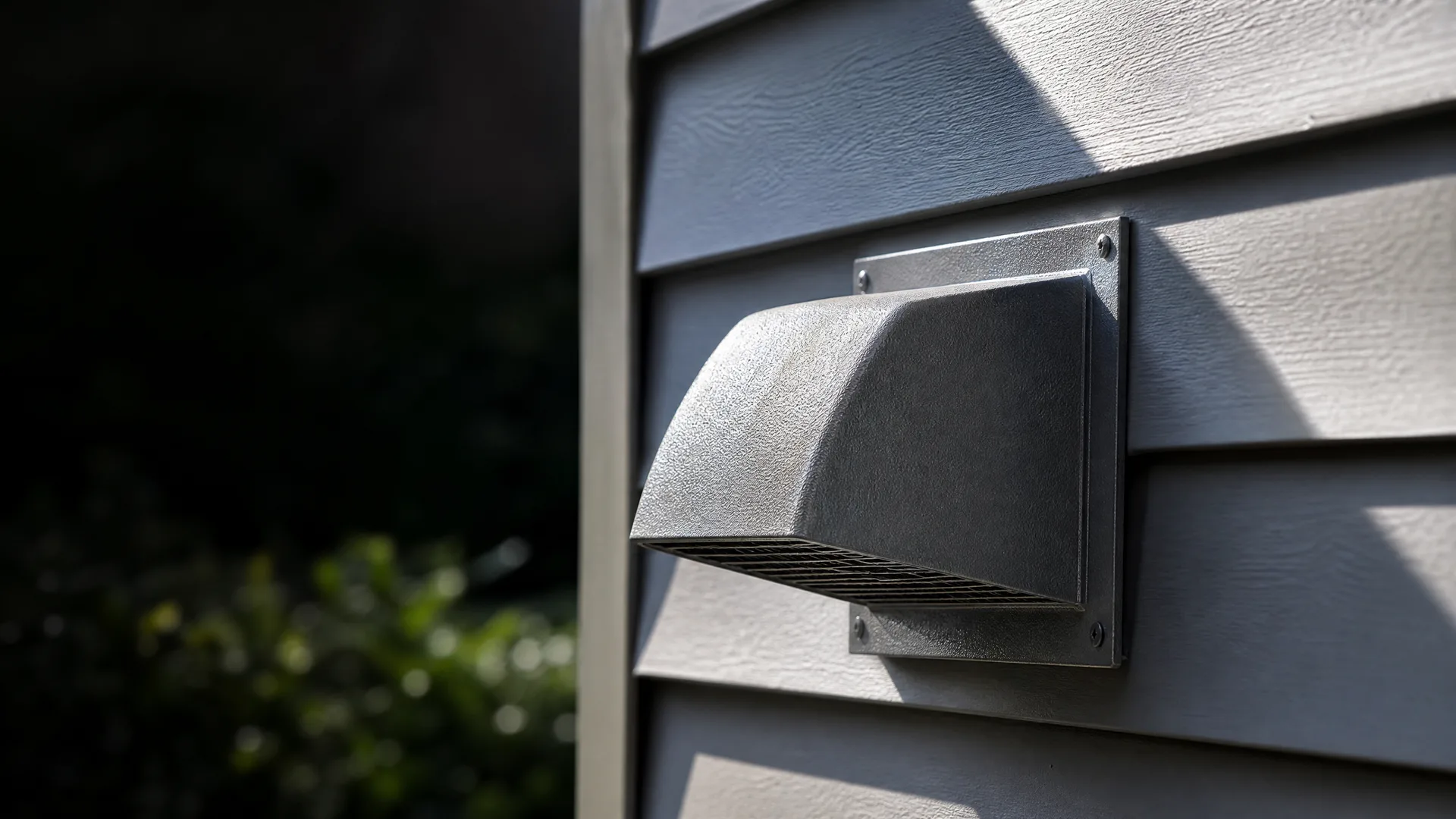
A metal hooded wall vent with a louvered opening mounted on gray horizontal lap siding, with green shrubbery blurred in the dark background.

Matched to your dryer vent job

Duct and vent cleaningJefferson County, AL
Step 1 of 3

What kind of equipment?