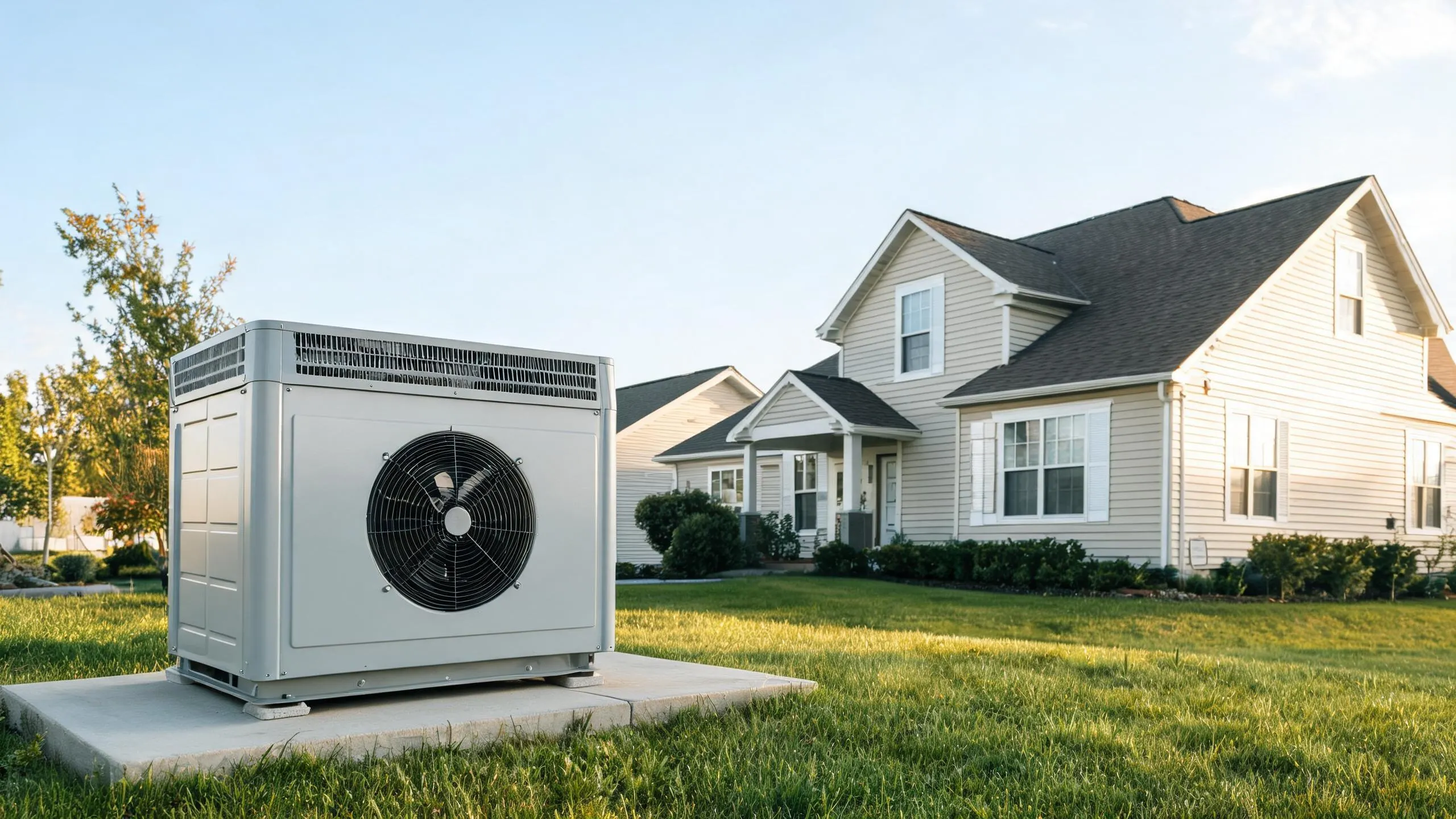
Heat Pump Repair in Talladega, AL
Homes here need heat from November through March and cooling from May through September. If your system quits, tell us what it's doing and a licensed contractor who covers Talladega County will get in touch.
Tell us about the job
It takes about a minute.
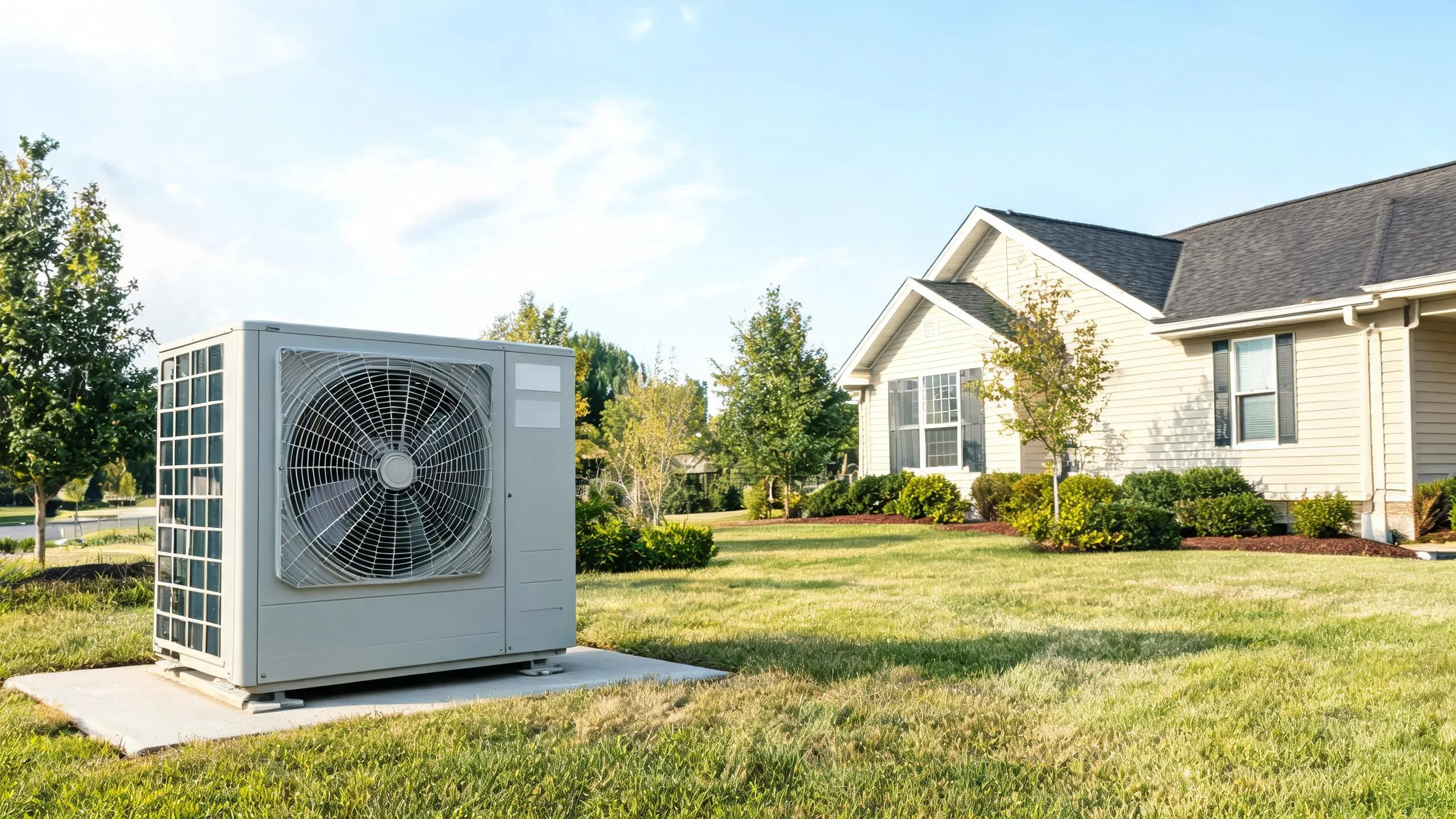
Talladega asks a lot of your heat pump, in both directions
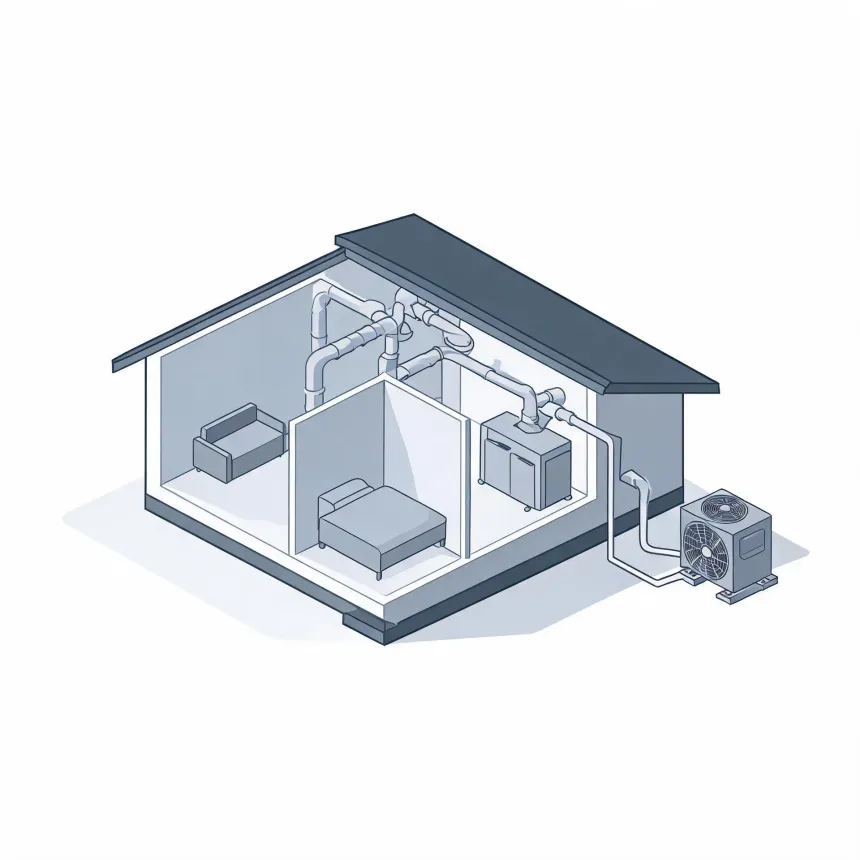
Your heat pump runs ten months of the year here. It heats from November through March and cools from May through September, with barely a break between one job and the other. That kind of duty cycle wears on the compressor and the reversing valve, the parts that switch the system between heating and cooling.
Winter nights averaging 35°F mean the system leans on its defrost cycle often, and a stuck defrost control can leave the outdoor coil iced over. Summer afternoons near 90°F push the compressor hard on the cooling side. And with 51 damaging wind events recorded here over the past ten years, the outdoor unit takes a beating from debris and power interruptions that most heat pumps recover from on their own once power is back. If yours doesn't turn back on, or it's blowing air that isn't the temperature it should be, that's usually where to start looking.
- 5 months
- November through March, your system heats
- 5 months
- May through September, it cools
- 35°F
- the average winter night it heats against
- 90°F
- the average summer afternoon it cools against
NOAA nClimDiv, 1991–2020 normals
Alabama requires HVAC contractors to hold a state license.
The Alabama Board of Heating, Air Conditioning & Refrigeration Contractors issues that license, and it tested the contractor before granting it. The license belongs to the contractor, not to this particular repair, so it tells you the person or company was vetted, not that this specific job was inspected or signed off by anyone.
A heat pump repair usually means opening the refrigerant side of the system, and that part of the job falls under a separate federal rule. Any technician who touches the refrigerant lines has to hold EPA Section 608 certification, no matter what state they work in. In Alabama, the state license is what stands behind the contractor's work, and the federal certification is what stands behind this specific repair.
Source: Alabama Board of Heating, Air Conditioning and Refrigeration Contractors
- Why is my heat pump blowing cold air?
- In heating mode, a heat pump puts out air that feels cool next to your skin even when it is working right, because the air leaving the vents is warmer than the room but still well below body temperature. If the air is truly cold and the house is not warming up, check that the thermostat is set to heat and not fan only. If it is set right and you still get no warmth, the system may have lost refrigerant charge or the reversing valve that switches it between heating and cooling has failed. Either one needs a licensed contractor to diagnose, since both call for gauges and training to fix.
- Why is there ice on my heat pump?
- A heat pump forms some frost on its outdoor coil during cold weather, and it normally melts that off on its own by briefly switching into a defrost cycle a few times a day. On nights near freezing, which happens often here from December through February, that frost can build up faster than normal if airflow across the coil is blocked. Check that nothing is stacked against the outdoor unit and that the area around it is clear. If the coil is coated in solid ice rather than a light frost, or the ice does not clear within an hour or two, the defrost control or a fan motor may have failed, and that needs a contractor to look at.
- Why is my heat pump running but not cooling?
- If the outdoor unit and indoor blower are both running but the air coming out is not cold, the most common cause is low refrigerant from a leak somewhere in the line set or coil. A dirty air filter can also choke off airflow badly enough that the house never cools even though the system runs nonstop, so check the filter first since that is something you can fix yourself. On afternoons near 90°F, a system that is low on refrigerant or short on airflow falls further behind and may run for hours without the house cooling down. A licensed contractor can pressure test the system and find where it is losing refrigerant.