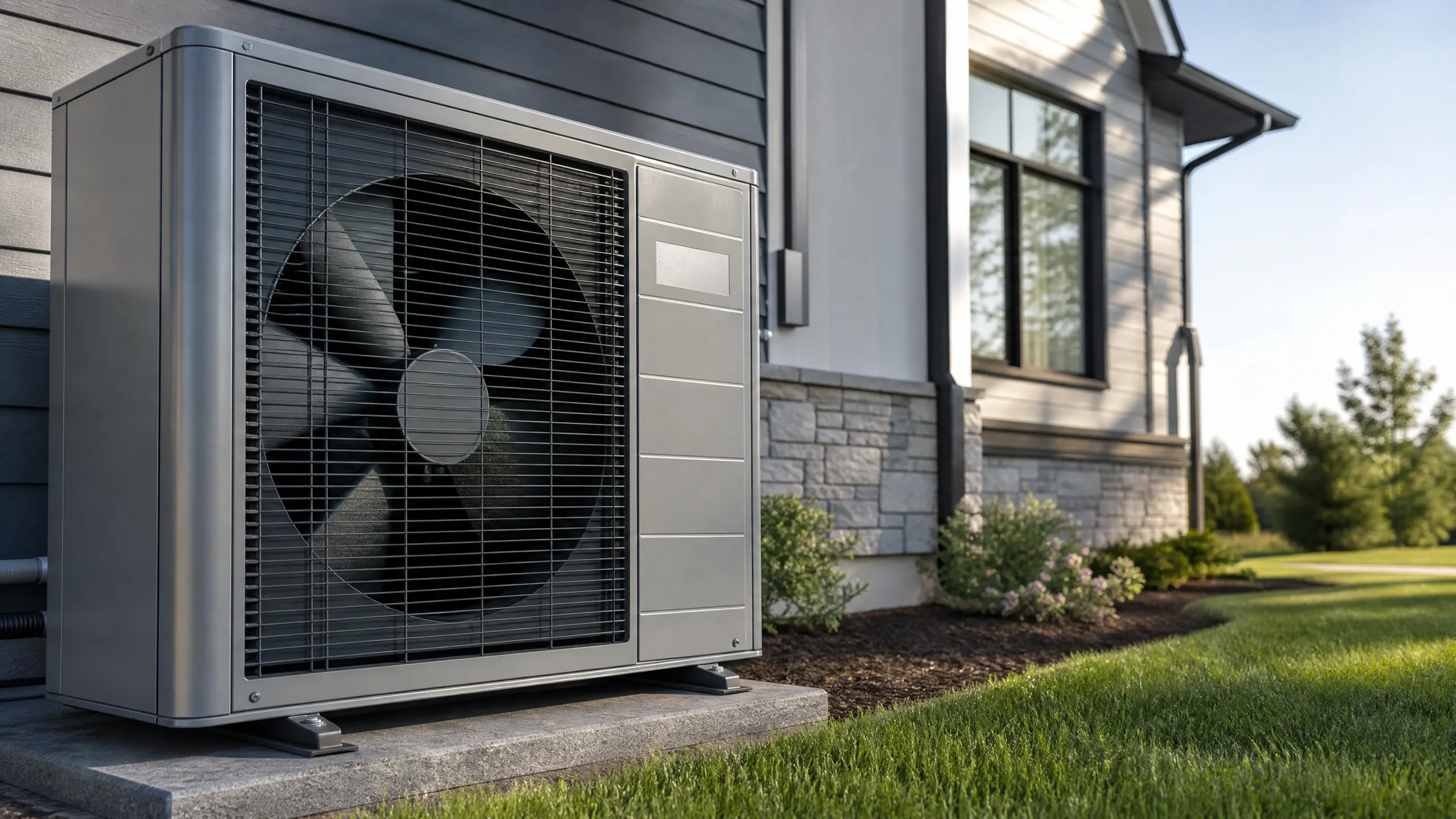
Heat Pump Repair in Dothan, AL
Homes here need heat from November through March and cooling from May through October. If your system quits, tell us what it's doing and a licensed contractor who covers Houston County will get in touch.
Tell us about the job
It takes about a minute.
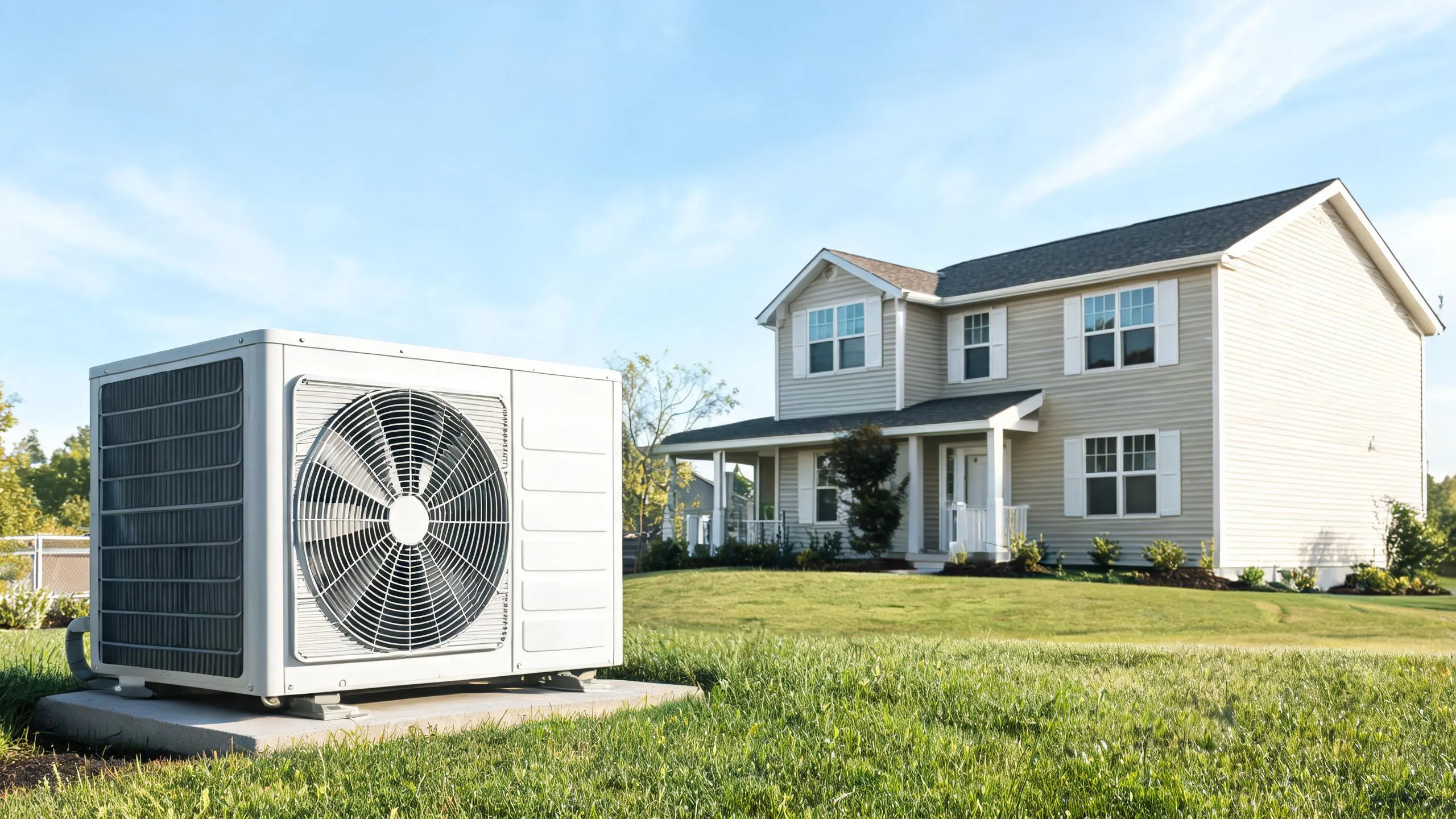
Your heat pump barely gets a break in Dothan
Eleven months a year, your heat pump is either heating the house or cooling it. Summer afternoons average 91°F, so it runs long hours all through the day from May to October. Then it switches over and does the same job in reverse from November through March, working through nights that average 41°F.
That kind of year-round load wears on the compressor and the reversing valve, the parts that carry the heaviest work no matter which mode the system is in. Almost all the homes here run on electric heat, so when the heat pump falls behind or stops, there is no backup keeping the house warm. Storms add another kind of stress. Nearly one in five Alabama households went at least 24 hours without power in 2024, and a hard shutdown like that takes a toll on the system separate from the heat and cold it runs against every day.
- 5 months
- November through March, your system heats
- 6 months
- May through October, it cools
- 41°F
- the average winter night it heats against
- 91°F
- the average summer afternoon it cools against
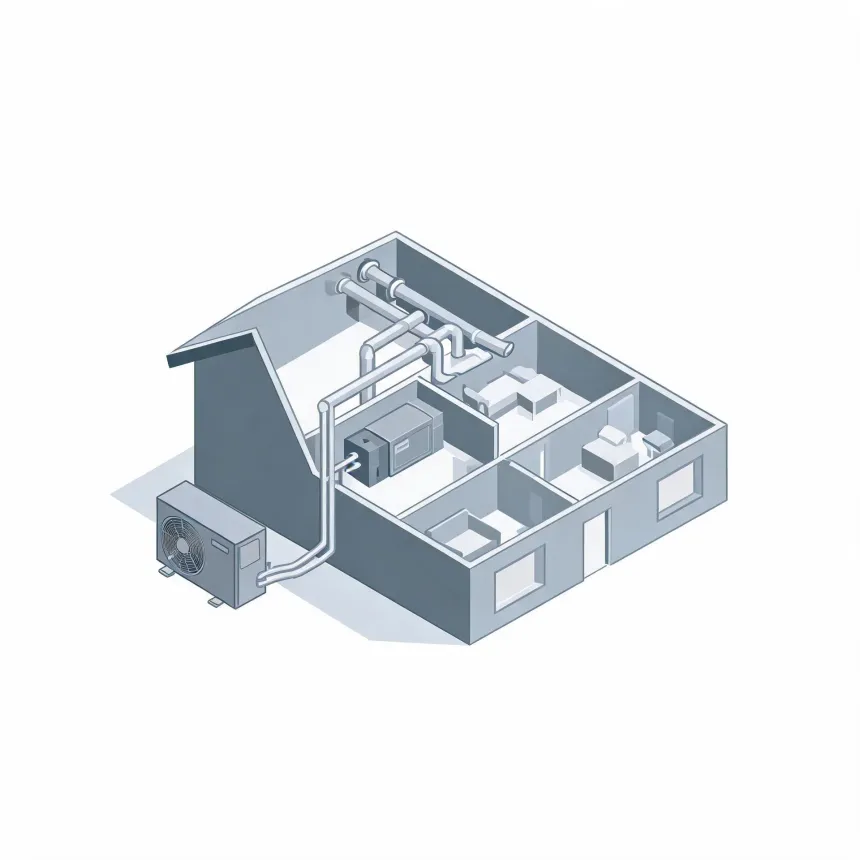
NOAA nClimDiv, 1991–2020 normals
Alabama requires HVAC contractors to hold a state license.
The state board tests and keeps a record of the contractor, not of each visit to a house. So a licensed contractor in Alabama has already shown the board they know the trade, and the license stays tied to their name and business, not to this one repair.
A heat pump repair usually means someone has to open the refrigerant side of the system, and for that, federal law requires EPA Section 608 certification no matter what state the work is done in. That certification is separate from the Alabama license. The state license says the board has vetted the contractor. The federal certification says the technician handling the refrigerant has been trained and tested to do that specific part of the job safely.
Source: Alabama Board of Heating, Air Conditioning and Refrigeration Contractors
- Why is my heat pump blowing cold air?
- In heating mode, a heat pump puts out air that feels cool next to your skin even when it is working right, because the air leaving the vents is warmer than the room but still well below body temperature. If the air is truly cold, with no warmth to it at all, check that the thermostat is set to heat and not fan only. A dirty air filter can also block airflow enough that the coil can't transfer heat properly. If it still blows cold after that, the system may be low on refrigerant or stuck in defrost, and a contractor will need to check it.
- Why is there ice on my heat pump?
- Some frost on the outdoor unit during cold weather is normal, and the system should clear it on its own through a defrost cycle every so often. Winter nights here average 41°F, cold enough for this to happen regularly. If the ice is heavy, covers the whole unit, or never seems to go away, something is keeping it from defrosting, often a failed defrost control, a bad sensor, or low refrigerant. A unit that stays iced over will lose heating capacity, so it needs a contractor to look at it rather than waiting it out.
- Why is my heat pump running but not cooling?
- If the outdoor unit and indoor fan are both running but the air coming out isn't cold, start with the filter. A clogged filter starves the coil of airflow and the whole system loses its ability to cool the air. Check that the outdoor unit isn't blocked by leaves, grass, or debris, since it needs open airflow to release heat. If the filter and outdoor unit are clear and it's still not cooling on a 91°F afternoon, the system is likely low on refrigerant or has a failing part, and a contractor will need to diagnose it.